
How to Offer Customer Financing as a Contractor (2026 Guide)
By SubcontractorHub Editorial Team·Published June 2026 · Updated September 2026

Quick Answer
To offer customer financing as a contractor, partner with a lending platform that approves homeowners in minutes, present financing as a monthly payment during your sales pitch, and get paid the project amount minus a dealer fee — the lender carries the credit risk, not you. Contractors who offer financing close more jobs at larger ticket sizes. SubcontractorHub's Finance-It tools and GoodLeap integration let reps offer financing right from the proposal. Book a demo to see it.
The single biggest reason homeowners walk away from a quote isn't that they don't want the work — it's sticker shock. A $14,000 HVAC system or a $28,000 roof feels impossible as one lump sum, but $199 a month feels manageable. Customer financing turns that conversation around. This guide walks through why to offer it, how it actually works, how to choose a partner, what dealer fees cost, the compliance basics, and how to weave financing into your sales process so it lifts close rates instead of slowing you down.
Why Offer Customer Financing?
Financing isn't just a convenience — it's one of the highest-leverage moves a contractor can make on revenue:
- Bigger tickets: When the decision is a monthly payment instead of a lump sum, homeowners say yes to better equipment, full-system replacements, and add-ons they'd otherwise cut.
- Higher close rates: Offering financing removes the “I need to think about it” objection that's really about cash flow.
- Fewer price-only losses: You compete on value and payment, not just the lowest bid.
- Faster cash: You get funded for the full project amount while the homeowner pays the lender over time.

Framing the quote as an affordable monthly payment — not a lump sum — is the core of offering customer financing as a contractor.
How Contractor Financing Works
The mechanics are simpler than most contractors expect:
- You partner with a lender or financing platform and get set up as a participating contractor.
- The homeowner applies — usually a soft credit check that returns an approval and monthly payment options in minutes from a phone or tablet.
- The homeowner picks a plan and signs the loan documents with the lender.
- You complete the work and the lender funds you the project amount, minus the dealer fee, often within a few business days of completion or at agreed milestones.
The lender — not you — carries the credit risk and collects the monthly payments.
Choosing a Financing Partner
Not all financing programs are equal. Evaluate partners on:
- Approval rates & credit tiers: A good partner approves a wide range of credit profiles, including secondary lenders for lower scores.
- Dealer fees vs. plan terms: Balance attractive low-APR plans against the fee you absorb.
- Speed & ease at the point of sale: Mobile-friendly applications your reps can run in the living room.
- Funding speed: How quickly you get paid after completion.
- Integration with your sales tools: Financing built into your proposal beats a separate portal.
SubcontractorHub connects you to established lending partners through Finance-It, including a deep GoodLeap integration that lets homeowners get approved and choose a payment plan without leaving the proposal your rep already built.
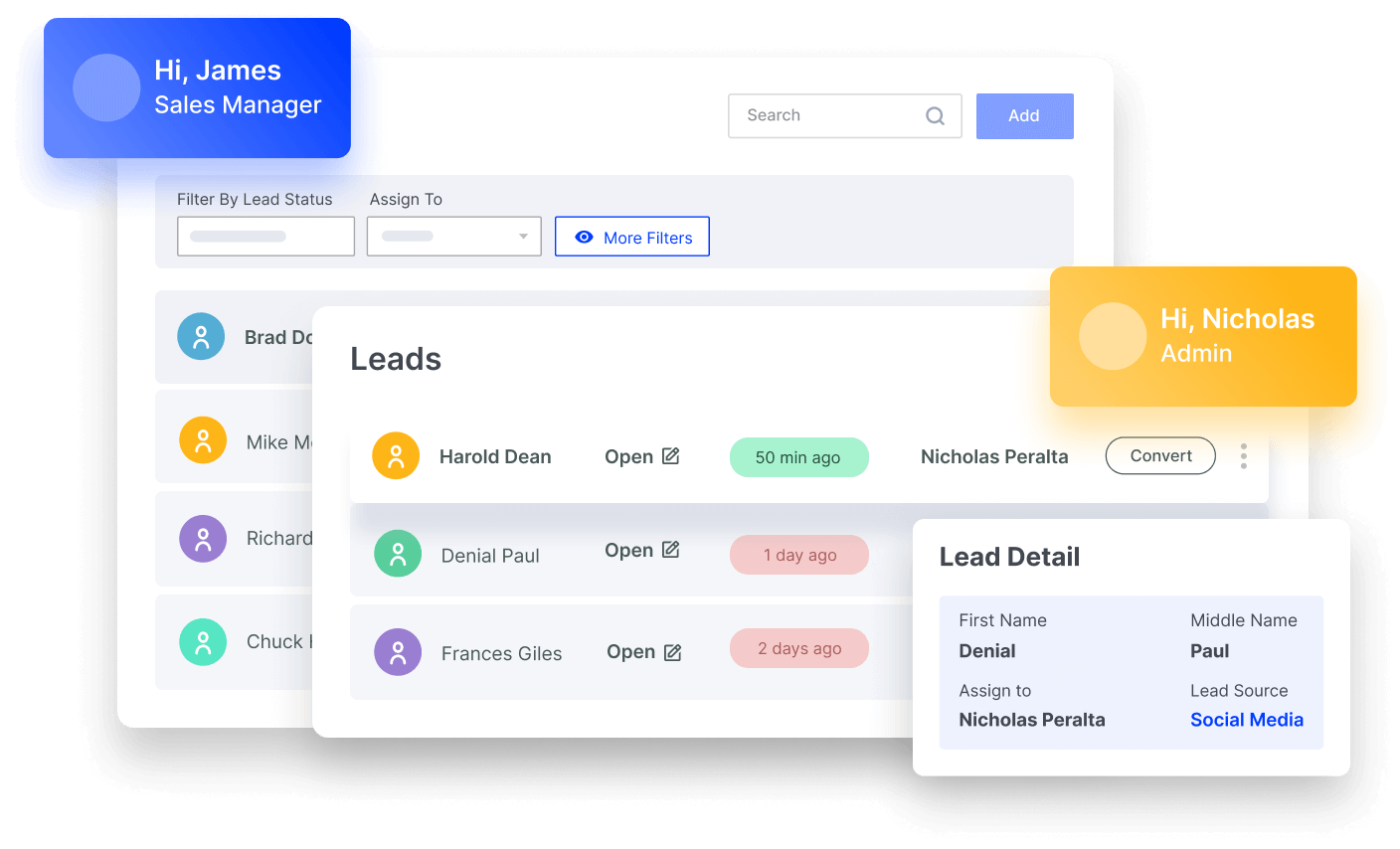
Present financing inside the proposal so the homeowner sees the monthly payment alongside the scope of work
Presenting Financing at the Point of Sale
The best contractors present financing to every customer, not just the ones who flinch at the price. Show the total price and the monthly payment side by side, and let the homeowner choose. The phrase that works: “That comes to about $199 a month — would that fit your budget better than paying it all at once?” Offering options up front normalizes financing and removes the awkwardness of bringing it up only after a customer balks.

With point-of-sale financing, homeowners can get approved and sign in minutes — turning a hesitant lead into a closed job.
Free Calculators
Show homeowners their monthly payment on any HVAC system — enter cost, APR, and term for an instant estimate.
Home Improvement Financing Calculator →
Calculate monthly payment and total interest for any project cost across different loan terms.
Understanding Dealer Fees
A dealer fee (or merchant fee) is the percentage the financing partner deducts from the funded amount in exchange for offering low- or zero-interest plans to your customer. Fees commonly range from roughly 0% on short-term plans to 10%+ on long-term, low-APR promotions — the more attractive the plan for the homeowner, the higher the fee you absorb. Smart contractors build the expected dealer fee into their pricing so margins stay intact while the customer still gets a great payment. Always run the math: a slightly higher price the homeowner barely notices on a monthly plan can fully cover the fee.
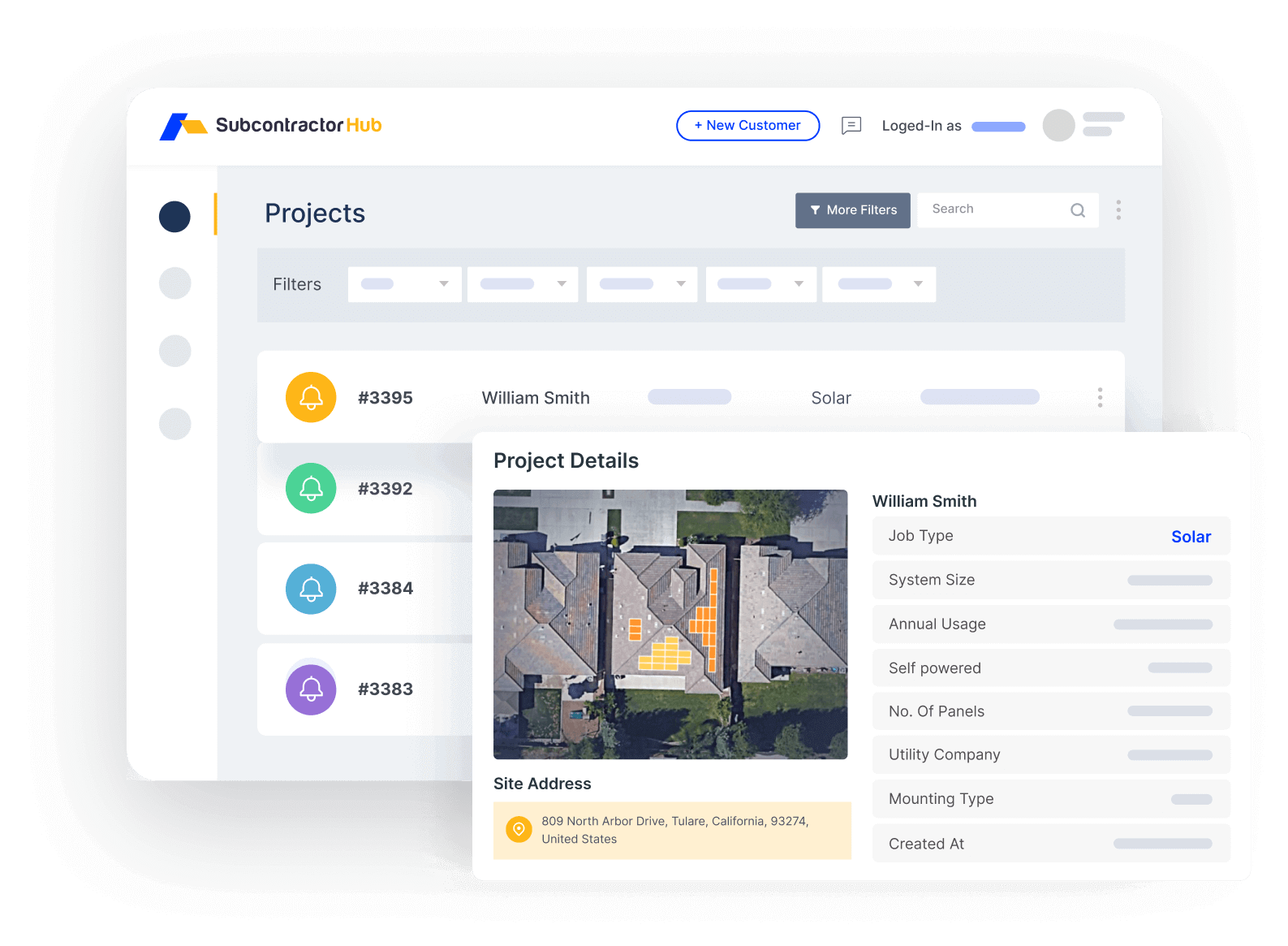
Once financing is approved, the financed job flows straight into scheduling and project management
Compliance Basics
In most setups the lending partner holds the credit license and handles the regulated activity, so you act as a referral point rather than a lender. Still, protect yourself with a few rules:
- Present options honestly and disclose terms (APR, term length, payment) clearly.
- Never complete a credit application on a customer's behalf without their explicit consent.
- Don't make promises about approval — let the lender decide.
- Confirm licensing and disclosure requirements with your financing partner and your state regulations.
Integrating Financing Into Your Sales Process
Financing works best when it's baked into the workflow, not bolted on. When your CRM and proposal tool offer financing inside the same flow, every rep presents it the same way on every job — and you can track which financed deals close. A built-in Finance-It workflow plus the GoodLeap integration means your team pulls payment options into the proposal automatically rather than juggling a separate lender portal.
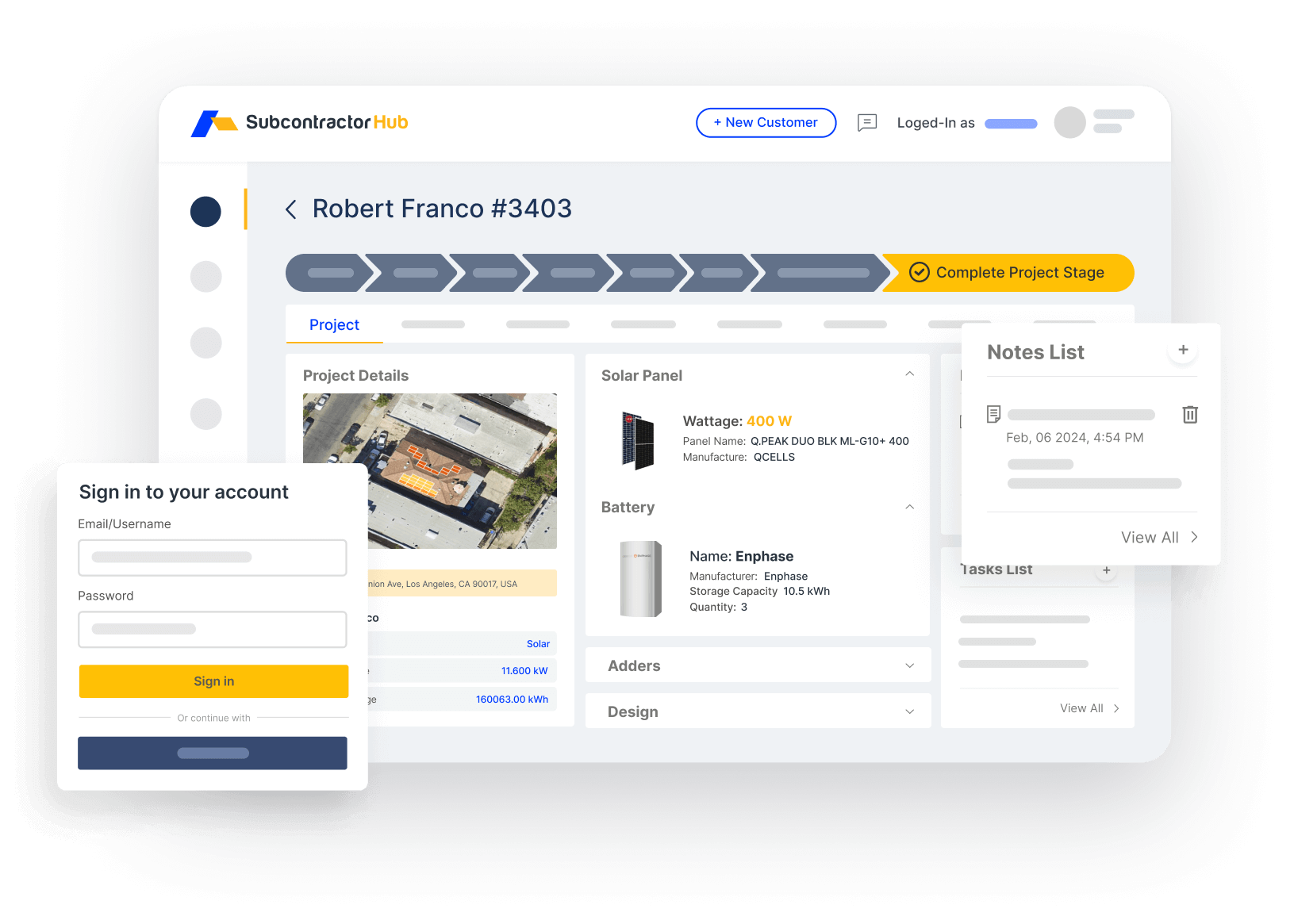
Sales Velocity: see which financed deals are in the pipeline and which payment plans close best
What Changed in Contractor Financing in 2026
The mechanics of dealer financing have not changed, but the arithmetic has, and contractors who set their financing menu two or three years ago are often running it at the wrong margin now.
Dealer fees on long promotional terms have risen. A lender offering a homeowner 0% for 24 months has to fund that subsidy from somewhere, and that somewhere is the dealer fee. As base rates rose, the fee attached to the longest zero-interest promotions rose with them. The short-term, higher-APR plans that carry little or no dealer fee have barely moved. The practical consequence is that the gap between your cheapest and most expensive financing option is wider than it used to be, so which plan a rep offers by default now matters materially to the job margin.
Soft-pull pre-qualification has become standard. Most major platforms now let a homeowner check an approved amount without a hard credit inquiry. That removes the objection that used to stall the conversation at the kitchen table — people will check a number they are not committed to. Run pre-qualification before presenting options rather than after, so the tiers you show are ones the customer can actually take.
Worked example: absorb the fee, or price for it?
On a $12,000 system, the difference between plans is bigger than most contractors assume:
Illustrative fees only — your actual schedule comes from your lender agreement. The point is the spread: roughly $1,300 of margin separates the cheapest and most expensive plan on one job. Most contractors resolve this by blending an average fee into their standard price rather than quoting a different number per plan, which keeps the presentation simple and stops reps steering customers toward the plan that quietly costs the company most.
Frequently Asked Questions
Why should a contractor offer customer financing?
Offering customer financing lets homeowners say yes to bigger jobs by spreading the cost into monthly payments instead of a single large outlay. Contractors who offer financing typically see higher close rates, larger average ticket sizes, and fewer price-driven losses, because the conversation shifts from total price to an affordable monthly payment.
How does contractor financing work?
You partner with a lender or financing platform that approves the homeowner for a loan, often in minutes from a phone or tablet. The homeowner makes monthly payments to the lender, and you get paid the project amount (minus a dealer fee) shortly after the work is completed or milestones are met. The lender carries the credit risk, not you.
What are dealer fees in contractor financing?
A dealer fee (also called a merchant fee) is the percentage a financing partner deducts from the funded amount in exchange for offering low- or zero-interest plans to your customer. Fees commonly range from roughly 0% on short-term plans to 10%+ on long-term, low-APR promotions. Many contractors build the dealer fee into their pricing so the math still works.
Should you absorb the dealer fee or build it into your price?
Build it in, but blend it rather than pricing each plan separately. Dealer fees now range from near zero on short-term plans to roughly 10% or more on long zero-interest promotions, which on a $12,000 job is a spread of more than $1,300 in what you actually receive. Quoting a different price for every financing option is confusing at the kitchen table and invites negotiation. Most established contractors calculate a weighted average fee across the plans they actually sell, build that into their standard pricing, and present one price with several payment options beneath it.
Do contractors need a license to offer financing?
In most cases the lending partner holds the credit license and handles the regulated lending activity, so you act as a referral point rather than a lender. You should still present financing options honestly, disclose terms clearly, never fill out an application on a customer's behalf without consent, and confirm requirements with your financing partner and state regulations.
Related Reading
- Finance-It: Contractor Financing Tools
- GoodLeap Financing Integration
- How to Offer HVAC Financing to Customers in 2026
- No Dealer Fee Financing for Contractors: Protect Your Margin
- Best HVAC Software for Contractors in 2026
- Contractor Labor Burden Calculator — Know Your True Employee Cost Before Pricing
- Contractor Markup Calculator — Set the Right Price for Every Job
Offer Financing Without the Headache
See how SubcontractorHub puts financing right inside the proposal — GoodLeap approvals, monthly payment options, and financed deals tracked in your pipeline. Book a demo and we'll walk through a live financed sale in under 30 minutes.
Book a DemoContractor Financing, Sales, Contractor Tools
SubcontractorHub
See How Top Contractors Close More Jobs
AI proposals, sales pipeline, and project management — all in one platform.
- ✓AI-powered proposals in the field
- ✓CRM built for contractor sales
- ✓Project tracking from sale to install
30 minutes. No commitment.