
Best HVAC Maintenance Software for Contractors in 2026
Published June 2026 · Updated August 2026 · 12 min read
Maintenance visits are the highest-conversion sales opportunity in the HVAC business — and most contractors are leaving serious revenue on the table because their software can't connect the dots. A tech arrives at a home with a 14-year-old system, runs a tune-up, finds $900 in repairs needed, and leaves with a service sticker instead of a signed replacement contract.
The right HVAC maintenance software fixes that. It puts the customer's equipment history and a proposal builder in the tech's hands before they knock on the door — so a maintenance visit can convert to a closed replacement job in the same hour.

The best HVAC maintenance software gives technicians full equipment history and an on-site proposal tool so maintenance visits convert to replacement jobs before the tech leaves the driveway.
What to Look for in HVAC Maintenance Software
Not every maintenance platform is built for installation contractors. Platforms designed for same-day service-call shops often lack the proposal, financing, and project management layers that installation-focused businesses need. Here are the capabilities that matter most:
- Service agreement tracking: which customers are enrolled, what equipment is covered, when visits are due, and when agreements expire or renew — managed without spreadsheets
- Equipment history in the field: techs need system specs, installation date, prior service notes, and proposal history before every visit — not after they get back to the office
- On-site proposal tool: when a maintenance visit surfaces a replacement opportunity, the tech should be able to build and present a branded proposal before leaving — not email a quote two days later
- Embedded financing: presenting monthly payment options on-site dramatically increases close rates on aging-system replacements — this should be built in, not a separate conversation
- Automatic renewal reminders: automated outreach 60, 30, and 7 days before expiration prevents agreement revenue from silently lapsing
- Pipeline integration: a maintenance-to-replacement lead should flow into your sales pipeline automatically — not require a phone call to the sales team to create a new deal
For HVAC contractors running both a maintenance program and an installation business, the software choice matters most at the handoff: when a maintenance visit becomes a replacement lead. That's where most platforms break down — and where the right tool pays for itself in months.
Maintenance Plan vs. Service Contract vs. Service Agreement: What You're Actually Shopping For
These three terms get used interchangeably in software marketing, but contractors mean different things by them — and the difference changes which features you need. Before comparing platforms, it helps to know which of the three you're actually running.
- Maintenance plan: a recurring schedule of tune-up visits, usually two per year (spring cooling, fall heating), sold as a subscription. The software job is scheduling, visit tracking, and renewal reminders. Volume is high and margins are thin, so automation matters more than contract depth.
- Service contract: a plan that also commits you to labor and sometimes parts coverage on covered equipment. Now the software has to track what is covered, what the deductible is, and how much labor you have already absorbed against each contract — otherwise a profitable-looking book of contracts quietly loses money on the highest-usage customers. HVAC service contract software needs cost-to-serve reporting per contract, not just a visit calendar.
- Service agreement: typically the broadest of the three, covering the customer relationship, priority response, and discount terms. This is the term most enterprise platforms use, and the tracking need is portfolio-level: renewal rates, attrition, and revenue per agreement.
Where contractors lose money: selling flat-rate service contracts without tracking labor absorbed per contract. If a contract sells for $240 a year and two visits plus one covered repair cost you $310 in labor, the contract is a loss — but most maintenance platforms report it as revenue. Ask any vendor how they report cost-to-serve against each contract before you sign.
If your primary question is specifically about tracking and renewing an agreement portfolio rather than choosing a maintenance platform, we cover that comparison separately in best HVAC service agreement software, and the selling side in how to sell HVAC maintenance agreements. If the agreement itself is what you are drafting — what to include, what to exclude and how to price the tiers — start with our guide to HVAC service agreements.
Commercial HVAC Maintenance Tracking: Different Requirements Entirely
Nearly every "best HVAC maintenance software" comparison — including most of this page — is written for residential service. Commercial and mechanical contractors have a genuinely different problem, and residential-first platforms handle it badly.
On a commercial preventative maintenance contract you are not tracking one furnace at one address. You are tracking an equipment list — rooftop units, chillers, air handlers, split systems — each with its own PM frequency, filter and belt specifications, and service history, often across multiple buildings under a single contract with a property manager or facilities group. The software requirements that follow from that:
- Asset-level tracking, not customer-level: service history has to attach to each individual unit with its own tag number, not to the site — otherwise you cannot answer which rooftop unit has failed three times this year
- Multi-site contracts: one agreement covering a dozen locations, with visits scheduled per site but billing rolled up to one invoice
- Contract-value billing and progress invoicing: commercial maintenance is billed on contract schedules — often monthly or quarterly against an annual value — not per service call. Residential platforms that only invoice completed work orders cannot express this
- Deficiency logging that feeds quoted work: the real profit in commercial maintenance is the repair and replacement work that PM visits uncover. A technician logging a failing compressor should generate a quotable deficiency, not a note nobody reads
- Compliance documentation: refrigerant tracking and per-visit reporting that a facilities manager will actually accept as proof of service
SubcontractorHub is built around contract-value billing, multi-site project structure, and quoted change work, which is why it fits commercial and mechanical contractors running air conditioning maintenance across a building portfolio. ServiceTitan offers a commercial module at enterprise pricing. Housecall Pro and Jobber are residential-first — workable for a light commercial route, but they will not track equipment lists or roll up multi-site contract billing. If commercial work is most of your revenue, see commercial HVAC software and the full HVAC contractor platform.

Service agreement dashboards in modern HVAC maintenance software surface aging equipment, upcoming visit dates, and replacement opportunities so no opportunity slips through.
SubcontractorHub
See How Top Contractors Close More Jobs
AI proposals, sales pipeline, and project management — all in one platform.
- ✓AI-powered proposals in the field
- ✓CRM built for contractor sales
- ✓Project tracking from sale to install
30 minutes. No commitment.
HVAC Maintenance Software Comparison (2026)
| Platform | Best for | Service agreements | On-site proposals | Embedded financing | Project management | Starting price |
|---|---|---|---|---|---|---|
| SubcontractorHub | Installation contractors: maintenance-to-replacement pipeline | ✓ In CRM pipeline | ✓ AI proposals on-site | ✓ GoodLeap, Sungage, LightReach | ✓ Full install tracking | Contact for pricing |
| ServiceTitan | Enterprise service shops (10+ techs) | ✓ Membership dashboards | ✓ Pricebook quoting | Partial integration | ✓ Advanced | $245+/tech/mo |
| Housecall Pro | Small residential service shops | ✓ Basic agreements | ✓ In-app estimates | Limited | Basic | ~$65/mo |
| Jobber | Small HVAC service businesses | ✓ Recurring jobs | ✓ Quotes | None native | Basic | ~$69/mo |
| QuoteIQ | Maintenance plan billing automation | ✓ Invoice subscriptions | Limited | None | None | ~$150/mo |
The 5 Best HVAC Maintenance Software Platforms in 2026
1. SubcontractorHub — Best for HVAC Installation Contractors
SubcontractorHub is purpose-built for HVAC contractors who run both a maintenance program and a system replacement business. The core difference from every other platform on this list: maintenance and installation live in the same platform — with no data gap at the handoff.
Service agreement customers live in the CRM pipeline alongside replacement leads. When a tech arrives for a maintenance visit, they open the customer record and see equipment age, system specs, prior proposals, financing history, and service notes — all in one view. When a 15-year-old heat pump needs replacing, they open EasyQuote on a tablet, build a branded proposal with multiple equipment options and GoodLeap or LightReach financing tiers, and the customer reviews a monthly payment — before the van backs out of the driveway.
A signed replacement proposal automatically creates an installation project with all job details pre-loaded. Operations picks it up immediately — permit filing, equipment ordering, crew scheduling — with zero re-entry. This maintenance-to-replacement workflow is unique to SubcontractorHub's HVAC contractor platform.
- Pros: maintenance and installation in one platform; AI proposals on-site; GoodLeap, Sungage, and LightReach embedded; automatic project creation on close; built for roofing and solar too if you run multiple trades
- Cons: not optimized for same-day emergency dispatch the way ServiceTitan is; best fit for installation-first businesses rather than pure service-call shops
- Best for: HVAC installation contractors running a maintenance program who want the maintenance-to-replacement pipeline in one place
2. ServiceTitan — Best Enterprise HVAC Maintenance Platform
ServiceTitan is the enterprise standard for large HVAC shops running high-volume service agreement portfolios. Its membership dashboard gives service managers full visibility into agreement status, visit completion, renewal revenue, and technician performance — all in one view.
The pricebook and on-site quoting tools are strong, and ServiceTitan connects dispatch to maintenance visits cleanly. The trade-off is cost and complexity: at $245+/tech/month with lengthy onboarding, ServiceTitan is sized for shops with 10+ technicians who need enterprise-grade agreement management and don't balk at the price.
- Pros: deepest enterprise agreement management in the industry; excellent reporting and KPI dashboards; strong dispatch and technician performance tools
- Cons: expensive ($245+/tech/mo, often $1,000+/mo minimum); long onboarding; built for service-call shops more than installation-first businesses
- Best for: large HVAC service organizations (10+ techs) with complex agreement portfolios who can absorb the cost and implementation timeline
3. Housecall Pro — Best for Small Residential HVAC Shops
Housecall Pro is the go-to for small HVAC businesses (1–5 techs) that want plug-and-play maintenance agreement management without the enterprise price tag. Recurring agreements, automated reminders, GPS tracking, and one-tap invoicing are all included at a starting price that makes sense for smaller operations.
- Pros: fast setup; user-friendly mobile app; solid recurring job scheduling; good customer communication automation
- Cons: limited project management for multi-week installations; no embedded financing; proposal tools are basic
- Best for: small residential HVAC shops focused on service calls and basic maintenance agreements
4. Jobber — Solid Agreement Management for Small HVAC Businesses
Jobber handles recurring jobs, maintenance schedules, customer communication, and basic quoting well for small HVAC operations. It's particularly strong on customer-facing automation — automated reminders, online booking, and job status notifications — but doesn't offer the installation-specific tools (financing, project management, AI proposals) that growing installation contractors need.
- Pros: clean interface; strong customer communication; recurring job scheduling is reliable; good value at ~$69/mo
- Cons: no native financing integration; limited proposal builder; not built for installation project management
- Best for: solo operators and very small HVAC shops that primarily do maintenance and service calls
5. QuoteIQ — Specialized Maintenance Plan Billing
QuoteIQ is a niche tool designed specifically for automating maintenance plan billing. Its Invoice Subscriptions feature handles recurring charges on any schedule with automated renewal reminders. If your primary need is billing automation for maintenance agreements — and you're already using a separate CRM and dispatch platform — QuoteIQ fills that gap cleanly.
- Pros: specialized agreement billing automation; straightforward recurring charge management; competitive pricing (~$150/mo)
- Cons: not a full maintenance management platform; no CRM, proposals, or project management; requires integration with other tools
- Best for: shops that need agreement billing automation and already have a separate platform for everything else
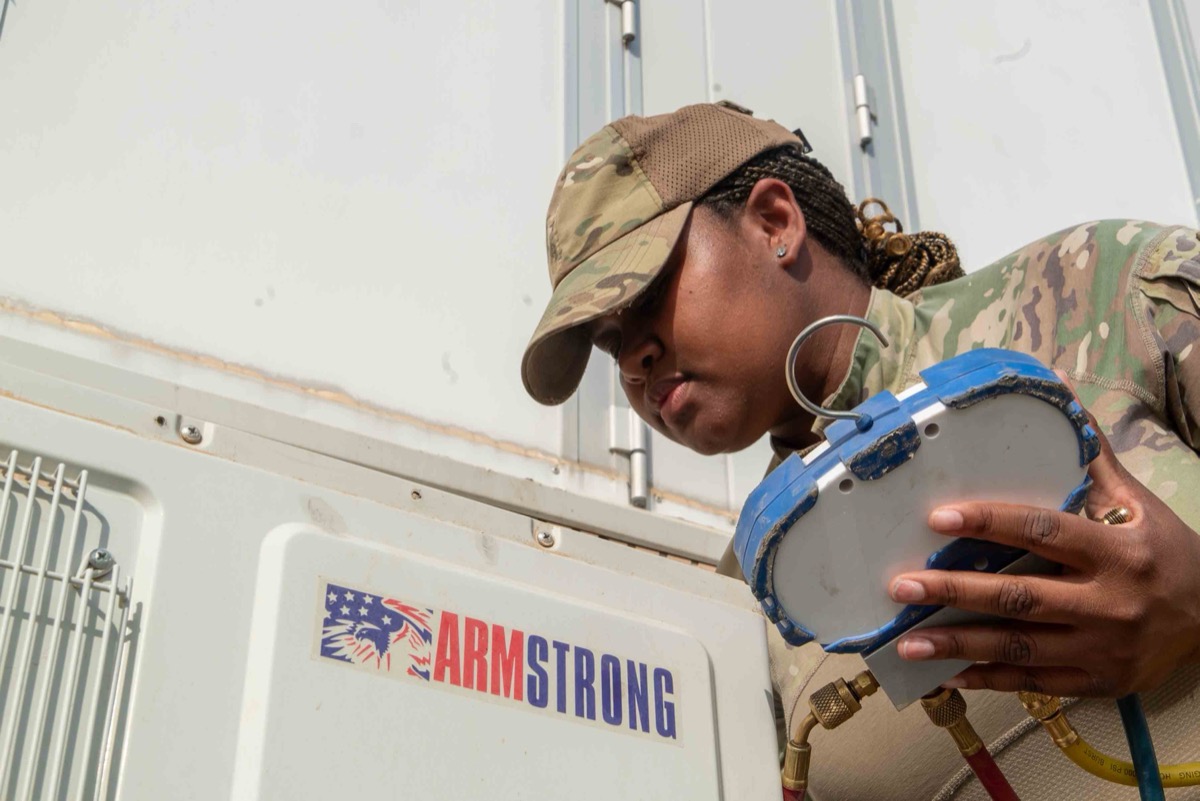
Mobile-first HVAC maintenance software gives technicians customer history and a proposal builder in the field — turning a maintenance visit into a replacement opportunity before they leave the property.
How to Choose HVAC Maintenance Software for Your Business
The right choice depends on one question: is your maintenance program a standalone revenue source, or is it a pipeline for replacement sales?
If your maintenance program primarily feeds replacement jobs — if a significant portion of your installation revenue comes from service agreement customers who eventually need a system replaced — you need a platform that connects maintenance to proposals, financing, and project management. SubcontractorHub is built for this. ServiceTitan also handles it at enterprise scale.
If your maintenance program is primarily a service-call revenue stream — tune-ups, filter changes, recurring service revenue with occasional repairs — a lighter platform like Housecall Pro or Jobber handles the workflow at a fraction of the cost.
Think about the financing conversation. If your technicians are presenting replacement options to maintenance customers and financing is part of the pitch, you need financing embedded in the platform — not a separate conversation or a third-party link. Platforms that require a separate financing application break the on-site momentum that drives high close rates.
Also consider whether you run multiple trades. If you do roofing or solar alongside HVAC, consolidating on a platform that handles all three trades eliminates the cost and coordination overhead of maintaining separate systems.
The Maintenance-to-Replacement Revenue Opportunity
The average HVAC system lifespan is 15–20 years. If you have 200 service agreement customers, statistically 10–20 of them have systems in their final 2–3 years of life at any given time. Each one represents a $6,000–$15,000 replacement opportunity.
The challenge is identifying which customers are in that window — and having a fast, credible process to present a replacement quote when a technician spots an opportunity. Equipment age tracking surfaces the aging systems. An on-site AI proposal tool generates the quote in minutes. Embedded contractor financing makes the replacement affordable. All three need to work together, or the opportunity leaves with the tech.
The difference between HVAC contractors who close 30% of replacement opportunities sourced from maintenance visits and those who close 10% is almost always the speed and quality of the on-site proposal — not the technician's product knowledge or pricing.
Final Recommendation
For HVAC installation contractors running a maintenance program: SubcontractorHub gives you the maintenance-to-replacement pipeline in one platform — service agreement tracking, AI proposals on-site, embedded financing, and automatic project creation on close. No other platform on this list connects all four layers without stitching together separate tools.
For large service shops (10+ techs) with complex agreement portfolios and the budget to match: ServiceTitan's enterprise agreement management is the deepest in the industry.
For small residential service shops focused primarily on maintenance and repairs: Housecall Pro or Jobber handle the basics well at a price that matches the scale.
See SubcontractorHub's HVAC Maintenance Platform
Connect your service agreements, proposals, financing, and installation projects in one platform. Book a 20-minute demo to see the maintenance-to-replacement workflow in action.
Book a Free DemoFrequently Asked Questions
What is HVAC maintenance software?
HVAC maintenance software tracks preventive maintenance schedules, service agreements, equipment history, and recurring visit reminders. For installation contractors, the best platforms also include AI proposals and embedded financing — so a maintenance visit that surfaces a replacement converts to a closed job before the tech leaves.
What is the best HVAC maintenance software for installation contractors in 2026?
SubcontractorHub is the top choice for installation contractors — it connects service agreement tracking, AI proposals, embedded financing (GoodLeap, Sungage, LightReach), and installation project management in one platform. ServiceTitan leads at enterprise scale for large service shops.
How does HVAC maintenance software increase revenue?
By preventing renewal lapses through automated reminders, and by converting maintenance visits into replacement sales — surfacing aging equipment, enabling on-site proposals, and embedding financing to close before the homeowner gets other quotes.
Can HVAC maintenance software connect to financing?
Yes — SubcontractorHub embeds GoodLeap, Sungage, and LightReach into every proposal so techs can present monthly payment options on-site. See the contractor financing options page for details on each lender.
Does HVAC maintenance software handle service agreements?
Yes. The best HVAC maintenance platforms track which customers are enrolled, when visits are due, what equipment is covered, and when agreements expire or renew. SubcontractorHub manages recurring agreement customers in the same CRM as replacement leads, so the maintenance-to-replacement pipeline stays in one platform with no data re-entry. For a comparison focused specifically on agreement portfolio management, see best HVAC service agreement software.
What is HVAC service contract software?
HVAC service contract software tracks plans that commit you to labor and parts coverage on specific equipment — not just a tune-up schedule. The feature that separates real service contract software from a visit calendar is cost-to-serve reporting: how much labor and parts you have absorbed against each contract, so you can tell which contracts are profitable at renewal. A contract that sells for $240 a year and consumes $310 in covered labor is a loss most maintenance platforms still report as revenue.
What is the best HVAC preventative maintenance software?
For contractors who also sell replacements, SubcontractorHub is the strongest fit — preventative maintenance visits surface aging equipment, and the on-site proposal builder with embedded financing converts those findings into closed jobs. ServiceTitan is the deepest option for large service shops. For commercial preventative maintenance across an equipment list, prioritize asset-level tracking and deficiency logging over scheduling features.
What software tracks commercial HVAC maintenance contracts?
Commercial HVAC maintenance needs asset-level tracking (each rooftop unit, chiller, and air handler with its own tag and history), multi-site contracts billed as one rolled-up invoice, contract-value progress billing rather than per-work-order invoicing, and deficiency logging that turns PM findings into quoted repair work. SubcontractorHub is built around contract-value billing and multi-site project structure; ServiceTitan offers a commercial module at enterprise pricing. Housecall Pro and Jobber are residential-first and will not track equipment lists. See commercial HVAC software.
What is the difference between HVAC maintenance software and field service software?
Field service software manages reactive dispatch for emergency calls and repairs. Maintenance software manages proactive, scheduled visits under a maintenance plan or service contract. SubcontractorHub handles both the maintenance relationship and the full installation business — so when a maintenance visit converts to a replacement job, the workflow from agreement to final installation sign-off stays in one platform.