
How Much Does HVAC Software Cost in 2026? A Contractor's Pricing Guide
By SubcontractorHub Editorial Team·Published June 2026 · Updated September 2026

Quick Answer
In 2026, most HVAC software costs $30 to $300 per user per month. Entry-level field service tools start around $30–$60 per user, mid-market platforms run $100–$200, and enterprise systems like ServiceTitan reach $300–$500 per technician per month plus setup. The smarter question isn't just the monthly number — it's the all-in cost after onboarding, add-ons, and the tools a single platform lets you cancel. SubcontractorHub's HVAC platform bundles quoting, CRM, and project management on one plan so you stop paying for three subscriptions. Book a demo for a quote at your team size.
“How much does HVAC software cost?” is one of the most common questions contractors ask before switching tools — and one of the hardest to answer cleanly. Vendors quote a per-user price on their homepage, then the real number balloons once you add onboarding, messaging fees, and the add-on modules you actually need. This guide breaks down every pricing model, the typical ranges in 2026, the hidden costs that catch contractors off guard, and how to think about ROI instead of just sticker price.
The Three Main HVAC Software Pricing Models
Almost every HVAC platform falls into one of three pricing structures. Knowing which one you're looking at makes it far easier to compare apples to apples.
- Per-user / per-month: The most common model. You pay a recurring fee for every login — office staff, sales reps, and field techs alike. Predictable at small sizes, but it scales painfully fast as you add seats.
- Per-technician: Used heavily by enterprise field service tools. Pricing is tied to your active tech count, often $200–$500 per tech per month. Great revenue model for the vendor; expensive for a growing crew.
- Flat-rate plans: A fixed monthly or annual price for a bundle of features and a user band. This is usually the best value for contractors who want quoting, CRM, and project management together without metering every seat.
A platform that's “$49/user/month” sounds cheap until you have 10 reps and 4 office staff paying nearly $700 every month. Always run the math at your real headcount, not the per-seat headline.

Per-user HVAC software pricing climbs with every field tech and office seat you add — flat-rate plans often cost less at scale.
Typical HVAC Software Price Ranges in 2026
Here's where the major tiers land this year:
- Entry-level ($30–$60 / user / month): Basic scheduling, invoicing, and a light CRM. Fine for a solo tech or a two-person shop, thin on estimating and project management.
- Mid-market ($100–$200 / user / month): Adds proposals, automation, and reporting. This is where most growing HVAC contractors operate.
- Enterprise ($300–$500 / technician / month): Deep field service management for fleets of 30+ techs, with onboarding that can run 6–8 weeks and cost thousands up front.
The Hidden Costs Nobody Quotes You
The monthly subscription is only part of the bill. Before you sign, ask about:
- Onboarding & data migration: One-time fees of $500 to $5,000+ to import your customers, jobs, and pricebook from your old system.
- Add-on modules: Financing integrations, marketing tools, payroll, and advanced reporting are often sold separately on top of the base plan.
- Messaging & payments: Per-text and per-email charges plus payment processing fees (2.5%–3.5%) that quietly add up across hundreds of jobs.
- Contract lock-in: Annual commitments with steep early-termination penalties. A “monthly” price is rarely month-to-month.

The right HVAC software pays for itself by helping reps close more installs — measure ROI against jobs won, not just the monthly fee.
What Actually Drives the Price
Four factors move the number more than anything else: how many users you have, how broad the feature set is (a tool that does quoting, CRM, scheduling, and project management costs more than a single-purpose app), the level of AI and automation, and the scope of onboarding. Multi-trade and all-in-one platforms carry a higher monthly price, but they typically replace three or four separate subscriptions — so the all-in cost can be lower.
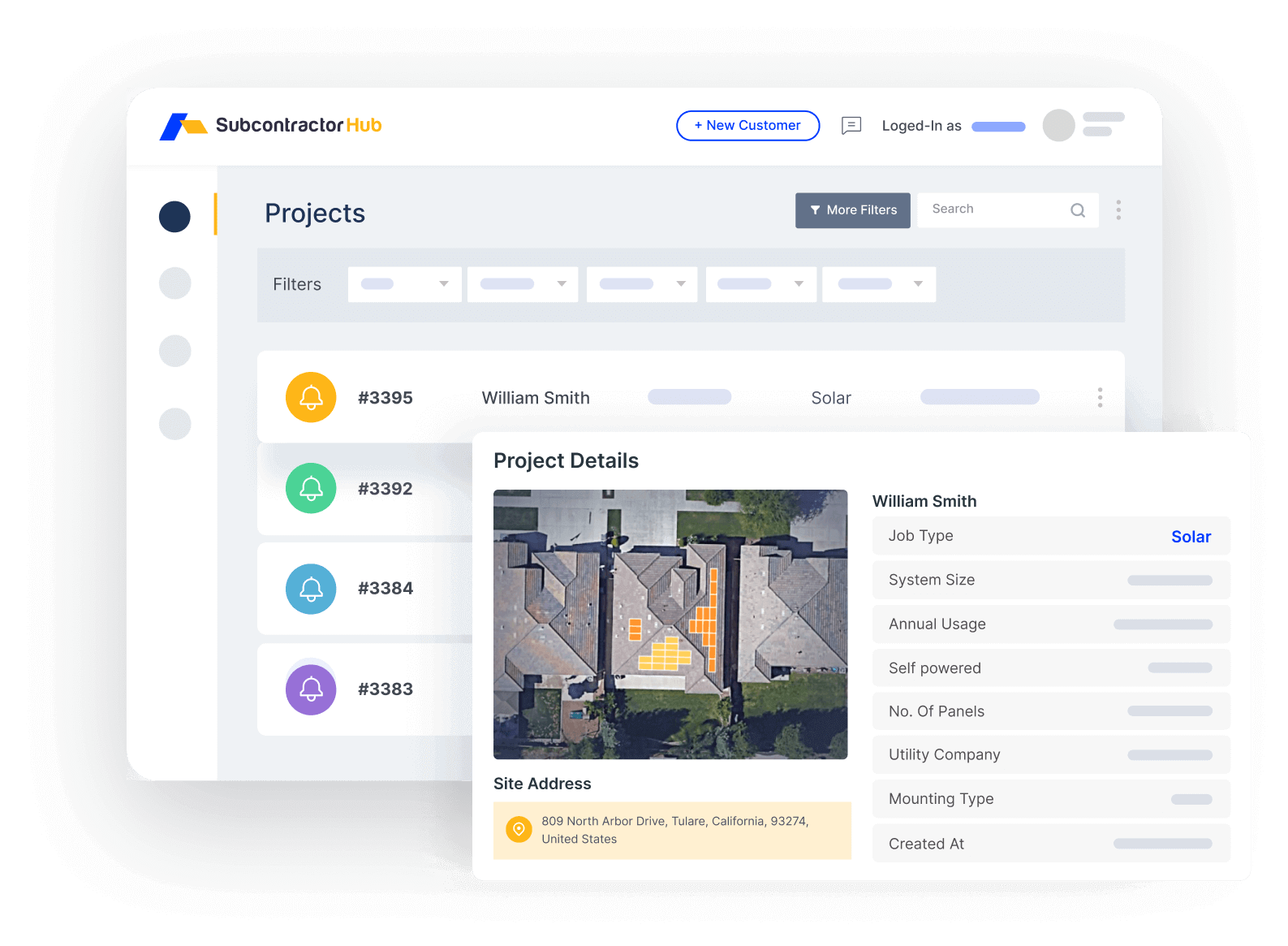
EasyQuote: AI-assisted HVAC proposals generated in minutes, included in the plan rather than billed as an add-on
Free vs. Paid HVAC Software
Free HVAC software can work for a solo operator tracking a handful of jobs, but free tiers almost always cap users, jobs, or features and lack real estimating, CRM, and project management depth. Most teams outgrow a free tool within months — and then pay to migrate everything a second time. If you're past one truck, a paid plan that consolidates your stack is usually cheaper than the “free” option plus the three paid tools you bolt onto it.
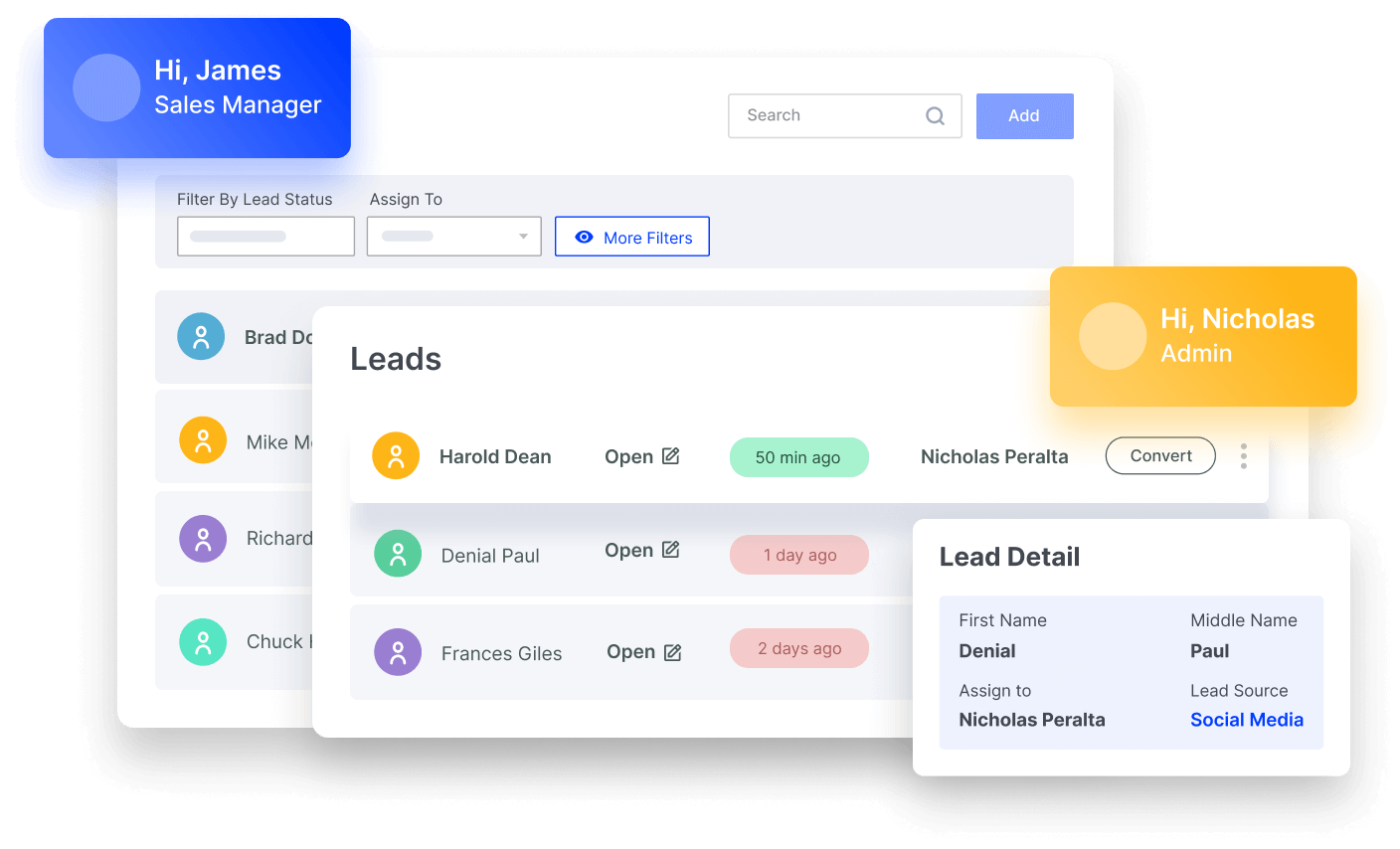
Sales Velocity: a built-in HVAC CRM means one bill instead of a separate CRM subscription
How to Think About ROI, Not Just Price
The cheapest software is rarely the best value. If a $200/month platform helps each rep close even one extra installation per month, it pays for itself many times over. Frame the decision around outcomes: faster quotes, higher close rates, fewer dropped jobs in the sales-to-install handoff, and the subscriptions you can cancel once one platform covers them.
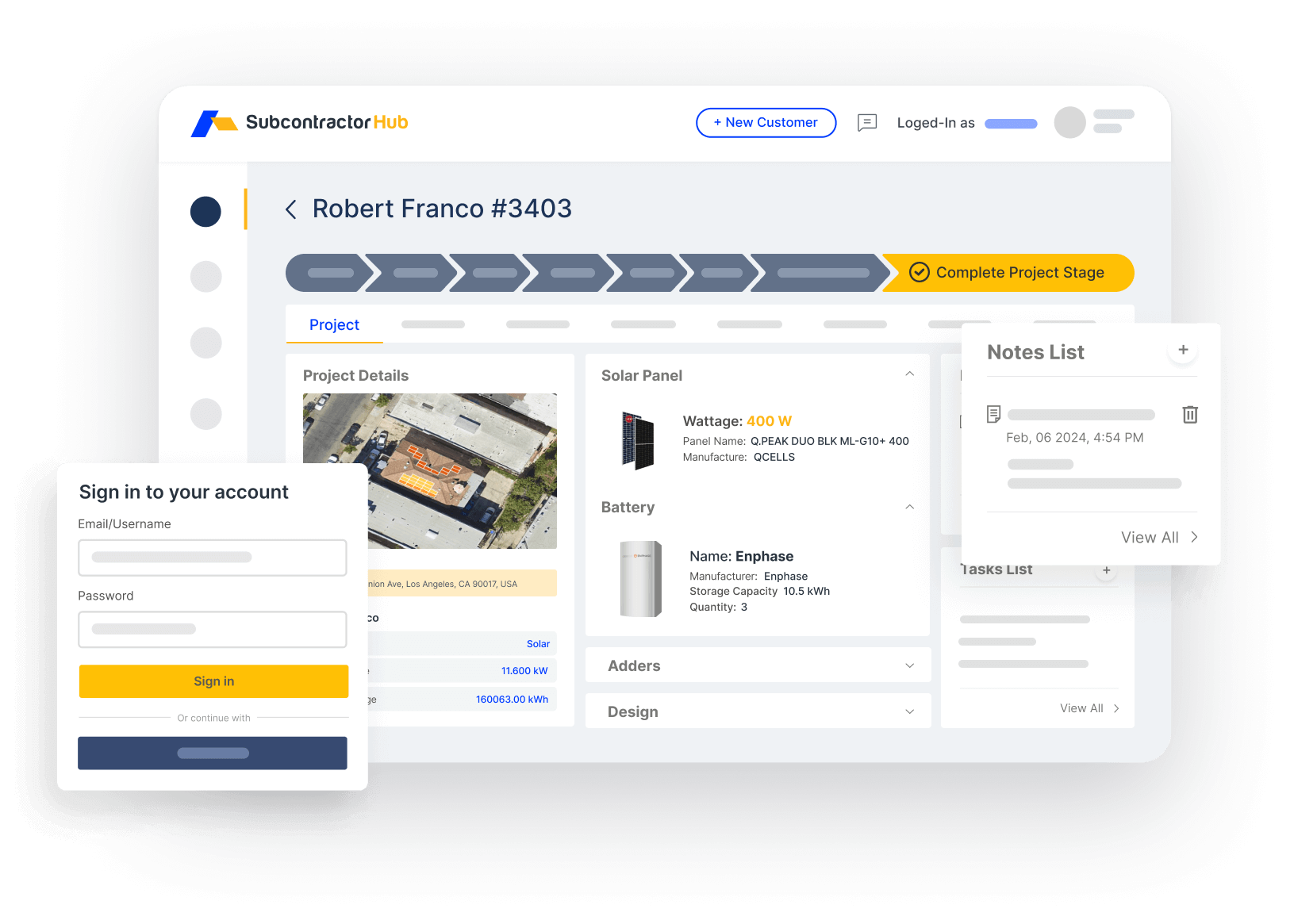
Project Management: keeping every HVAC install on schedule protects margin and improves ROI
Planning a system replacement quote for a customer? Use our HVAC replacement cost calculator to estimate the job cost, then see how a complete HVAC contractor software platform turns that estimate into a signed proposal. For a side-by-side of the leading tools, read our best HVAC software guide.
What to Look for Beyond Price
- All-in pricing: Ask for a single number at your team size including onboarding and the add-ons you'll actually use.
- Feature consolidation: How many of your current tools can it replace?
- Field-ready mobile app: Software your techs won't use is wasted money.
- Multi-trade support: If you may add roofing or solar, a multi-trade platform avoids a costly re-platform later.
- Transparent terms: Month-to-month options and no surprise messaging fees.
What Changed in HVAC Software Pricing in 2026
The headline per-user ranges above have held roughly steady, but three things underneath them have moved, and they change what a quote actually means.
AI features are arriving as upcharges, not as included capability. Call summarisation, automated dispatch suggestions and proposal drafting have appeared across most mid-market platforms over the past year, and the common pattern is a separate line item of roughly $15 to $40 per user per month rather than an upgrade to the base tier. When comparing two quotes, check whether the AI module is in the number or beside it — on a ten-technician team that is a $1,800 to $4,800 annual difference that does not show in the advertised price.
Per-seat pricing is under pressure from seat-counting behaviour. Contractors on per-technician plans increasingly ration logins — sharing accounts between apprentices, leaving office staff off the system, delaying adding a new hire until the next billing cycle. That saves money and quietly defeats the point of the software, because the data stops being complete. It is the main reason flat and outcome-based plans have gained ground in this trade.
Outcome-based pricing is now a real third option. Rather than charging for seats, some platforms charge on work that actually happened. SubcontractorHub prices this way: unlimited users at no per-seat cost, with a fee of $35 per signed contract. The comparison that matters is not the monthly figure but the cost at your volume — a five-technician company signing 20 contracts a month pays a very different effective rate under each model, and the crossover point is worth calculating before you sign anything. Our pricing page shows the full structure.
Frequently Asked Questions
How much does HVAC software cost in 2026?
Most HVAC software costs between $30 and $300 per user per month. Entry-level field service tools start around $30–$60 per user, mid-market platforms run $100–$200 per user, and enterprise systems like ServiceTitan can reach $300–$500 per technician per month plus setup fees. Flat-rate platforms that bundle quoting, CRM, and project management often deliver better value for growing teams.
Is per-technician or flat-rate pricing better for HVAC contractors?
It depends on your ratio of office staff to field technicians and on how much your headcount moves seasonally. Per-technician pricing is predictable and often cheaper for a small field-heavy team, but it penalises you for adding office users and for seasonal hiring, and it pushes contractors into sharing logins, which undermines the data. Flat or outcome-based plans cost more at very small scale and become cheaper as the team grows or as more non-field staff need access. Calculate both at your actual headcount and your expected headcount in eighteen months, not just today.
Are there hidden costs with HVAC software?
Yes. Common hidden costs include one-time onboarding and data migration fees ($500–$5,000+), paid add-on modules (financing, marketing, payroll), per-text and per-email messaging charges, payment processing fees, and annual contract lock-ins. Always ask for an all-in monthly quote at your team size before you sign.
Is free HVAC software worth it?
Free HVAC software can work for a solo operator tracking a handful of jobs, but free tiers usually cap users, jobs, or features and lack the quoting, CRM, and project management depth growing contractors need. Most teams outgrow free tools within months and end up paying for the migration twice.
What drives the price of HVAC software?
The biggest price drivers are the number of users or technicians, the breadth of features, the level of automation and AI, onboarding and migration scope, and whether you are billed per seat or on a flat plan. Multi-trade and all-in-one platforms cost more per month but usually replace three or four separate subscriptions.
Related Reading
Get a Real Quote for Your Team
Stop guessing at the all-in cost. Book a demo and we'll show you exactly what SubcontractorHub costs at your team size — quoting, CRM, and project management on one plan — and which subscriptions you can cancel.
Book a DemoHVAC Software, Pricing, Contractor Tools
SubcontractorHub
See How Top Contractors Close More Jobs
AI proposals, sales pipeline, and project management — all in one platform.
- ✓AI-powered proposals in the field
- ✓CRM built for contractor sales
- ✓Project tracking from sale to install
30 minutes. No commitment.