
How to Price HVAC Jobs in 2026: A Contractor's Guide to Profitable Pricing
By SubcontractorHub Editorial Team·Published July 2026·Updated October 2026

Ask ten HVAC contractors how they price a job and you'll get ten answers — and most of them start with “well, it depends.” That instinct isn't wrong, but pricing from gut feel in the driveway is exactly how profitable-looking businesses end up with a 6% net margin at year-end. The jobs got done. The money just leaked out through underpriced labor, forgotten overhead, and inconsistent quoting from one technician to the next.
This guide walks through how to price HVAC jobs the way profitable shops do it in 2026: the pricing models to choose from, how to calculate what a billable hour actually costs you, the markup formula that protects your margin, and the current benchmarks for service calls, repairs, and replacements. If you run an HVAC business, this is the difference between staying busy and staying profitable.
The three HVAC pricing models
Every HVAC pricing approach is a variation of three models. Most successful shops don't pick just one — they match the model to the type of work.
- Hourly / time-and-materials. You bill your hourly labor rate (commonly $75–$150/hour in 2026) plus parts at a marked-up cost. It's transparent for open-ended work, but it punishes your fastest technicians and creates sticker shock on the invoice.
- Flat rate. One fixed, all-inclusive price per job, quoted before any work begins. Parts, labor, overhead, and profit are all baked in. This is the fastest-growing model in 2026 because customers know the total up front and your revenue no longer depends on how slow the tech works.
- Hybrid. Flat rate for standard repairs and service, hourly for large or unpredictable commercial jobs. Most established residential shops land here.
Step 1: Calculate what a billable hour actually costs you
This is the step that quietly bankrupts contractors. A technician earning the 2026 national median of roughly $28.75/hour does not cost your business $28.75/hour. Once you add payroll taxes, workers' comp, liability insurance, benefits, vehicle costs, and paid non-billable time, that technician actually costs you $40–$48/hour before you've allocated a single dollar of overhead or accounted for a minute of drive time.
That gap between the wage and the true burdened cost is your labor burden, and if you price off the wage instead of the burdened number, you're losing money on every hour. Run your own numbers with our HVAC service call cost calculator before you set a single price.
Step 2: Add overhead, then apply markup for profit
Overhead — rent, software, admin salaries, marketing, office vehicles — has to be recovered across your billable hours. Divide your annual overhead by your realistic billable hours to get an overhead cost per hour, and add it to your burdened labor cost. Only then do you apply markup for profit.
A simple, reliable formula:
Price = (Burdened labor + Overhead per hour) × Hours + (Parts × Parts markup), then adjust to hit your target net margin.
Most residential HVAC contractors target a net margin of 10–20%. Parts are commonly marked up 30–100% depending on the item. If your finished price doesn't clear a 10% net after everything, the price is too low — not the market's problem.
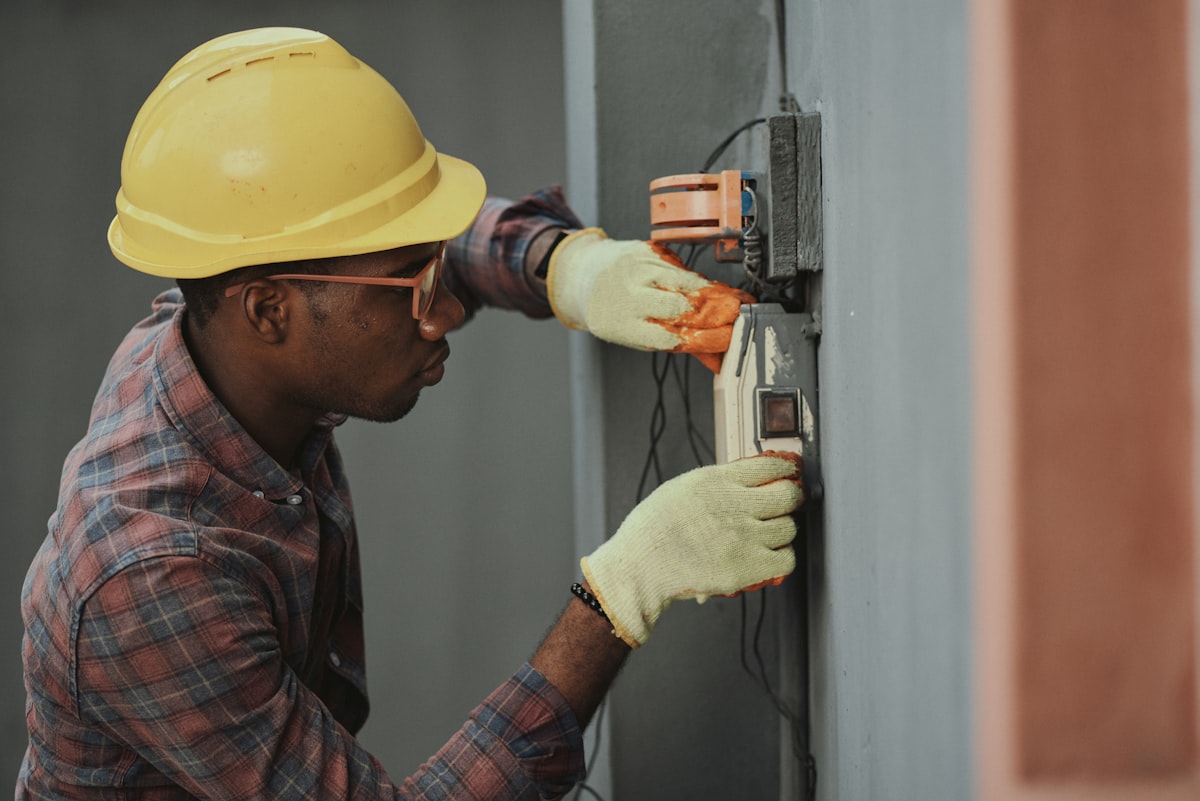
Fast technicians shouldn't cost you money. Flat-rate pricing decouples your revenue from how long the job takes.
2026 HVAC pricing benchmarks
Benchmarks aren't prices — they're a sanity check against your own burdened-cost math. Regional labor costs, peak-season demand, and job complexity move these ranges significantly. As of 2026:
- Service call / diagnostic fee: $75–$150 residential
- Hourly labor rate: $75–$150/hour
- Common repairs: $150–$450
- Full system replacement: $5,000–$12,500
- Target net margin: 10–20%
Seasonality matters more in HVAC than almost any trade. A contractor in a peak-summer market might justifiably charge 30–50% above the national average for an emergency diagnostic during a heat wave — the demand and the after-hours cost are both real.
Why flat rate is winning in 2026
Flat-rate pricing has become the default for repair and service work, and the reason is simple: it aligns your revenue with the value delivered instead of the clock. Contractors who switch from time-and-materials to a flat-rate price book commonly report 20–40% higher revenue per technician, because they stop leaking margin on the fast jobs your best techs finish quickly. Customers also close faster when they see one number instead of an open-ended hourly meter. We break down the full transition in our HVAC flat rate pricing guide.
SubcontractorHub
See How Top Contractors Close More Jobs
AI proposals, sales pipeline, and project management — all in one platform.
- ✓AI-powered proposals in the field
- ✓CRM built for contractor sales
- ✓Project tracking from sale to install
30 minutes. No commitment.
Common HVAC pricing mistakes that kill margin
- Pricing off the wage, not the burden. The single most common — and most expensive — mistake.
- Forgetting non-billable time. Drive time, restocking, and callbacks are real hours that overhead has to absorb.
- Letting each tech price from memory. Inconsistent driveway pricing means the same repair costs $280 or $420 depending on who shows up.
- Never raising prices. If your rates haven't moved with labor and parts inflation, your margin has quietly eroded.
- Under-marking parts. Parts markup covers sourcing, stocking, and warranty risk — not just the invoice cost.
How software makes profitable pricing repeatable
Knowing the formula is half the battle. The other half is making sure every quote, from every technician, applies it the same way. That's where a purpose-built platform matters. With SubcontractorHub's HVAC platform, your flat-rate price book, labor rates, and parts markups live in one place, so a technician builds an accurate, on-brand quote from a tablet in the field instead of guessing. Pricing, proposal, e-signature, and job handoff happen in a single flow.
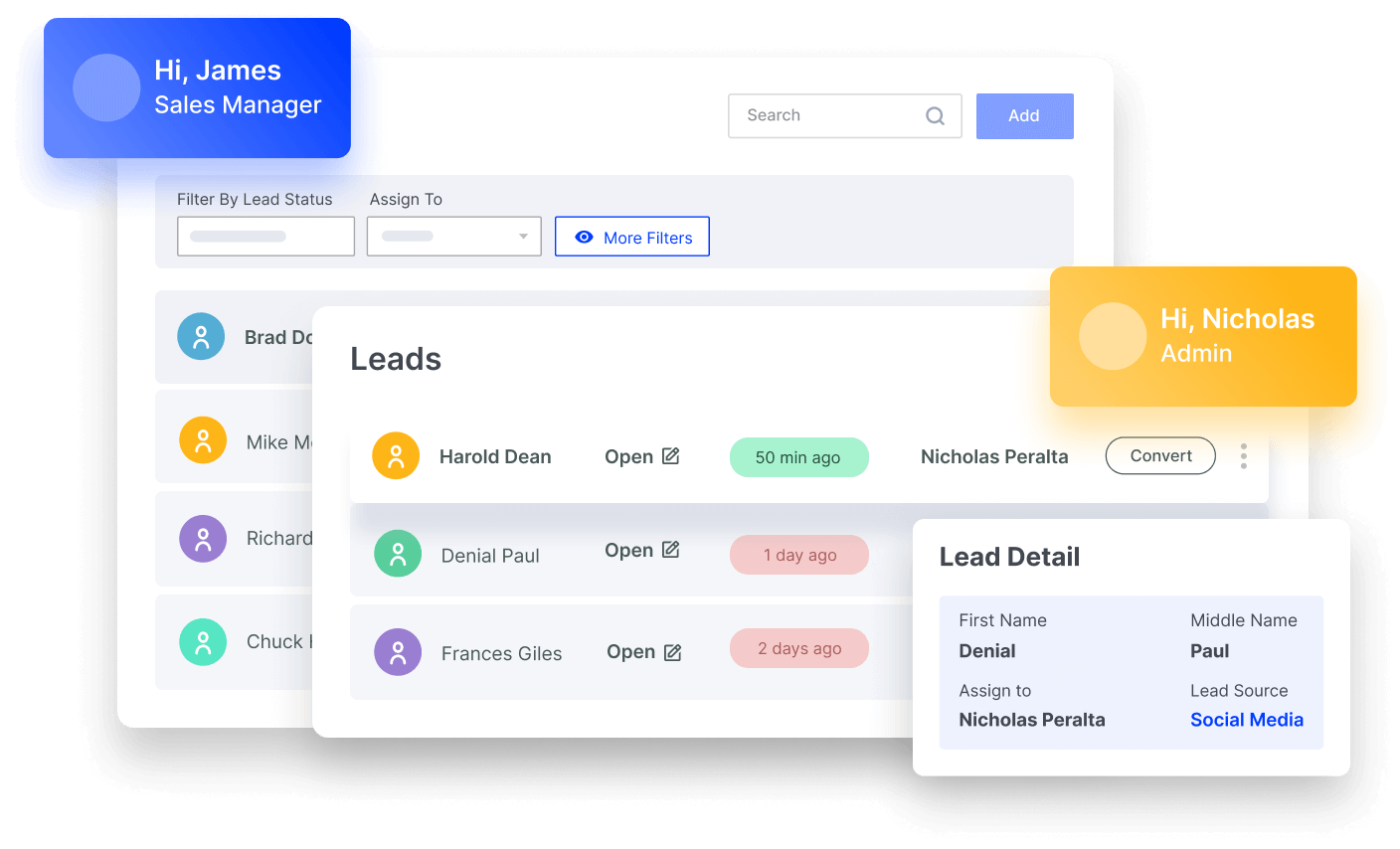
A consistent flat-rate price book means the same repair is quoted at the same profitable price no matter which technician runs the call.
Because pricing, CRM, and project management sit in one system, the numbers you set actually stick from quote to close to installed job. See the full toolset for estimating and quoting on our HVAC contractor software and HVAC estimating software pages. Wondering what it costs? We break it down in how much HVAC software costs.
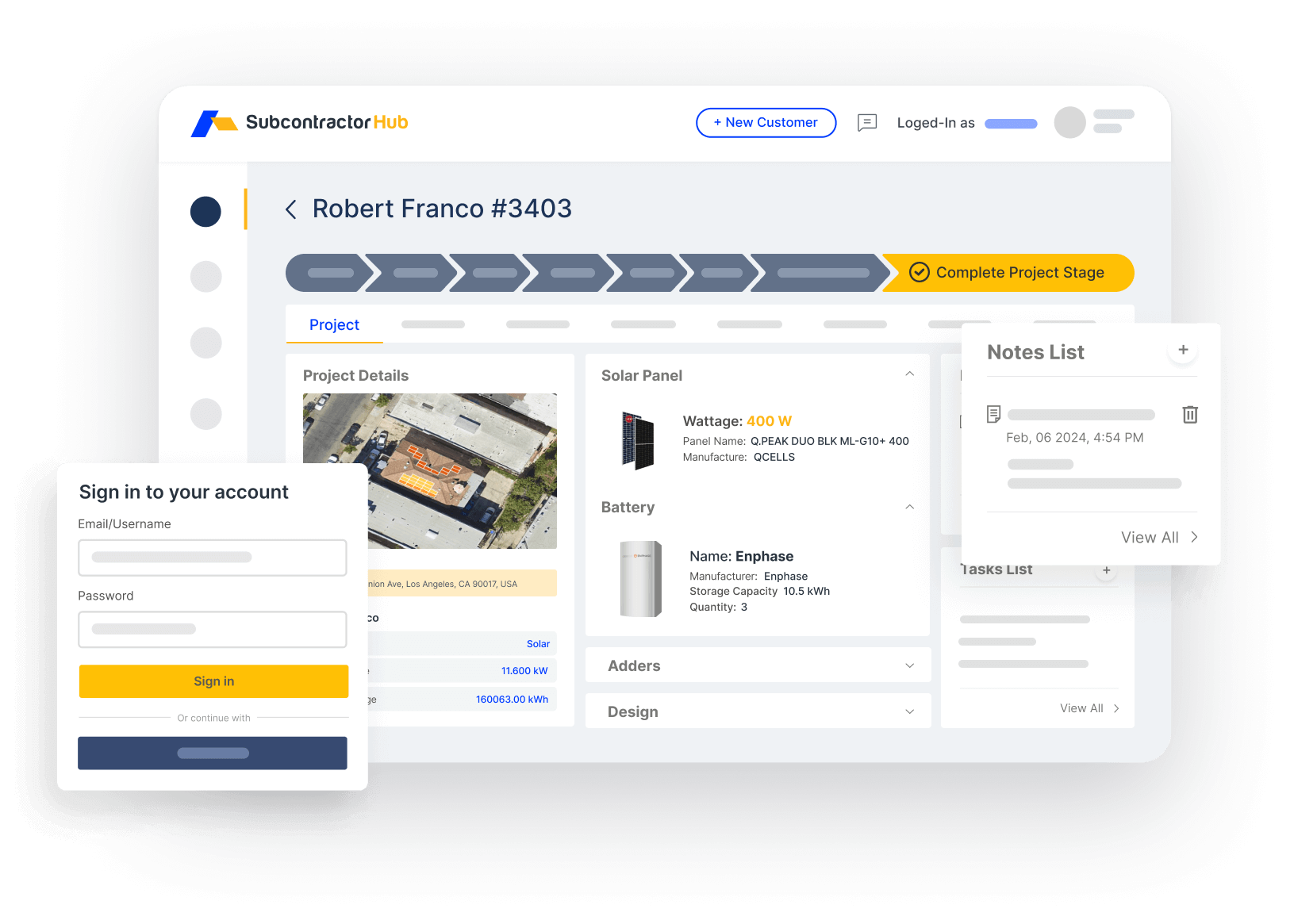
Priced quotes flow straight into your sales pipeline, so nothing is left on a clipboard.
How to price HVAC jobs when they do not sign
The blank lines you fill before a rate is chosen are the HVAC estimate template. This page is how a price is chosen. It is not that blank sheet. The price the household saw is the price on that version of the proposal. Leaving the house without a signature does not create a second price, and it does not authorize a discount in a text the next day. The open work is a note: which version they have, what they asked, who answers, and the date. That note is how to follow up an HVAC proposal. The appointment that produced the version is how to run an HVAC in-home visit.
If the scope changes, write a new version and price that version with the same book you used the first time. Do not leave the old cash figure on the new equipment. Financing, when you show a monthly figure, stays an estimate on the same page as the cash price. How that conversation is labeled is how to offer HVAC financing. This October update does not add a rate, a fee, or a close rate.
What to keep on the price during follow-up
How to price HVAC jobs during follow-up still means keeping the cash price, the options that were actually shown, and the name of the person who can change them. An option that stayed in the truck is not part of the price they are deciding. How those options are built is good, better, best HVAC proposals. The page they would sign is how to write an HVAC proposal, and the record of the visit is HVAC in-home sales software.
A follow-up that changes the number without a new version is how two people in the office quote two jobs. One person should be able to open the file and say which price is still the price. The platform that holds the quote with the job is SubcontractorHub for HVAC. Older dollar figures already on this guide were not re-surveyed in October 2026. They stay labeled as the figures that were here, not as a new benchmark.
Frequently Asked Questions
How do you price an HVAC job?
Start with your true hourly cost — the technician's wage plus the employer-side burden (payroll taxes, insurance, benefits, drive time), which typically pushes a $28–29/hour wage to $40–48/hour. Add your overhead per billable hour, then apply a markup that hits your target net margin (most residential HVAC contractors aim for 10–20%). For repairs, most contractors use flat-rate pricing so the customer sees one fixed price before work begins.
What is the average HVAC service call fee in 2026?
Residential HVAC service call or diagnostic fees typically run $75–$150 in 2026. This covers drive time, diagnosis, and a share of overhead. Many contractors apply the diagnostic fee toward the repair if the customer approves the work.
Should HVAC contractors charge hourly or flat rate?
Flat rate is the fastest-growing model in 2026 for repair and service work because it removes price uncertainty and stops fast technicians from being penalized for finishing quickly. Hourly still makes sense for large, unpredictable commercial jobs. Many shops run a hybrid.
What profit margin should an HVAC business target?
Most residential HVAC contractors target a net profit margin of 10–20%. Service and repair calls often run higher than installations because material costs are lower. If your net margin is under 10%, your pricing is likely leaking on overhead recovery or labor burden.
How much does HVAC pricing software cost?
HVAC quoting and pricing software generally runs from around $50 to $200+ per user per month depending on features. The value is consistency: a flat-rate price book and estimating tool ensure every technician quotes the same profitable price.
Does a follow-up change the price on an HVAC job?
No. The price on the version the household was shown stays that price. A follow-up records the open question, the owner, and a date. If the equipment or the cash figure changes, that is a new version of the proposal, not a note on the old one.
Related Reading
- How to Follow Up an HVAC Proposal
- How to Write an HVAC Proposal
- The HVAC Flat Rate Pricing Guide
- How to Price Ductwork Jobs: A Contractor's Cost Build
- Sales Commission Calculator
- Best HVAC Estimating Software in 2026
- How Much Does HVAC Software Cost?
- How to Price Roofing Jobs in 2026
- HVAC Technician Salary Guide 2026
- HVAC Estimating Software
Price Every Job for Profit
Stop pricing from memory in the driveway. SubcontractorHub gives your team a flat-rate price book, estimating, and proposals in one platform — so every quote protects your margin. Book a demo and we'll build a live HVAC quote with you in under 30 minutes.
Book a DemoHVAC Pricing, HVAC Software, Contractor Tools