
Will AI-Built Entrepreneurs Change Who Gets to Start a Company?
July 3, 2026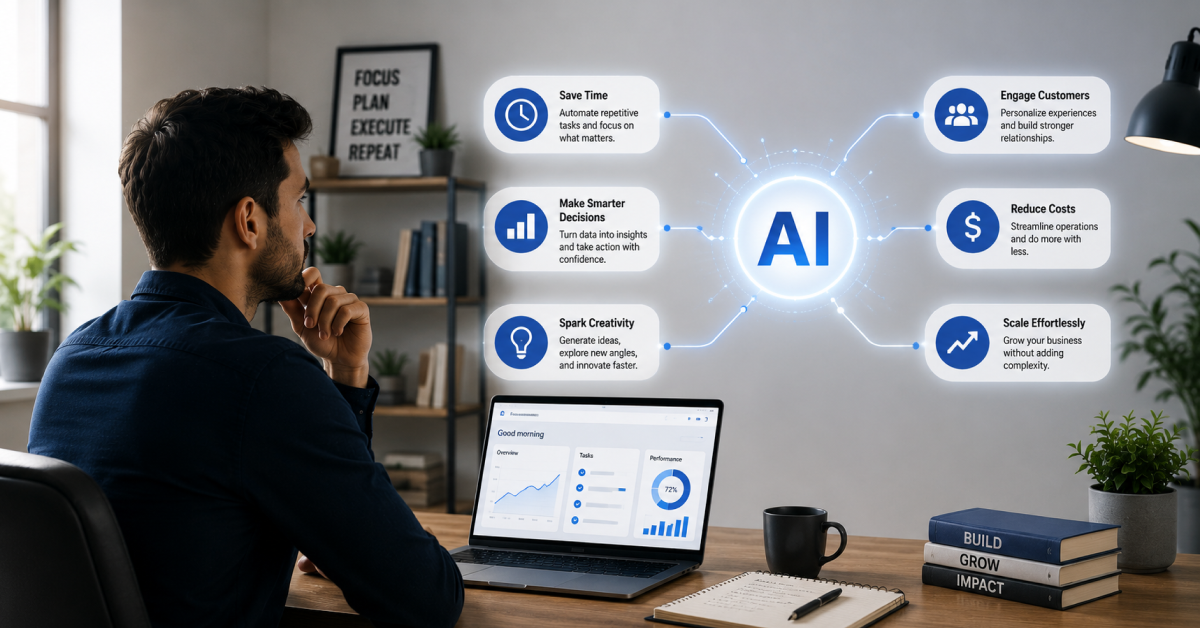
AI is lowering the cost of starting a business. A founder can now research a market, write copy, build a landing page, test offers, create sales materials and organize operations with tools that used to require a full team. That shift does not make entrepreneurship easy. It makes the starting line more crowded, faster and more competitive. For years, the people who had the best chance of starting a company were the ones with capital, connections, technical skills or a team around them. AI is changing that advantage. A solo founder with the right prompts, discipline and market instinct can now move like a much larger operation. That is why “AI-built entrepreneurs” is becoming a serious topic. The next wave of founders may not come from the traditional startup path. Some may come from trades, local services, contracting businesses, consulting, e-commerce, content, design, sales or operations. They may not have engineering backgrounds. They may not raise money. They may build quietly, test quickly and use AI as their first layer of leverage.
AI Is Making the First Move Cheaper
Starting a business has always required a painful first step: turning an idea into something people can actually see, understand and buy.
That used to take a lot of time. A founder needed market research, branding, website copy, design, pitch decks, customer emails, product descriptions, ads, spreadsheets and workflows. Each piece either took skill, money or outside help.
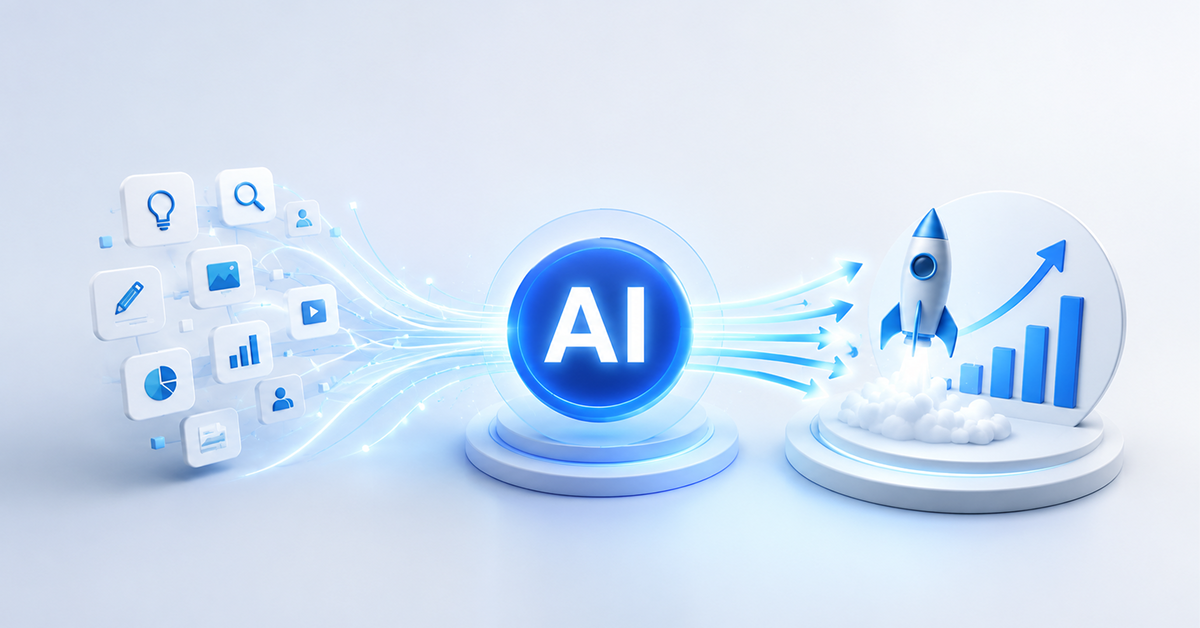
Now, AI can compress that early work.
A founder can use AI to compare competitors, identify customer pain points, draft positioning, map a funnel, build a basic content plan and prepare outreach. That does not guarantee a real business, but it removes friction from the early stage.
This is why generative AI matters so much for entrepreneurship. McKinsey estimated that generative AI could add $2.6 trillion to $4.4 trillion in annual economic value across major use cases. A lot of that value comes from speeding up work that used to slow teams down.
For a founder, speed matters. The faster you can test, the faster you learn. The faster you learn, the less time you waste building something nobody wants.
The Solo Founder Has More Leverage Now
AI gives solo founders a new kind of operating power. One person can now draft sales emails, write scripts, create mockups, analyze reviews, build SOPs and prepare customer support flows in a single day.
That kind of leverage used to belong to teams.
The Stanford 2025 AI Index Report found that generative AI continued to draw strong private investment and that business usage of AI has grown quickly. That matters because entrepreneurs usually move where tools become cheaper, stronger and easier to access.
The same pattern is showing up in small business tools. Reuters reported that Shopify launched an AI store builder that can create online store layouts from keywords. That kind of tool does not replace the founder’s judgment, but it does remove some of the setup work that once delayed launch.
The result is a new kind of founder: someone who can go from idea to first test without waiting for a designer, developer, strategist or copywriter.
More Starts, But Not Always Better Companies
There is a catch. Lowering the barrier to entry creates more attempts, but more attempts do not automatically create stronger businesses.
AI can help someone launch faster. It cannot force them to understand customers. It cannot create discipline. It cannot make a weak offer strong. It cannot replace the pressure of selling something real to a real person.
That is why AI-built entrepreneurs still need taste, judgment and grit.
A founder can produce 50 landing page headlines with AI, but someone still has to know which one will make a customer stop. A founder can create a business plan in minutes, but someone still has to execute. A founder can draft outreach, but someone still has to handle rejection, follow up and close. The advantage will go to people who combine AI speed with human obsession.
Why Contractors Should Pay Attention
This shift matters for contractors because many trade businesses already have the raw material for entrepreneurship: real customer problems, local trust, service knowledge and operational experience.
A roofing contractor, solar installer or HVAC business owner may not think of themselves as a tech-enabled entrepreneur, but AI changes that. With the right systems, a contractor can create better proposals, improve follow-up, build training materials, analyze customer objections, plan campaigns and reduce manual admin.
That is also why connected platforms matter. SubcontractorHub helps contractors bring quoting, financing, workflows and project visibility into one place instead of forcing teams to chase scattered tools. For roofing contractors, solar contractors and HVAC contractors, the advantage comes from using technology to move faster without adding more chaos.
AI-built entrepreneurship follows the same logic. The goal is not to collect more tools. The goal is to build a system that helps one person or a small team operate with more clarity.
The Founder Skill Stack Is Changing
The best entrepreneurs of the next decade may not be the people who know every technical detail. They may be the people who know how to ask better questions, test faster and turn information into action.
Microsoft’s 2024 Work Trend Index reported that AI users said the technology helped them save time, focus on important work and become more creative. The real advantage comes when that time goes back into selling, customer discovery, product quality and operations.
That is where many founders will separate themselves. Average entrepreneurs will use AI to make more content. Strong entrepreneurs will use AI to make better decisions.
The new founder skill stack looks different. It includes prompt thinking, market research, offer creation, distribution, workflow design, data review and fast iteration. The founder becomes less of a person doing every task manually and more of an operator directing intelligent tools.
What AI-Built Entrepreneurs! Will Do Differently
AI-built entrepreneurs will change who gets to start a company because the early cost of building is falling. More people can test ideas, launch offers, and create systems without waiting for permission, funding or a full team.
That does not make entrepreneurship easier at the top. It makes the early stage faster and more accessible. The hard parts remain: trust, distribution, execution, customer retention and real value.
The winners will be the builders who use AI with discipline. They will move faster, but they will not confuse speed with strategy. They will use AI to test more, learn more and build stronger systems around real customer problems.
The next generation of entrepreneurs may start smaller, leaner and faster than the last one. And the best of them will not just use AI to build more. They will use it to build better.


