
Best HVAC Service Management Software in 2026: An Honest Buyer's Guide
By SubcontractorHub Editorial Team·Published June 2026

Quick Answer
The best HVAC service management software in 2026 is SubcontractorHub for contractors who sell and install HVAC systems. It combines AI proposals, a built-in sales CRM (Sales Velocity), embedded financing, and installation project management in one platform — replacing the 3–5 disconnected tools most HVAC contractors are currently stitching together. For pure reactive service calls, ServiceTitan or HouseCall Pro may serve you better. For installation businesses with a real sales process, SubcontractorHub was built for this. Book a demo to see it live.
Most HVAC contractors hit the same wall at some point: leads tracked in a spreadsheet, proposals emailed as PDFs, scheduling in a shared Google Calendar, financing handled through a separate portal, and project updates buried in text threads. The business is running — but barely, and not efficiently.
HVAC service management software is supposed to solve this. But with dozens of platforms on the market in 2026, many of them built for completely different workflows than yours, choosing the wrong tool can cost more time and money than staying on spreadsheets. This guide cuts through the noise.
Service Calls vs. Installations: Why the Distinction Matters
The single biggest mistake HVAC contractors make when evaluating software is not knowing which category they belong to. There are two fundamentally different types of HVAC businesses:
- Service call businesses: reactive dispatch, same-day jobs, primarily tune-ups, repairs, and emergency calls. Revenue is transactional and high-volume. Tools like ServiceTitan and HouseCall Pro were built for this model.
- Installation businesses: a sales process that starts with a homeowner or business consultation, involves generating a proposal on-site, closing financing, and then managing a multi-phase installation — equipment delivery, permitting, installation, commissioning, and final inspection. Average job value is $8,000–$20,000+. This is the world SubcontractorHub was built for.
Many HVAC companies do both. But the software that runs your installation business needs to be evaluated on different criteria than the software that dispatches a service tech for a capacitor replacement. Confusing the two is exactly why so many contractors end up with four tools that don't talk to each other.

The best HVAC service management software supports the full customer journey — from on-site consultation and proposal to installation sign-off.
What to Look for in HVAC Service Management Software
Before you book any demo, run every platform through these criteria:
- Does the proposal tool work in the field? Tablet-first, not desktop-first. Reps should be able to build a branded, accurate quote at the homeowner's kitchen table — not back at the office later.
- Is financing embedded or just linked? A link to a financing portal is not the same as financing inside the proposal. The best HVAC service management software lets reps present monthly payment options inline and track approval status in the same pipeline as the deal. See how GoodLeap and other financing partners integrate with SubcontractorHub.
- Does the sold-job handoff actually work? When a rep closes a job, does operations automatically get a ready-to-schedule project with all the proposal details — equipment model, scope, customer notes — pre-loaded? Or does someone have to re-enter everything manually?
- What does multi-phase project tracking look like? An HVAC installation isn't a single task. It involves equipment ordering, permit submission, rough-in, final installation, commissioning, and inspection sign-off — often across multiple crew visits over multiple days.
- What's the actual cost? Per-seat pricing compounds fast. Get a total-cost-of-ownership number: software, onboarding, training, and any add-ons you need to make it work.
SubcontractorHub
See How Top Contractors Close More Jobs
AI proposals, sales pipeline, and project management — all in one platform.
- ✓AI-powered proposals in the field
- ✓CRM built for contractor sales
- ✓Project tracking from sale to install
30 minutes. No commitment.
Head-to-Head: Best HVAC Service Management Software in 2026
Platform-by-Platform Breakdown
ServiceTitan
Pros: Deep service dispatch functionality; strong reporting for high-volume service fleets; robust integrations with QuickBooks, marketing tools, and equipment suppliers.
Cons: Built primarily for reactive service businesses, not installation sales teams. Onboarding requires a $15,000–$25,000 commitment and takes 6–8 weeks. Per-tech pricing of $245–$400+/month adds up fast for growing teams. Many installation contractors find it over-engineered for their workflow and under-equipped for on-site proposal generation. See our full ServiceTitan alternatives breakdown.
HouseCall Pro
Pros: Clean, easy-to-learn interface; good for HVAC companies doing primarily service work; approachable pricing for small teams; solid customer communication tools.
Cons: Designed for same-day service calls, not multi-week installations. No AI proposal generation, no embedded financing inside the quote, and limited project management depth for contractors running complex installs. Installation contractors regularly outgrow it within 12–18 months. See our full HouseCall Pro alternatives breakdown.
Jobber
Pros: Affordable, easy to set up, good for very small HVAC service teams just getting started with software; clean mobile app for techs.
Cons: Jobber is a service business tool, not an installation business tool. No native proposals with financing, no D2D sales pipeline, no multi-phase project tracking. A Jobber user running 10+ installations a month is almost certainly supplementing it with 2–3 other tools. See our full Jobber alternatives breakdown.

The best HVAC service management software for installation teams works in the field — generating proposals on a tablet before leaving the homeowner's home.
Why SubcontractorHub Wins for HVAC Installation Teams
The story for most HVAC installation contractors in 2026 looks the same: a CRM for leads, a separate tool for proposals, a financing portal that lives outside both, and spreadsheets or Trello for project tracking. Every time data moves between those tools, something can break.
SubcontractorHub eliminates the stack. The HVAC contractor platform connects every stage of your operation in one login.
EasyQuote generates AI-assisted HVAC proposals in minutes. Reps present equipment options, financing tiers, and total costs on a tablet at the homeowner's home — and collect a signature before leaving.
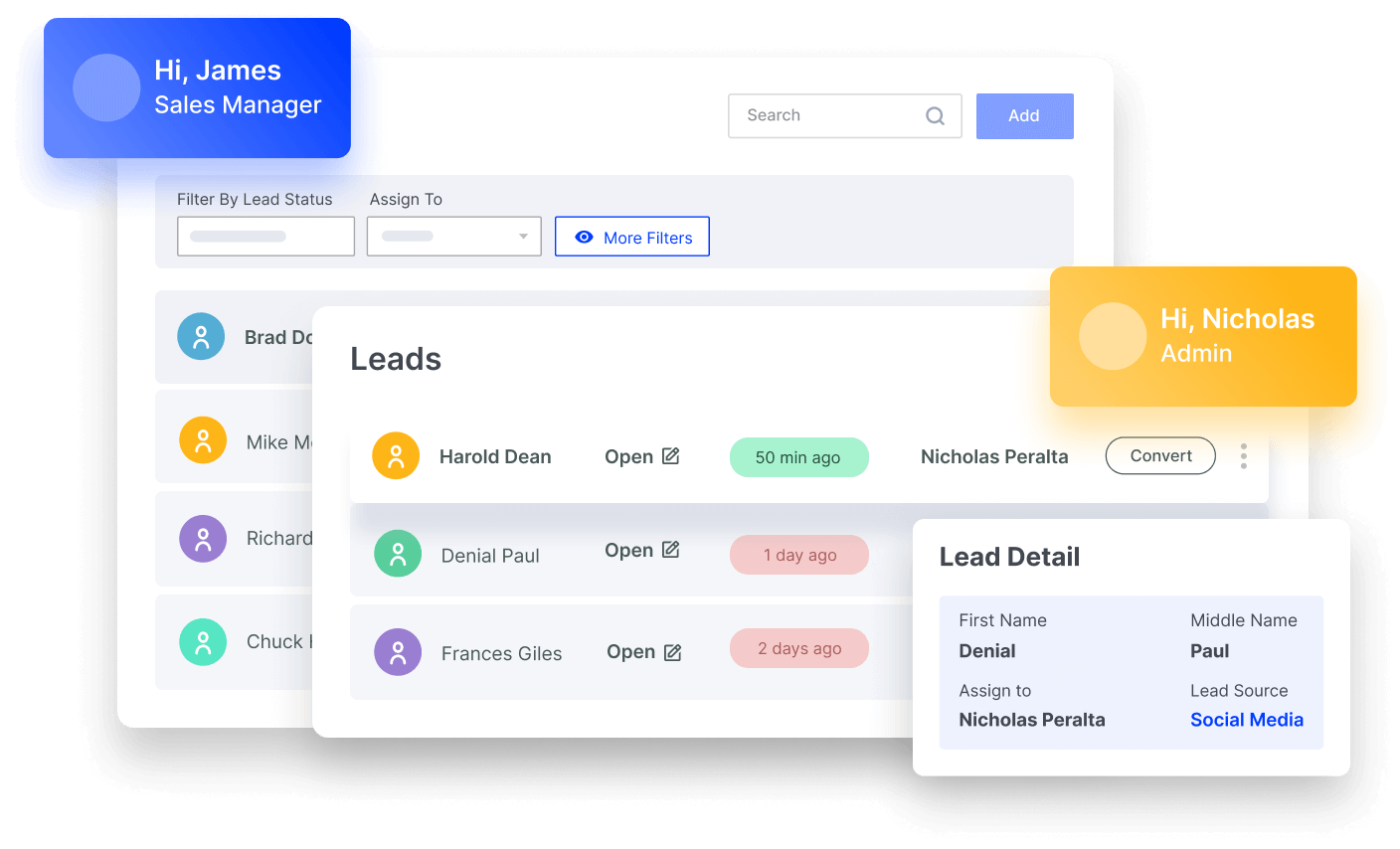
EasyQuote: build AI-assisted HVAC proposals with financing options on a tablet at the job site
Sales Velocity gives managers a real-time view of every open lead, every proposal out, and every financing application in flight — without chasing reps for status updates. Pipeline stages match your actual HVAC sales cycle, not a generic SaaS workflow.
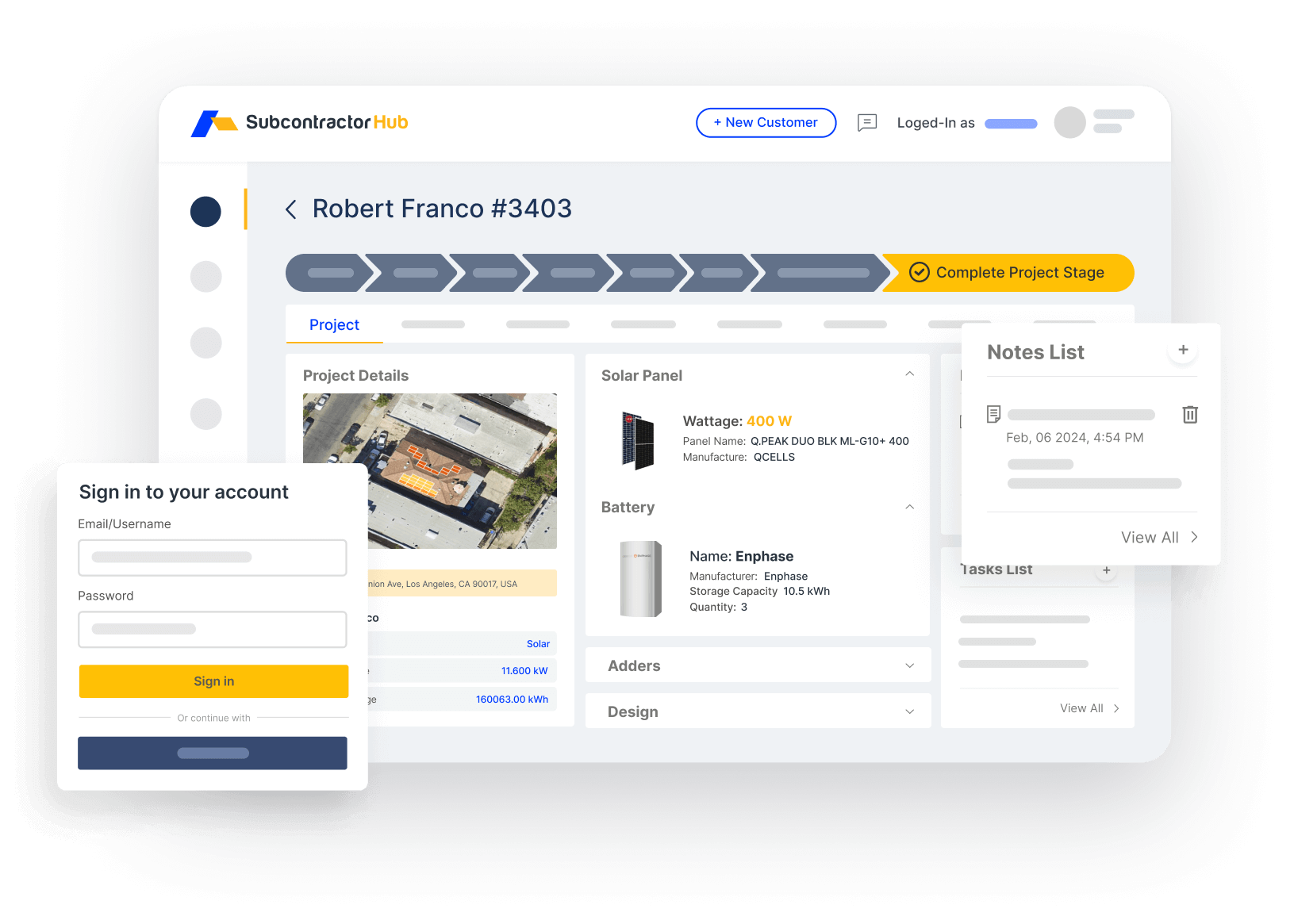
Sales Velocity: every HVAC lead visible in one pipeline from first contact to signed contract
When a job closes, Project Management picks up automatically. All the details from the proposal — equipment model, scope, customer notes, financing status — carry over into a ready-to-schedule project. Operations doesn't re-enter anything.
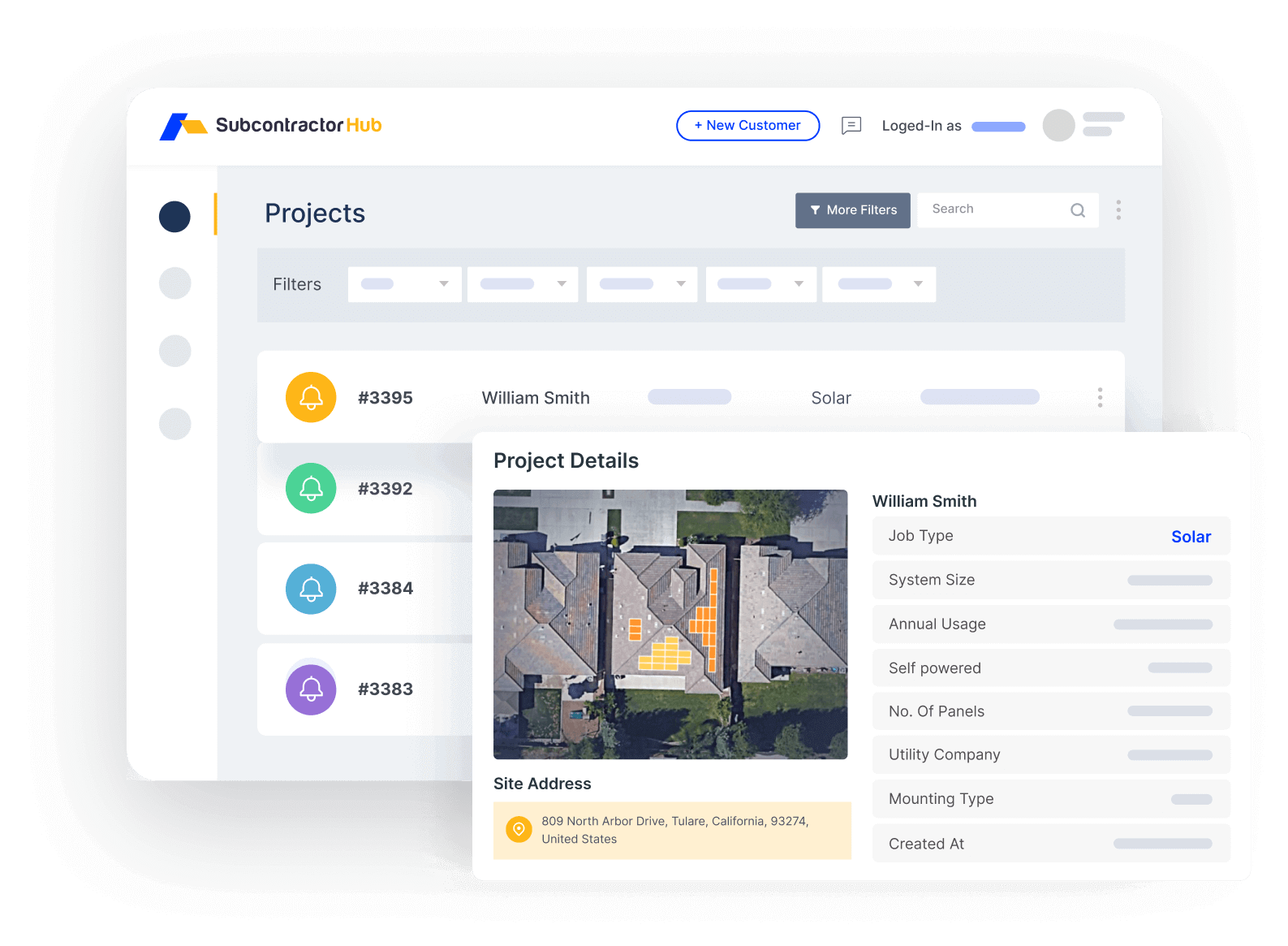
Project Management: track every HVAC install from equipment order and permit through commissioning and final sign-off
And because SubcontractorHub is built for all three trades, HVAC contractors adding solar or roofing don't need a new platform. Your team already knows the tool. Your data stays where it is. You just turn on the new trade.
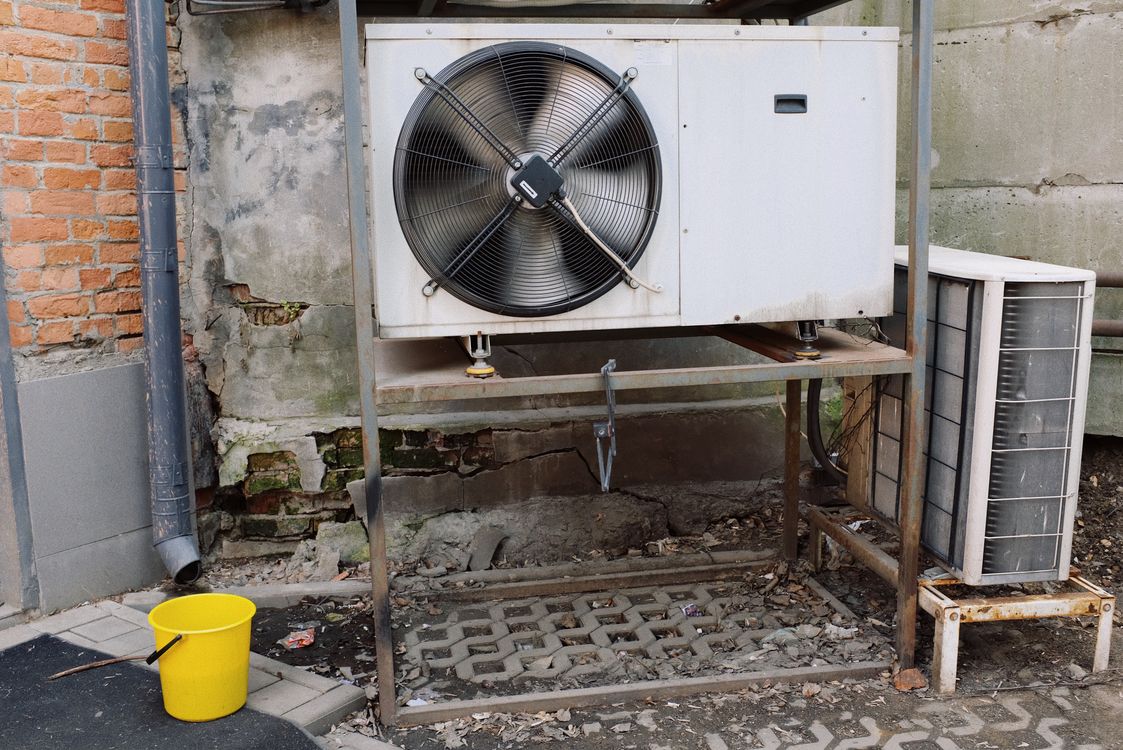
HVAC service management software for installation teams tracks the full job lifecycle — from signed proposal to condenser installation and commissioning.
Who SubcontractorHub Is NOT For
We'd rather lose a deal than have the wrong customer. SubcontractorHub is not the right call if:
- Your business is primarily reactive service dispatch. If 80%+ of your revenue comes from emergency calls, tune-ups, and same-day repairs, HouseCall Pro or ServiceTitan is a better fit.
- You're a one-tech operation. The platform compounds in value with reps, PMs, and crews. Solo operators have lighter-weight options.
- You need commercial HVAC bidding tools. SubcontractorHub is optimized for residential installation contractors, not commercial bid management or mechanical contracting.
- You need heavy accounting integration at launch. SubcontractorHub focuses on the sales-to-install workflow. If your primary need is deep QuickBooks or accounting automation out of the box, evaluate that integration specifically before committing.
Frequently Asked Questions
What is HVAC service management software?
HVAC service management software is a platform that helps HVAC companies manage scheduling, dispatching, proposals, customer records, billing, and project tracking. For installation contractors specifically, the best platforms also include AI quoting, embedded financing, and sales pipeline management so reps can close jobs on-site before leaving the customer's driveway.
What is the difference between HVAC service software and field service software?
Field service software is optimized for reactive dispatch: a customer calls, a tech goes, the job closes in a few hours. HVAC service management software for installation contractors handles a different beast: a sales cycle, on-site proposals, financing, equipment ordering, permitting, and multi-phase installation tracking. Most field service tools don't do this well.
Does SubcontractorHub handle HVAC service calls as well as installations?
SubcontractorHub is purpose-built for installation businesses. If your business is primarily reactive service calls, a tool like HouseCall Pro or ServiceTitan may be a better fit. If you're running a sales-led installation operation with proposals, financing, and multi-phase projects, SubcontractorHub was built for you.
How much does HVAC service management software cost?
ServiceTitan: $245–$400+/tech/month plus $15,000–$25,000 onboarding. HouseCall Pro: $49–$199/month for small teams. Jobber: $19–$349/month. SubcontractorHub: pricing is based on team size and needs — book a demo to get a number specific to your operation.
Can HVAC service management software integrate with financing?
The best ones embed it. SubcontractorHub connects GoodLeap, Sungage, and LightReach directly inside the proposal so reps present monthly payment options on-site and financing approval status tracks in the same pipeline as the deal. Most field service tools treat financing as an afterthought.
Related Reading
What SubcontractorHub Does for HVAC Contractors
If you're running an HVAC installation operation and tired of stitching together tools that don't talk to each other, SubcontractorHub was built for this problem. Book a demo and see a live workflow in under 30 minutes: AI-assisted quote, financing approval, automatic project creation.
Book a DemoHVAC Software, Service Management, Contractor Tools