
How to Start an HVAC Business in 2026: Costs, Licensing & Step-by-Step Guide
By SubcontractorHub Editorial Team·Published July 2026·Updated October 2026

Quick Answer
How to start an HVAC business begins with the federal refrigerant certification and a state contractor license, then the company papers, insurance, and a written quote before the first install. Licensing is the long item. Set the van and the software up while that paperwork moves. Book a demo to see the quote.
Starting an HVAC company is one of the most durable moves you can make in the trades. Heating and cooling isn't optional — every home and building has a system that eventually breaks, ages out, or needs to get more efficient. That's why the U.S. HVAC market sits above $281 billion and keeps growing 6–7% a year. The opportunity is real, but so are the licensing hurdles and the cash you'll burn before the first invoice clears.
This guide walks through exactly what it takes to launch: real 2026 startup numbers, the licenses and certifications you legally need, how to structure and insure the business, how to price your work, and the tools that let a brand-new owner compete with established shops.
Step 1: Get Licensed and EPA 608 Certified
Licensing is where most new HVAC owners lose the most time, so start here. There are two layers:
- EPA Section 608 (federal). Required to buy and handle refrigerants. The Universal certification covers all equipment types. This is non-negotiable for any HVAC work involving refrigerant.
- State HVAC contractor license. Most states require 2–5 years of documented field experience, a trade exam, and a business-law exam. Requirements vary widely — check your state licensing board first.
Many states also require a contractor's bond and proof of insurance before they issue the license. The full process commonly takes 3–6 months, so file paperwork the moment you decide to go independent — everything else in this guide can happen while you wait.
Step 2: Choose a Business Structure and Set Up the Basics
For the vast majority of new HVAC owners, an LLC is the right call — it protects your personal assets and gives you tax flexibility without the overhead of a full corporation. Once the entity is formed, knock out the administrative basics:
- Get an EIN from the IRS (free, takes minutes online)
- Open a dedicated business bank account and credit card — never mix personal and business funds
- Register for state and local business licenses and sales tax collection
- Secure a business name, logo, and domain, and claim your Google Business Profile early
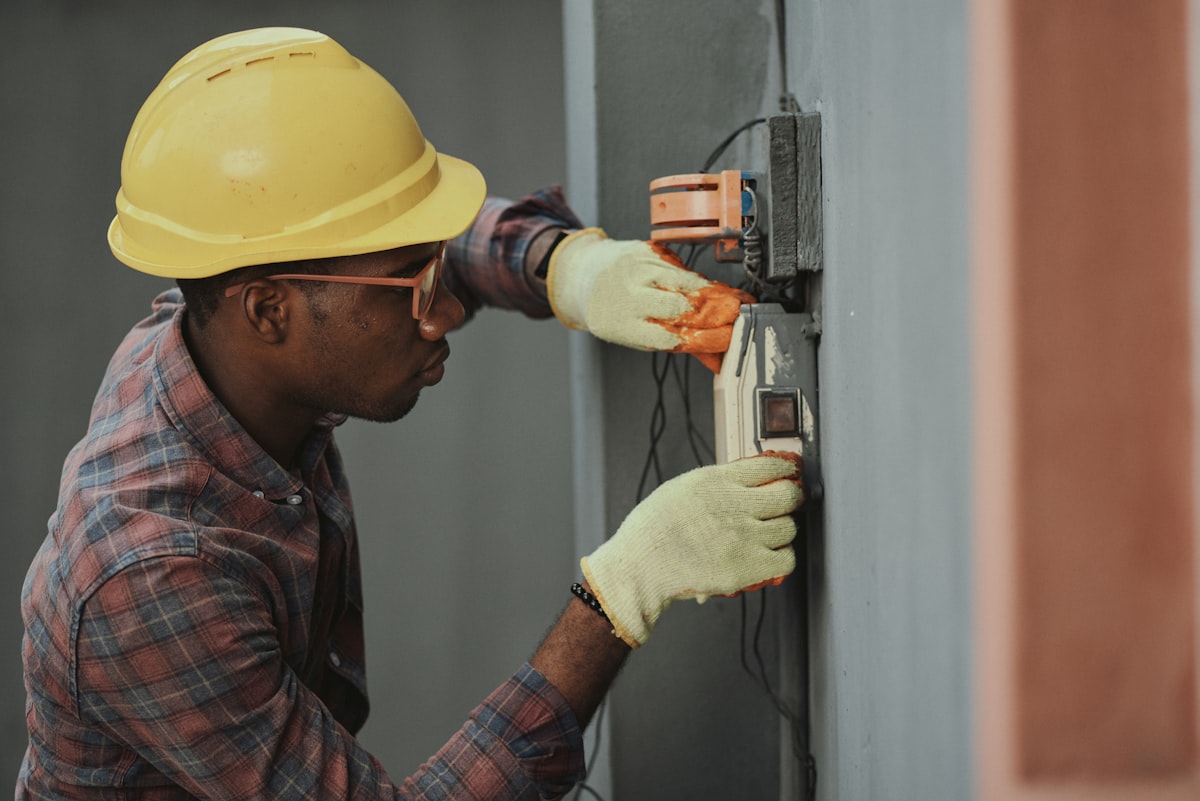
Installation and replacement work carries the highest margins for a new HVAC company.
Step 3: Budget Your Startup Costs
HVAC startup costs in 2026 range widely depending on whether you focus on service or installation. Here's a realistic breakdown:
| Startup model | Typical range | What it covers |
|---|---|---|
| Service-only | $15,000–$35,000 | Used van, basic tools, EPA cert, insurance, working capital |
| Full-service + installs | $40,000–$75,000 | Newer vehicle, full tool set, inventory, software, marketing |
| Premium launch | $75,000–$100,000+ | New wrapped van, stocked inventory, first hire, ad budget |
The biggest individual line items are almost always:
- Service van: $20,000–$40,000 (used to new)
- Tools & equipment: $15,000–$30,000
- Insurance: $3,000–$8,000 per year
- Working capital: $5,000–$10,000 to cover the first months before receivables come in
Not sure what a specific job should net you? Our HVAC service call cost calculator and HVAC financing calculator help you sanity-check pricing and monthly-payment options before you ever quote a customer.
Step 4: Get Insured
Insurance isn't just a licensing requirement — it's what keeps one bad job from ending the business. At a minimum, carry:
- General liability — covers property damage and accidents on the job; usually required for licensing and most contracts
- Workers' compensation — mandatory in most states the moment you have employees
- Commercial auto — for your service vehicles
- Tools & equipment coverage — protects the expensive gear that lives in your van
Step 5: Set Your Pricing and Financing Strategy
Pricing is where new owners leave the most money on the table. Two decisions matter most:
Flat-rate vs. hourly. Flat-rate pricing (a fixed price per task, not per hour) is the industry standard because it removes customer anxiety about a ticking clock and protects your margin when a job runs long. Build a price book once and quote from it every time.
Offer financing from day one. A $12,000 system replacement quoted as a lump sum stalls; the same system presented as "$189/month with approved credit" closes at a far higher rate. Connecting to financing partners like GoodLeap lets you present monthly payments inside the proposal. SubcontractorHub's embedded contractor financing tools surface real approval rates so reps can pre-qualify a homeowner at the kitchen table.

Presenting monthly-payment financing at the point of sale is one of the fastest ways to raise close rates.
Step 6: Get Your First Customers
A licensed, insured HVAC business with no leads is just an expensive hobby. Your first marketing dollars go furthest here:
- Google Business Profile + Local Services Ads — the highest-intent local leads, and LSAs are pay-per-lead
- Referrals and reviews — ask every satisfied customer; a steady review flow compounds
- Neighborhood and D2D — canvassing around completed jobs is still one of the cheapest lead sources in HVAC
- Maintenance agreements — recurring plans turn one-time customers into predictable revenue
For the full playbook, see our HVAC marketing guide and how to get HVAC leads.
Step 7: Put the Right Software in Place Before You Scale
The mistake that quietly caps a new HVAC company's growth is running the business on a spreadsheet, a separate quoting app, and a calendar that don't talk to each other. Every handoff between them is a chance to lose a lead or fumble a job. From your first week, you want a single platform that handles:
- On-site, AI-assisted proposals your reps can build and present on a tablet
- Embedded financing so payment options are part of the pitch, not an afterthought
- A sales CRM to track every lead from first call to signed contract
- Automatic handoff to scheduling and installation once a deal closes
That's exactly what SubcontractorHub's HVAC contractor software was built for. A new owner can quote in the field, present financing, close the job, and schedule the crew — all in one login, with no re-entry between systems. See what SubcontractorHub does for HVAC contractors and our full comparison of the best HVAC sales software to see how the pieces fit together.
How to Start an HVAC Business With a Written Quote
A license and a van do not answer the homeowner who wants the job in writing. The first replacement you sell still needs a page: the equipment you are taking out, the equipment you are putting in, what is excluded, the cash price, and any monthly figure labeled as an estimate until a financing partner approves it.
What belongs on that page is how to write an HVAC proposal. This October 2026 section does not add a startup cost, a market size, or a close rate. Figures earlier on this page were not given a new source. Treat them as planning ranges, not a quote.
- Start the license. Federal refrigerant certification and the state contractor license are the long items.
- Open the company. Structure, bank account, and insurance while the license is in motion.
- Price the first job in writing. Equipment out, equipment in, exclusions, and any monthly figure labeled as an estimate.
- Name the first channels. Local search, referrals, and a maintenance visit you can schedule.
- Keep one record. The quote, the schedule, and the crew should not live in four separate notes.
How to Start an HVAC Business From Here
Starting an HVAC business in 2026 is a licensing marathon followed by a sales sprint. Get your EPA 608 and state license moving on day one, structure the business as an LLC, budget realistically for a van, tools, and insurance, and price your work with flat rates and financing built in. Then win your first customers through local search, referrals, and maintenance plans — and run the whole operation on software that connects quoting, sales, financing, and scheduling instead of fighting four disconnected tools. Do that, and you're positioned to take real share in a $281B market.
Frequently Asked Questions
How much does it cost to start an HVAC business in 2026?
Between $15,000 and $100,000+. A service-only launch runs $15,000–$35,000, a full-service company doing installs runs $40,000–$75,000, and a premium setup with a new van and inventory can top $100,000. Van, tools, insurance, and working capital are the biggest costs.
What licenses do you need to start an HVAC business?
An EPA Section 608 Universal certification (federal, for refrigerant handling) plus, in most states, a state HVAC contractor license that requires field experience and passing trade and business-law exams. You'll usually also need a business license, a bond, and insurance.
Is an HVAC business profitable?
Yes. The HVAC market is worth $281B+ and growing 6–7% a year. Well-run companies net 10–20% margins, with installation and replacement work outperforming repair calls and maintenance agreements adding recurring revenue.
What software do you need to run an HVAC business?
A platform that handles quoting, a sales CRM, financing, scheduling, and job management in one place. SubcontractorHub combines AI proposals, embedded financing, a sales pipeline, and installation project management so a new owner isn't stitching together separate tools.
How long does it take to start an HVAC business?
Plan on 3–6 months from decision to first job, with licensing and EPA certification as the longest lead items. Forming the LLC, buying a van and tools, and setting up software can all happen in parallel within a few weeks.
SubcontractorHub
See How Top Contractors Close More Jobs
AI proposals, sales pipeline, and project management — all in one platform.
- ✓AI-powered proposals in the field
- ✓CRM built for contractor sales
- ✓Project tracking from sale to install
30 minutes. No commitment.