
HVAC Marketing Guide 2026: From Lead to Signed Job
By SubcontractorHub Editorial Team·Published July 2026 · Updated October 2026

Bottom line up front: Most HVAC marketing failures aren't channel problems — they're conversion problems. Contractors spend on leads, then lose them to slow proposals, no financing option, or a three-day follow-up. Fix your close rate before scaling ad spend, or you're just buying more leads to lose.
HVAC is one of the most competitive local service categories in paid search. Average cost-per-click for “HVAC near me” keywords ranges from $15–$45 in most US markets — and those are just clicks, not leads. Without a clear marketing strategy, it's easy to spend $3,000/month on ads and have nothing to show for it at the end of the quarter.
This guide covers the marketing channels that actually produce revenue for HVAC contractors in 2026 — with realistic budgets, conversion benchmarks, and an honest assessment of what works and what doesn't at each stage of growth.
1. Google Business Profile: Your Highest-ROI Starting Point
Before running a single paid ad, make sure your Google Business Profile (GBP) is fully built out. GBP is free, appears prominently in local search results, and is often the first thing a homeowner sees when their AC goes out and they search “HVAC company near me.”
The benchmarks that actually move GBP ranking: 50+ reviews with a 4.5+ rating, complete service and service area listings, weekly Posts activity, and photos of real work. GBP profiles with consistent review volume and photo updates appear 2–3x more frequently in the local 3-pack than neglected listings.
The single highest-leverage action most HVAC companies can take is building a repeatable review request process. Send a review link via text message immediately after every job completion. A template works: “Hi [Name], thanks for choosing [Company]. Would you mind leaving us a quick Google review? It really helps: [link].” Companies that do this consistently add 15–30 reviews per month — which compounds dramatically over 12 months.
2. Google Local Services Ads: The Demand-Capture Channel
Google Local Services Ads (LSAs) are purpose-built for HVAC. They appear at the very top of search results — above paid search ads and organic listings — with a Google Guaranteed badge that drives trust. You pay per verified lead, not per click, which means you only pay when a real homeowner calls or messages.
HVAC LSA cost per lead typically runs $25–$80 depending on market and season. Summer (emergency AC calls) and winter (no-heat calls) drive the highest lead volume at the highest cost. Spring and fall are cheaper — good seasons to build the habit before peak hits.
Start with a $1,500–$2,500/month LSA budget and track cost per acquired job, not cost per lead. If your team closes 40% of leads and average job revenue is $8,000, a $60 CPL that converts to a $3,200 CPAJ is an excellent marketing investment. LSA is the highest-priority paid channel for HVAC contractors who haven't run it yet.

Every marketing channel should be measured by cost per acquired job — not cost per click or cost per lead
3. Google Paid Search (PPC): For Markets Where LSA Inventory Is Limited
Google Search Ads (standard PPC) run below LSAs in the results but still above organic listings. They're appropriate when your LSA budget is maxed and you want additional coverage, or when targeting specific service types (like commercial HVAC or mini-split installations) that LSA doesn't segment well.
For most HVAC contractors, PPC requires a specialist to manage — bidding, negative keywords, and landing page testing are where inexperienced campaigns bleed budget. If you can't allocate $3,000–$5,000/month in ad spend plus $800–$1,500/month in management fees, run LSA instead until you're ready for both. PPC at under $2,000/month in most markets is too thin to optimize against.
4. Facebook and Instagram Ads: Maintenance and Seasonal Campaigns
Facebook and Instagram don't work for HVAC emergency demand — homeowners don't scroll Instagram when their heat is out. But social ads work well for proactive service marketing: tune-up specials, maintenance agreements, filter subscription programs, and seasonal promotions to existing customers.
The highest-converting HVAC Facebook campaign types are: video testimonials from satisfied replacement customers, before/after installation photos, and limited-time seasonal offers (“Summer AC tune-up — $89, this week only”). Target by ZIP code and homeowner status. Cost per lead for maintenance campaigns runs $50–$150.
Use Facebook retargeting to reach homeowners who visited your website but didn't convert. These are warm audiences who already know your brand — retargeting CPL is typically 40–60% lower than cold audience campaigns.
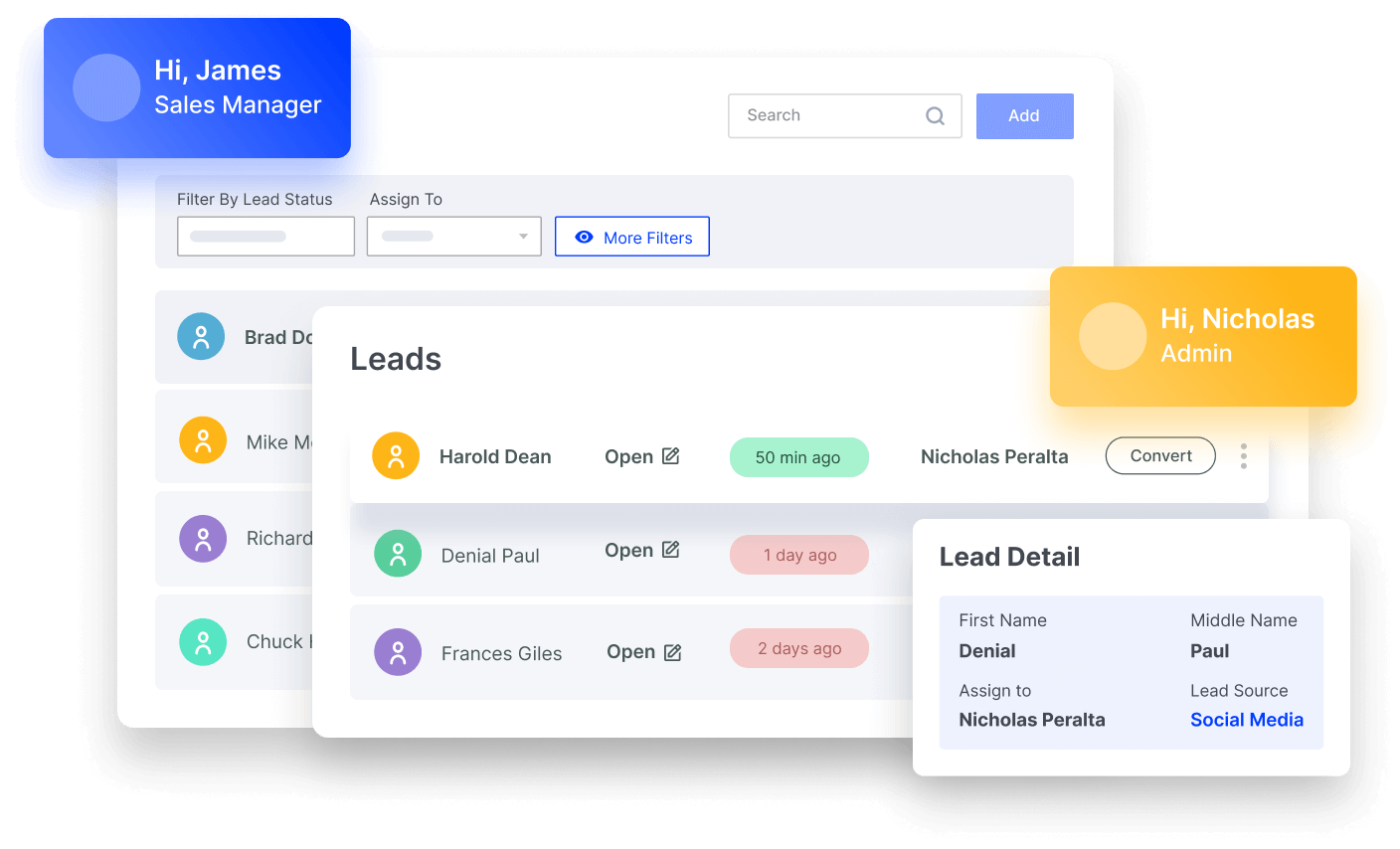
Marketing gets leads in the door — field proposal software closes them. Same-day proposals close at 40–60% higher rates than emailed follow-ups
5. Email Marketing: Monetizing Your Existing Customer Base
Email is not a lead generation channel — it's a customer retention and lifetime value channel. For HVAC, the highest-ROI email campaigns are:
- Seasonal tune-up reminders — sent 6–8 weeks before peak season (April for cooling, September for heating). Subject line: “Is your AC ready for summer? Schedule a tune-up now.”
- Service agreement renewal campaigns — automated sequence starting 60 days before expiration. Include the value recap: how many visits, filters changed, any issues caught.
- System age alerts — trigger when a customer's equipment reaches 10–12 years. “Your system is approaching end-of-life. Here's what replacement options look like.”
- Post-install follow-ups — 3–5 days after installation, request a review and introduce referral program.
A list of 1,000 active customers with these four campaigns running can generate $30,000–$80,000 in annual revenue from tune-ups and replacements — at near-zero incremental cost once the sequences are built. Email is the highest-ROI channel most HVAC companies are underusing.
6. Referral Programs: Your Cheapest Lead Source
A referred lead closes at 2–3x the rate of a cold inbound lead and has 30–50% higher lifetime value. Most HVAC companies get referrals passively — satisfied customers mention them to neighbors — but few have a structured program that systematically amplifies it.
A simple referral program: $100 bill credit or Visa gift card for every qualified referral that becomes a paying customer. Launch it in your post-install follow-up email, mention it at every service agreement renewal, and train your techs to mention it at the end of every maintenance visit. Track it in your CRM. Companies that formalize referral programs typically see a 20–40% increase in referred revenue within the first 6 months.
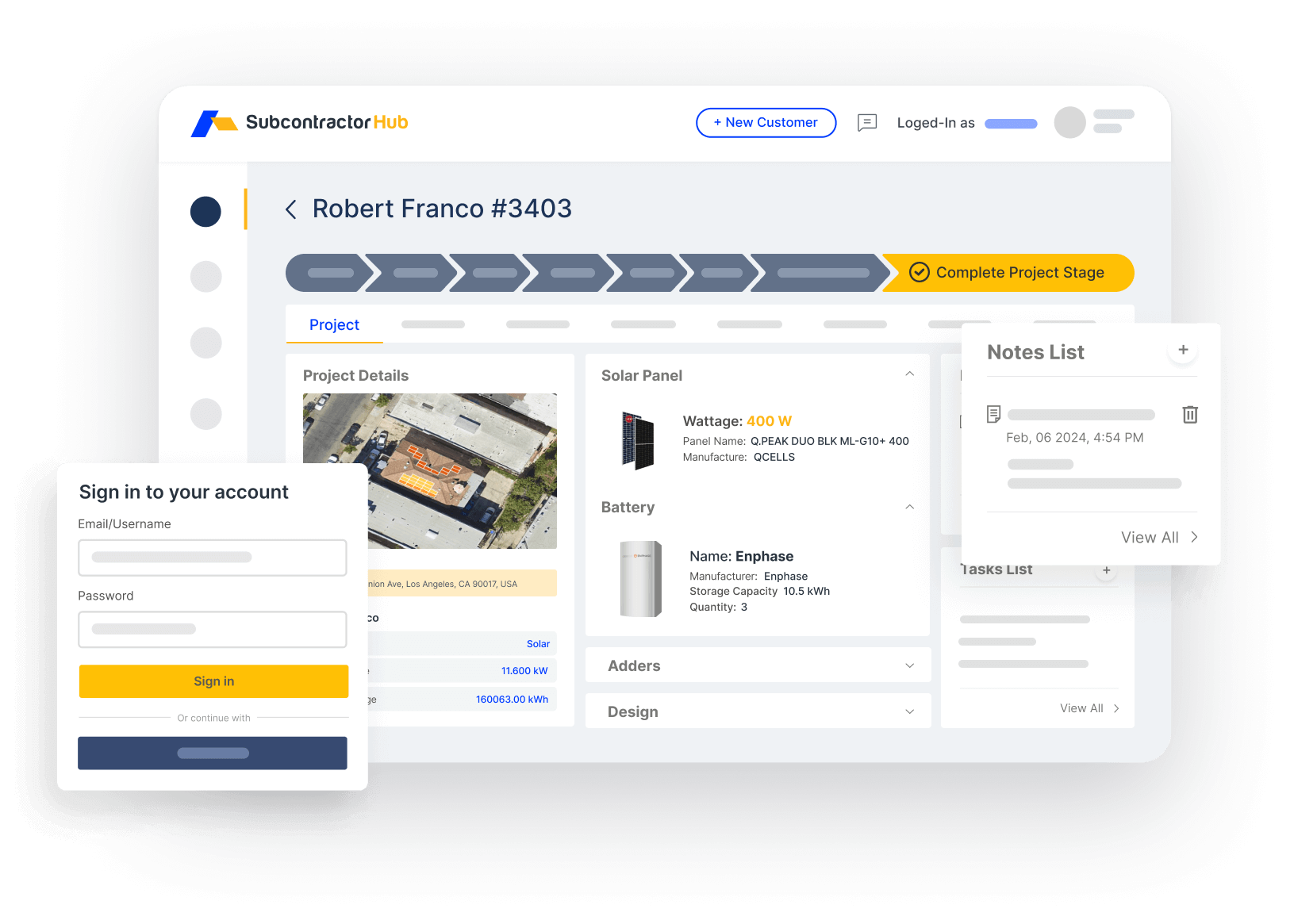
Sales Velocity by SubcontractorHub: every lead from every marketing channel visible in one pipeline — so no deal slips through the cracks
7. The Marketing-to-Close Gap: Why Leads Die Before They Convert
Most HVAC marketing fails at the handoff from marketing to sales — not in the ad itself. A homeowner calls from an LSA, gets voicemail, calls a competitor, and converts there. Or they request a quote, wait three days for a proposal, get impatient, and book the company that showed up the next day with pricing in hand.
The marketing improvements that most improve conversion rates are operational, not advertising:
- Answer every call — or have an answering service for after-hours. Missed calls are the single biggest conversion drain.
- Propose on the spot — field proposal software lets reps close same-day. Close rates on same-day proposals run 40–60% higher than emailed follow-ups.
- Offer financing in every proposal — homeowners who hear a monthly payment option instead of a $12,000 cash price close at 20–40% higher rates.
- Follow up systematically — a CRM with automated follow-up sequences prevents leads from falling through the cracks between site visit and proposal delivery.
HVAC contractor software that connects marketing leads, field proposals, financing, and pipeline management in one system is what separates contractors who close 35% of leads from those who close 55%.
HVAC Marketing Budget: What to Spend at Each Stage
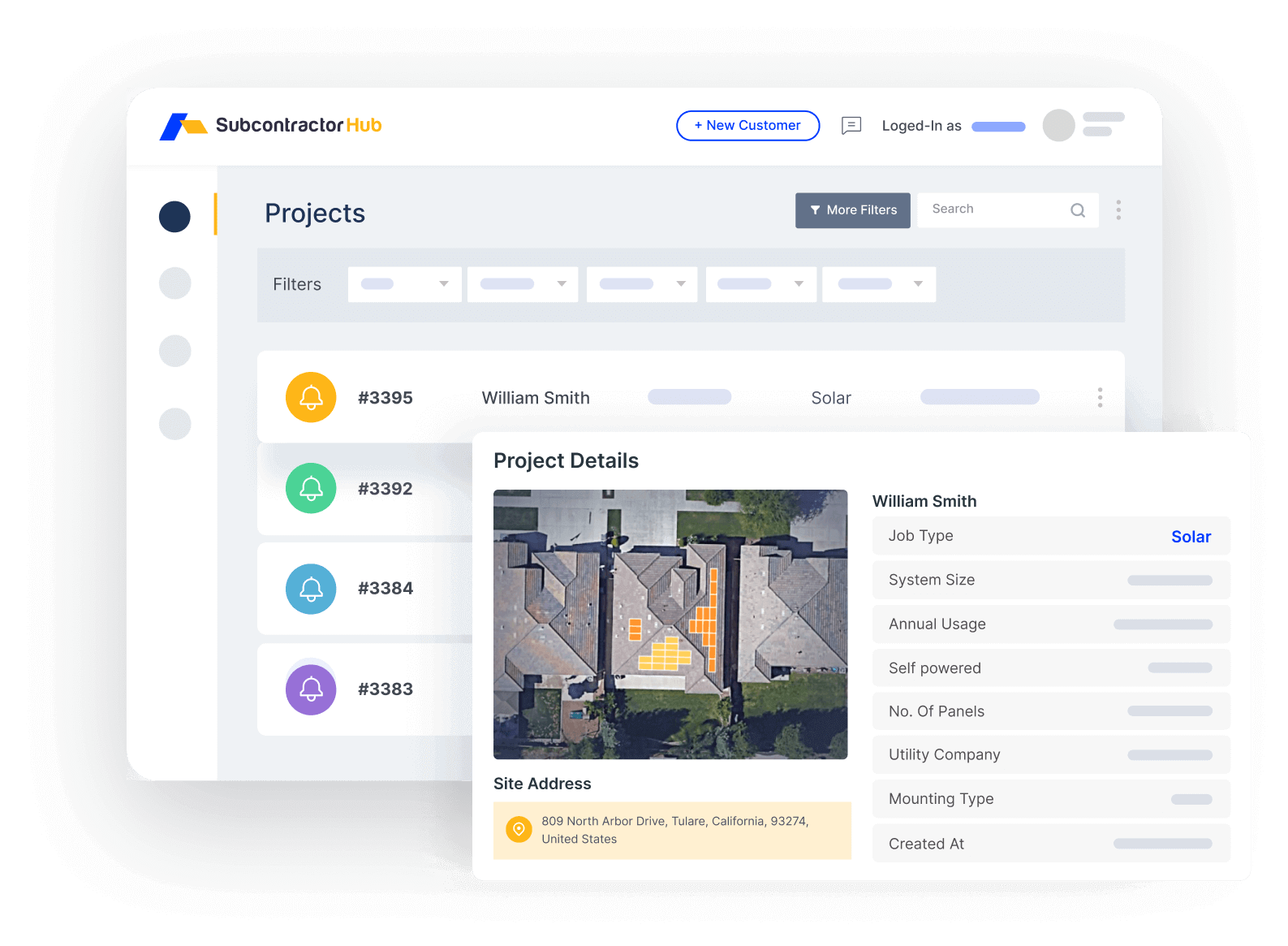
When marketing works and a deal closes, SubcontractorHub automatically creates the installation project — no re-entry between sales and operations
An HVAC Marketing Guide Has to End on a Proposal
An HVAC marketing guide that stops when the phone rings is a lead guide. The homeowner still has to see equipment, scope, exclusions, and a price they can sign. Channels differ. The last page should not. Google Business Profile, Local Services Ads, search ads, email, and referrals all fail the same way when the offer lives in a text thread instead of a document.
Write the proposal in the visit. Name the model, the work you will not do, and a monthly figure only as an estimate until a financing partner approves it. How that page is built is in how to write an HVAC proposal. How the monthly figure should be labeled is in how to offer HVAC financing. A maintenance plan after the install is a second offer, covered in the HVAC service agreement and in how to sell HVAC maintenance agreements.
Use this HVAC marketing guide to pick the channel. Then judge the channel by signed jobs you can see, not by a spreadsheet of names. Speed still matters. A lead that waits for an office proposal is a lead your competitor can reach first. The fix is a page the tech can finish in the house, with the same scope the install crew will read.
Do not add a new close-rate target or a new cost-per-lead target to make the channel look proven. Older budget notes on this page are planning ranges, not a promise about your market. The October 2026 update is the handoff: marketing spends money to create a conversation, and the HVAC marketing guide is unfinished until that conversation has a signature line. Keep this HVAC marketing guide next to the proposal your techs actually send. SubcontractorHub is where that signed page becomes the install job.
Frequently Asked Questions
What is the best marketing strategy for an HVAC company?
The highest-ROI marketing stack for most HVAC companies is: a fully optimized Google Business Profile with 50+ reviews, Google Local Services Ads for demand capture, a review generation system, and a referral program. Run these four before adding paid social or email campaigns.
How much should an HVAC company spend on marketing?
Target 5–10% of gross revenue. At $1M revenue, that's $50,000–$100,000 per year. Track cost per lead and cost per acquired job by channel — not just total spend — to allocate budget toward what converts.
Do Google Local Services Ads work for HVAC?
Yes — LSAs are one of the highest-converting paid channels for HVAC because they capture demand-triggered searches with immediate purchase intent. You pay per verified lead, not per click. Average CPL runs $25–$80. Start at $1,500–$2,500/month and scale based on your close rate.
Is Facebook advertising worth it for HVAC companies?
Facebook works for proactive service marketing — tune-ups, maintenance agreements, seasonal promotions — not emergency demand capture. That belongs on Google. Run Facebook retargeting against website visitors for the lowest CPL.
How does email marketing help HVAC businesses?
Email is the highest-ROI channel for monetizing your existing customer base. Seasonal reminders, service agreement renewals, and system age alerts can generate $30,000–$80,000+ annually from 1,000 customers at near-zero incremental cost.
How do I get more HVAC leads from my Google Business Profile?
Complete every GBP field, post weekly updates, send a review request text after every job, and respond to every review. Profiles with 50+ reviews and consistent posting get 2–3x more calls than neglected profiles.
What should an HVAC marketing guide include after the lead comes in?
A path from the channel to a proposal the homeowner can sign: equipment, scope, exclusions, a cash price, and any monthly figure labeled as an estimate until financing is approved. Count signed jobs you can open later, not only leads. Maintenance after the install is a separate offer.
Related Guides
- How to Start an HVAC Business in 2026: Costs & Licensing
- How to Get HVAC Leads in 2026: 9 Channels That Work
- How to Grow an HVAC Business in 2026
- Construction Marketing Guide 2026
- How to Write an HVAC Proposal
- How to Offer HVAC Financing
- How to Sell HVAC Maintenance Agreements
- Best HVAC CRM Software in 2026
- Best HVAC Sales Software in 2026
- Best HVAC Software for Contractors in 2026
- How Much Does HVAC Software Cost?
- → HVAC Contractor Software Platform
- → SubcontractorHub for HVAC
- Scorpion for Contractors: What You're Paying For
- HVAC Technician Salary Guide 2026 (BLS Data)
- Embedded Contractor Financing
What SubcontractorHub Does for HVAC Contractors
30-minute demo. See AI proposals, sales pipeline, embedded financing, and project management for an HVAC installation business.
Book a DemoHVAC Marketing, Contractor Growth, Lead Generation
SubcontractorHub
See How Top Contractors Close More Jobs
AI proposals, sales pipeline, and project management — all in one platform.
- ✓AI-powered proposals in the field
- ✓CRM built for contractor sales
- ✓Project tracking from sale to install
30 minutes. No commitment.