
How to Grow an HVAC Business in 2026: 7 Strategies That Actually Work
By SubcontractorHub Editorial Team·Published July 2026 · Updated October 2026

Bottom line up front: Most HVAC businesses don't fail because they can't find customers — they fail because they underprice jobs, lose deals that field proposals would have closed, and never build the recurring revenue base that smooths out seasonal swings. Fix those three things before spending another dollar on marketing.
The U.S. HVAC market is projected to reach $82 billion by 2030. The demand is there. But over 60% of HVAC businesses report stagnant or declining margins, and about 20% fail in any given year. The difference between HVAC companies that grow and those that plateau usually isn't lead volume — it's everything that happens after the lead comes in.
This guide covers seven practical strategies for growing an HVAC business in 2026, ordered by where most contractors get the fastest return.
1. Fix Your Pricing Before You Try to Grow
Most HVAC businesses underprice by 20–30%, and they don't realize it until the numbers are examined carefully. The symptom is high revenue with thin or negative profit margins.
Start here: if your overhead costs (rent, insurance, vehicles, admin, owner salary) are more than 35% of gross revenue, your job pricing isn't covering overhead. Target gross profit of at least 40% on every job, and net profit of 10–20%. If those numbers look bad, fix pricing before generating more leads — marketing your way out of a pricing problem just burns cash faster.
2. Build Recurring Revenue with Service Agreements
HVAC businesses that grow consistently almost always have a strong maintenance agreement program. Service agreements create predictable monthly revenue that doesn't depend on seasonal demand, and they generate replacement leads from the inside — when your tech finds a 15-year-old system during a maintenance visit, they're already in front of the customer with an established relationship.
Customers on maintenance plans have 3–5x the lifetime value of one-time service customers. Start with a simple two-visit annual agreement at $150–$250/year. Build the pitch into every install and every service call. Track active agreements as a core business metric. Even 200 maintenance agreement customers represents $30,000–$50,000 in guaranteed annual revenue.
3. Close More Jobs by Proposing on the Spot
The single biggest close rate improvement most installation HVAC companies can make is eliminating the delay between site visit and proposal delivery. When a rep visits a home, collects system details, drives back to the office, builds a quote, and emails it three days later — they're losing deals to competitors who showed up the next day with a proposal in hand.
Field proposal tools let reps build a complete, branded HVAC proposal on a tablet at the customer's home — multiple equipment tiers, financing options, and a digital signature — without leaving the driveway. Close rates on same-day proposals typically run 40–60% higher than emailed follow-up quotes.
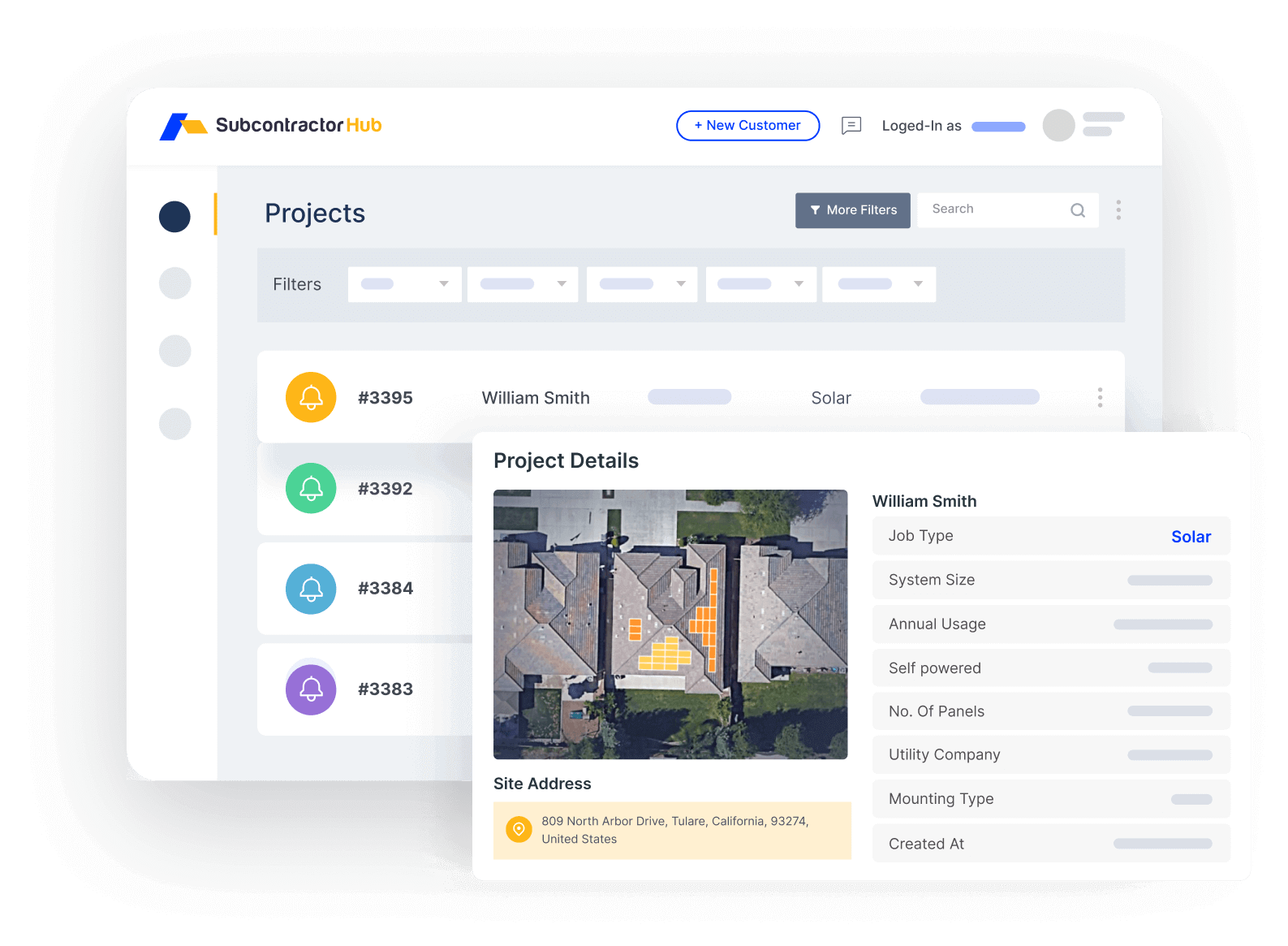
EasyQuote by SubcontractorHub: build a complete HVAC proposal on a tablet at the job site, including equipment options and financing — and close before you leave
HVAC contractor software built for installation businesses connects field proposals to your sales pipeline automatically — no re-entry when a job closes.
4. Embed Financing in Every Proposal
HVAC system replacements are expensive — often $8,000–$18,000 for a full system install. When a homeowner hears that number as a lump sum, many hesitate or shop around. When they hear “starting at $149/month for 120 months,” the conversation changes.
Contractors who offer financing at the point of sale — during the proposal, not after — close 20–40% more of the jobs they quote. The key is embedding financing inside the proposal itself, not as a separate step. When the customer sees monthly payment options right next to the equipment tiers, you never lose a deal to “I need to think about the price.”
5. Get Pipeline Visibility with a CRM
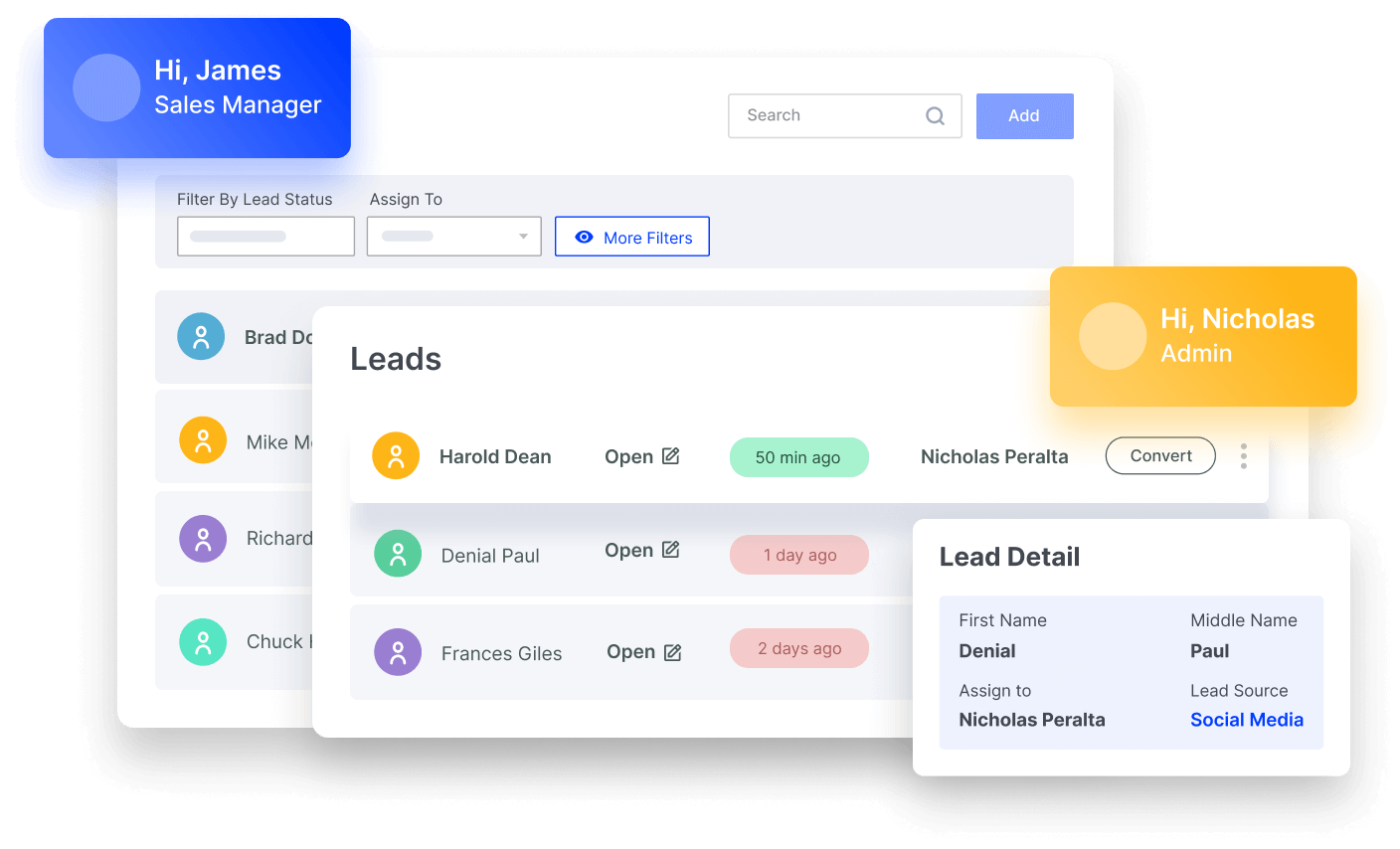
When a manager asks “where does that Smithfield lead stand?” and the answer is “I think Mike emailed them” — you have a pipeline problem. Most growing HVAC businesses reach a point where the informal follow-up system breaks: leads fall through the cracks, reps forget to follow up, and nobody has visibility into what's about to close.
Sales Velocity: every open HVAC lead, proposal sent, and financing application visible in one pipeline view — so no deal slips through the cracks
An HVAC CRM gives every lead a stage, every proposal a status, and every rep accountability. Managers can see at a glance which deals are stalled and where to intervene. Companies that implement a CRM typically see 15–25% improvement in close rates within the first quarter — not because they're generating more leads, but because they stop losing the ones they already have.
6. Invest in Local SEO and Your Google Business Profile
For local HVAC companies, your Google Business Profile is the highest-ROI marketing asset available — and it's free. Contractors with complete, actively managed GBP listings get 2–3x more calls than competitors with neglected profiles.
Complete your profile (photos, services, service area, hours). Post weekly updates. Ask every customer for a review immediately after job completion — a simple text message template works well. Target 50+ reviews as your baseline before spending heavily on paid ads. Google Local Services Ads are also worth running once your GBP is strong: they put you at the top of results with a pay-per-lead model and a Google Guaranteed badge that increases trust.
7. Use Technology to Scale Without Just Hiring
Hiring is the most expensive growth lever. Every new technician adds fixed costs regardless of job volume. The companies growing fastest in HVAC right now are using technology to get more output from the team they already have — not just adding headcount. When you do add a truck, treat hiring as a pipeline; our guide on how to recruit HVAC technicians covers referrals, trade schools, job posts and onboarding.
AI-powered scheduling, field proposals that eliminate back-office work, and project management that automatically creates installation projects when deals close — these compound over time. A team of 5 using the right tools can often out-execute a team of 8 running on spreadsheets and phone calls.
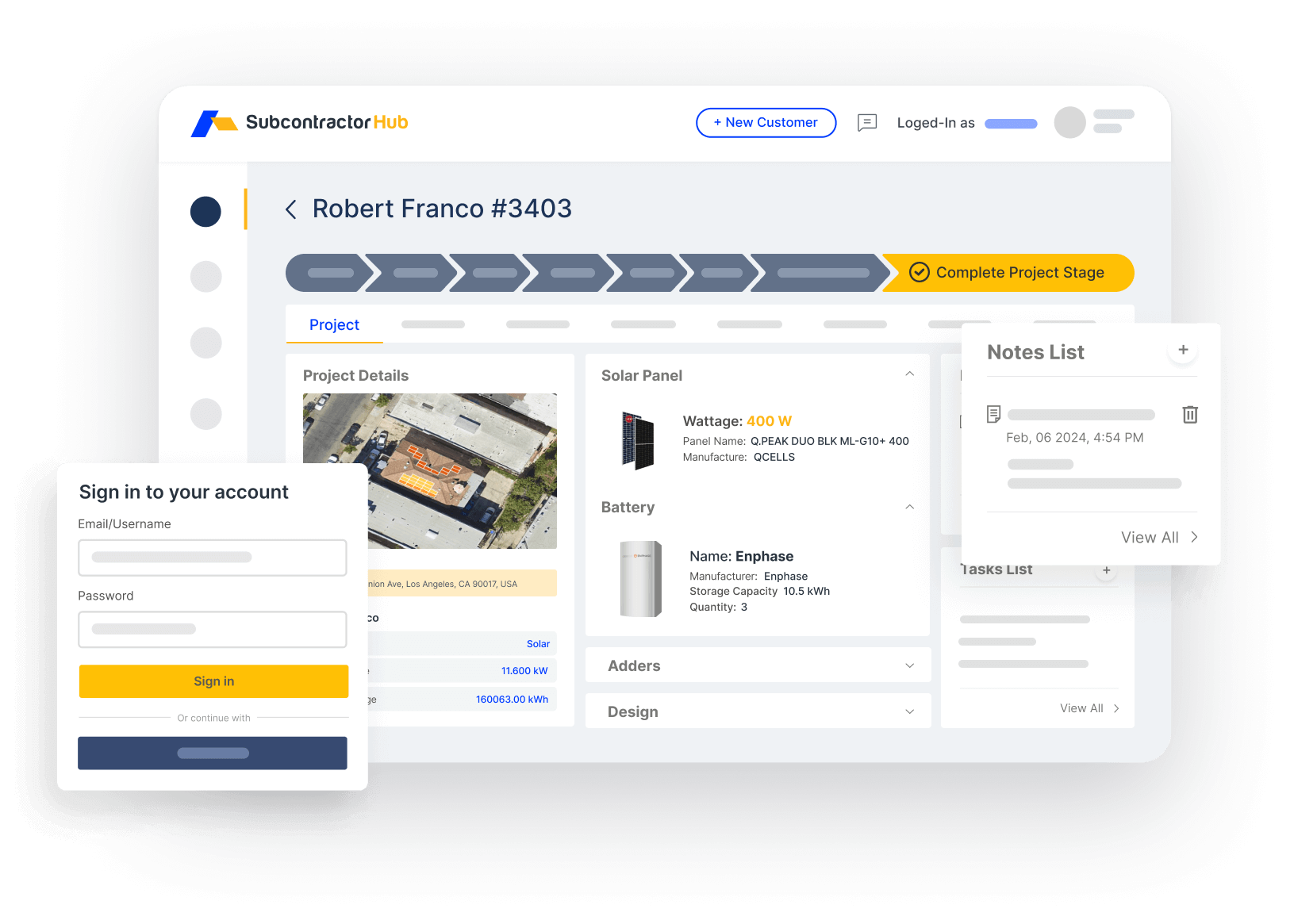
Project management built for HVAC installations: permit, equipment delivery, crew scheduling, and inspection — all in one view
What Growing HVAC Companies Do Differently with Software
Most HVAC companies that hit a growth ceiling are running 3–5 disconnected tools: a spreadsheet for leads, a separate quoting tool, a scheduling app, and a finance platform that doesn't connect to any of them. The hidden cost is the re-entry time and the deals that get dropped in the handoffs.
The companies that scale fastest use a single platform that covers the entire job cycle. When a rep closes a deal, the project is automatically created in operations. When financing is approved, it tracks in the same pipeline. When a technician completes an install, it marks the stage in the same system the sales manager is looking at.
SubcontractorHub for HVAC contractors connects AI proposals, sales CRM, embedded financing, and installation project management in one platform — built specifically for contractors who sell and install systems, not just run service calls.
What Changed for HVAC Operators Going into Late 2026
The seven strategies above still describe how an installation company grows. What tightened through 2026 is the handoff after the lead. A proposal built on site, a financing status, an install schedule and a service agreement often still live in separate tools. Shops that reconcile them by hand spend the shoulder season finding jobs that were sold and never scheduled, or agreements that lapsed because nobody owned the renewal.
Going into late 2026, the practical change is to keep that chain on one customer record. The rep closes with equipment options and a monthly payment on the tablet. The sold job becomes an installation project without retyping the scope. The maintenance agreement, the renewal date and the replacement conversation that starts on a tune-up sit on the same account. That is an operating description. It is not a claim that any of those steps produces a specific close-rate or revenue lift.
Hiring has not gotten simpler, and software does not replace a technician. When you do add a truck, the guide on how to recruit HVAC technicians still applies. SubcontractorHub for HVAC is the place those proposals, the pipeline and the install schedule are meant to meet. Service-agreement follow-up belongs in the same system as the sale, which is the point of a service agreement workflow rather than a second spreadsheet.
Frequently Asked Questions
How do I grow an HVAC business fast?
The fastest lever for most HVAC businesses is improving close rates, not generating more leads. Add field proposal software so reps close on-site, embed financing in every proposal, and implement a CRM so no deal slips through. These changes compound quickly and don't require new hires.
What is the best way to market an HVAC business?
A well-maintained Google Business Profile combined with Google Local Services Ads captures homeowners at the exact moment of need. Beyond paid search, referral programs and service agreement renewals are the lowest-cost ways to drive repeat and referral revenue from existing customers.
How do HVAC service agreements help business growth?
Service agreements convert one-time customers into recurring annual revenue and increase lifetime value by 3–5x. They also generate replacement leads from within your existing customer base — when your tech finds an aging system during a maintenance visit, they're already in front of the customer with an established relationship.
What software do successful HVAC companies use?
Growing HVAC installation companies use platforms that connect field proposals, sales CRM, financing, and project management in one place. SubcontractorHub is purpose-built for this — AI proposals reps close on-site, embedded financing, and automatic project creation when deals close.
How much profit should an HVAC business make?
Target 10–20% net profit margin. Most HVAC companies below 10% are losing margin to underpriced jobs, inefficient field operations, or low close rates on proposals. Fix pricing and close rates before growing revenue — marketing your way out of a pricing problem just burns cash faster.
Related Guides
- HVAC Marketing Guide 2026: Channels, Budgets & What Works
- How to Start an HVAC Business in 2026: Costs & Licensing
- How to Get HVAC Leads in 2026: 9 Channels That Work
- How to Grow a Roofing Business in 2026: 7 Strategies
- Best HVAC Software for Contractors in 2026 (Full Comparison)
- Best HVAC CRM Software in 2026
- Best HVAC Sales Software in 2026
- How Much Does HVAC Software Cost in 2026?
- Best HVAC Service Agreement Software in 2026
- Best Housecall Pro Alternatives
- Best ServiceTitan Alternatives
- → SubcontractorHub for HVAC Contractors
- → HVAC Contractor Software Platform
- Embedded Contractor Financing
What SubcontractorHub Does for HVAC Contractors
30-minute demo. See AI proposals, sales pipeline, embedded financing, and project management for an HVAC installation business.
Book a DemoHVAC Business, Contractor Growth, HVAC Software
SubcontractorHub
See How Top Contractors Close More Jobs
AI proposals, sales pipeline, and project management — all in one platform.
- ✓AI-powered proposals in the field
- ✓CRM built for contractor sales
- ✓Project tracking from sale to install
30 minutes. No commitment.