
How to Offer Roofing Financing to Customers in 2026: A Contractor's Guide
By SubcontractorHub Editorial Team·Published July 2026 · Updated October 2026

Quick Answer
The fastest way to offer roofing financing is to partner with a third-party lender (like GoodLeap, Service Finance, or Foundation Finance), present monthly payment options inside your proposal, and get funded upfront while the lender carries the repayment risk. The roofers who win with financing don't treat it as a separate paper application — they build it into the quote so the homeowner sees a monthly payment, not a $18,000 lump sum. SubcontractorHub connects financing through FinanceIt and GoodLeap directly to your proposals. Book a demo to see it work.
A roof replacement is one of the biggest unplanned purchases a homeowner ever makes — usually somewhere between $8,000 and $25,000, and often more for metal, tile, or a steep multi-layer tear-off. It also tends to land at the worst possible time: right after a storm, or the moment a leak shows up on the ceiling. When the only option you put in front of them is “pay in full today,” a lot of those homeowners stall, patch the old roof, or call the competitor down the street who offers payments.
Offering customer financing fixes that. This guide walks through how roofing financing actually works, the difference between in-house and third-party programs, how to present it so customers say yes, and how to wire it into your roofing sales process so it lifts revenue instead of adding paperwork.
Why Roofing Contractors Should Offer Customer Financing
Financing is not a nice-to-have anymore — it is table stakes, especially on retail (non-insurance) replacements. Roughly three out of four homeowners say they are more likely to buy when a monthly payment option is available, and customers who finance tend to spend more per job than those who pay upfront. The reasons are straightforward:
- Bigger average job. A homeowner who balks at an $18,000 total will often approve a $250/month payment for an upgraded architectural-shingle or standing-seam roof instead of choosing the cheapest three-tab patch.
- Fewer stalled deals. Financing removes the “let me wait until I can save up” delay that lets a competitor back in the door before you've installed a single shingle.
- Upsell room. It becomes far easier to move a customer up to better underlayment, a stronger warranty, or premium materials when the difference is a few dollars a month.
- Competitive parity. National brands and the shop across town already advertise “$0 down, low monthly payments.” If you don't, you look more expensive even when your bid is lower.
The upside only shows up, though, if financing is easy to present and easy to approve. A clunky program that reps forget to mention does nothing.
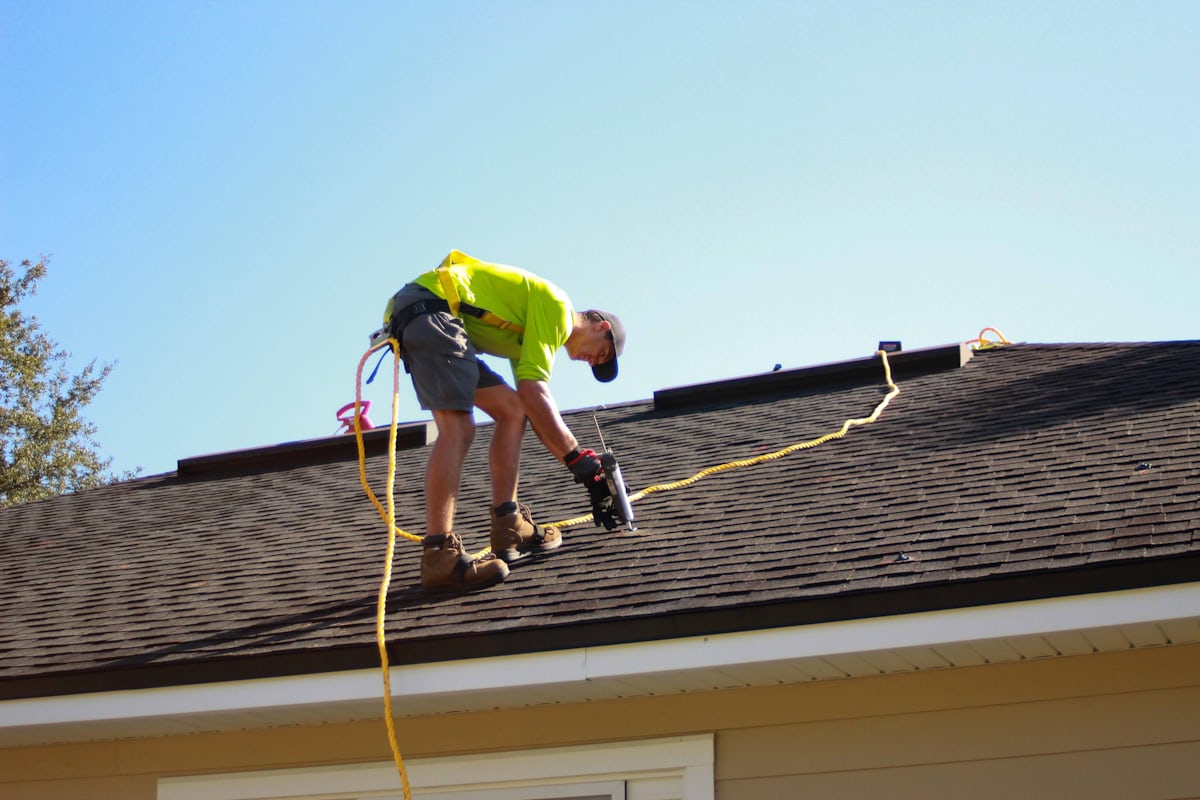
Financing lets homeowners approve upgraded materials and warranties as a monthly payment instead of a large lump sum.
In-House vs. Third-Party Roofing Financing
There are two ways to offer financing, and for the vast majority of roofing shops the choice is clear.
In-House Financing
With in-house financing, you are the lender — the customer pays you directly over time. It gives you full control over terms and keeps you close to the customer, but it puts 100% of the repayment risk on your balance sheet, ties up cash you could be using to buy materials and run crews, and creates real compliance and collections work. It only makes sense for well-capitalized companies with the accounting infrastructure to manage a loan book.
Third-Party Financing (recommended)
With third-party financing you partner with an established lender or financing network. They run the credit check, service the loan, and handle collections — and they pay you upfront, usually within a few days of the job being completed. In exchange, you pay a dealer fee (a percentage of the financed amount) that most roofers build into their pricing. You get paid fast, you carry no repayment risk, and the customer gets a clean monthly payment. This is how most roofing contractors offer financing in 2026.
How to Offer Roofing Financing After You Name the Lender
- Choose your lender partners. Pick at least two so you cover more of the credit spectrum — a prime lender (roughly 640+) plus a near-prime or second-look option keeps your approval rate high. SubcontractorHub connects financing through FinanceIt and GoodLeap, two of the most widely used programs in home services.
- Understand the dealer fee math. Deferred-interest and 0% promos cost you more than standard-rate loans. Know your fee per product and price it into your jobs so the monthly payment looks clean and your margin holds.
- Put financing in the proposal, not on paper. The attach rate lives or dies here. When a rep can show a monthly payment right next to the total inside the quote — and the customer can apply and sign on a tablet at the kitchen table — financing gets used on nearly every deal instead of being forgotten.
- Train reps to offer it every time, at every price tier. Mention financing when booking the inspection, again while walking the roof, and once more when presenting the bid. The more routine it is, the more it closes.
- Track your attach rate. Measure what percentage of jobs use financing and watch it by rep. It's the fastest way to spot who needs coaching and which promos actually move deals.

The highest financing attach rates come from showing monthly payment options directly inside the proposal — not a separate paper application.
SubcontractorHub
See How Top Contractors Close More Jobs
AI proposals, sales pipeline, and project management — all in one platform.
- ✓AI-powered proposals in the field
- ✓CRM built for contractor sales
- ✓Project tracking from sale to install
30 minutes. No commitment.
How to Present Financing So Customers Say Yes
The mistake most roofing contractors make is treating financing as a fallback — they only bring it up after the homeowner flinches at the price. By then it reads as a rescue plan for a deal that's already slipping. Instead, present the monthly payment as the default option from the start:
- Lead with the monthly number. “This upgraded architectural-shingle roof is about $240 a month” lands very differently than “$17,500 total.”
- Show good/better/best options each as a monthly payment so the upgrade feels like a small step, not a big jump.
- Let them apply and sign on the spot. Momentum matters — a same-visit approval closes far more often than “I'll send you the application.”
This is exactly why financing belongs inside your roofing proposal software rather than in a separate lender portal. The rest of that document, from scope and materials through the signature, is how to write a roofing proposal. When the payment options live in the same quote your rep is already presenting, offering financing costs zero extra effort — and that's what drives the attach rate up.
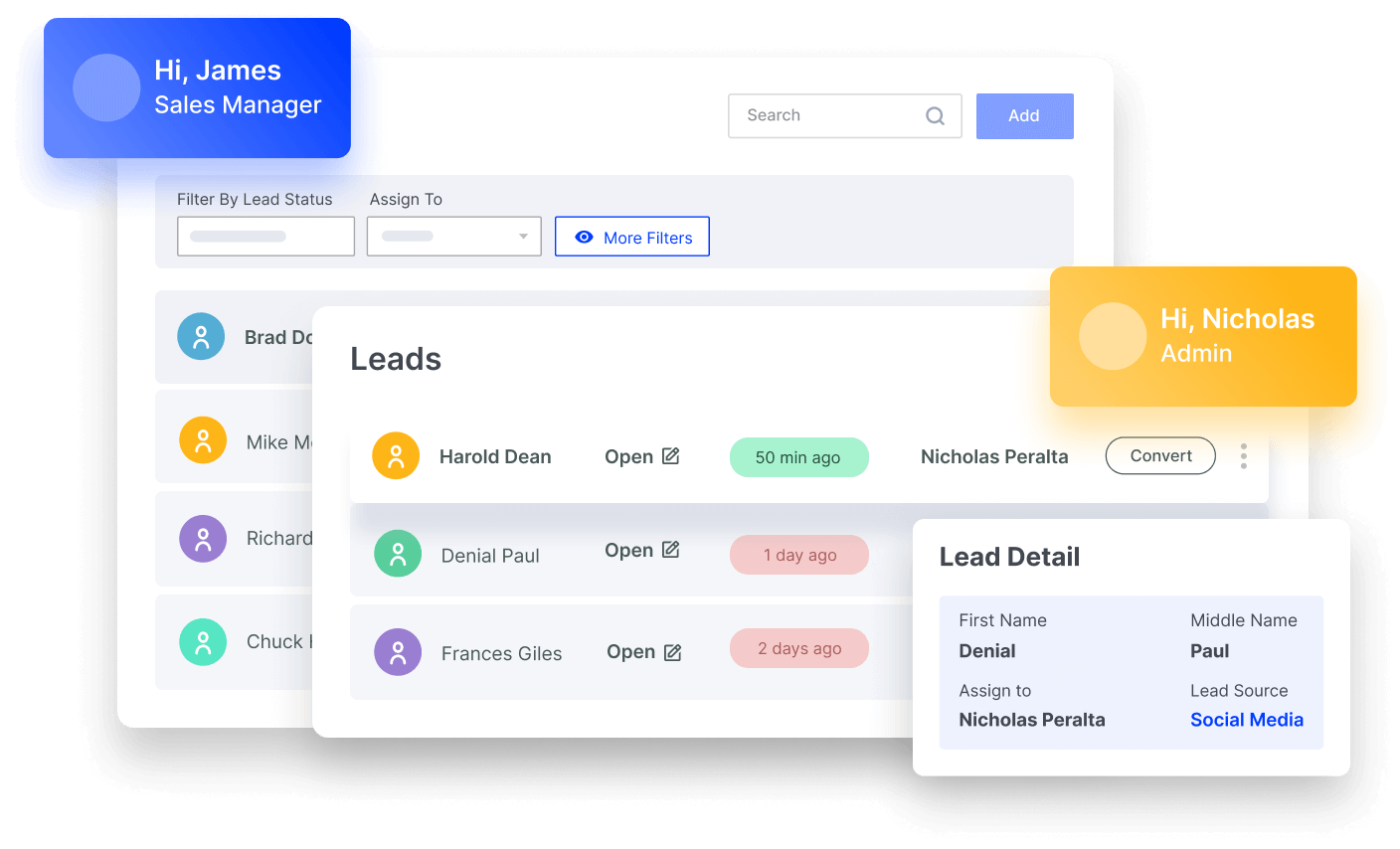
Present financing and monthly payments inside the proposal so the homeowner can pick a plan and sign on the spot
How SubcontractorHub Makes Roofing Financing Effortless
SubcontractorHub connects financing directly to the tools your team already uses to quote and sell. Through FinanceIt and GoodLeap, reps can surface monthly payment options inside every proposal, send the customer straight into an application, and keep the signed job flowing into scheduling and install — all in one platform.
Because financing, quoting, CRM, and project management live in the same login, nothing falls through the cracks between “approved” and “installed.” Your reps stop juggling a lender portal, a proposal tool, and a scheduling app, and your office stops re-keying the same job three times.
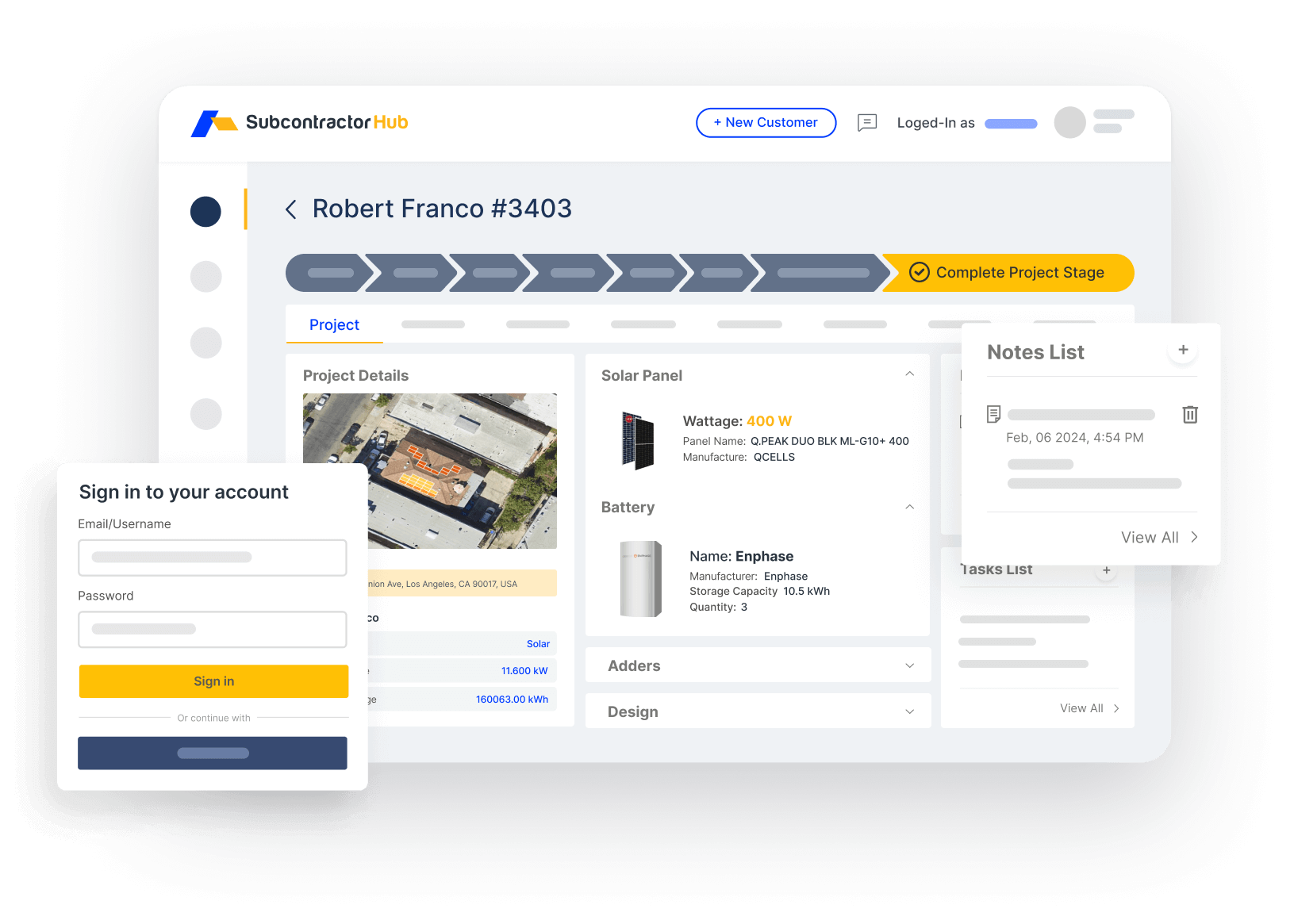
Track every financed roofing job from approval through installation in one pipeline
If you're evaluating the full software stack behind a modern roofing operation, our guide to the best roofing software and our 2026 roofing software comparison are good next reads. To compare dedicated lending tools, see our roundup of the best roofing financing software, and for a broader look at contractor lending, read how to offer customer financing as a contractor.
How to Offer Roofing Financing on the Page They Sign
An October 2026 read of this page did not re-source the dollar ranges, the three-out-of-four claim, the credit bands, or the dealer-fee percents already printed above. Those sentences stay as they were written in July. This pass adds the record the office still has to keep when a monthly figure is on the page.
The cash price stays on the proposal. Name the lender. A monthly figure is the lender's number, not a second price the office invented. This page is not a lease. If the household asks for a different scope, that is a new version of the proposal, not a sentence added to the monthly payment.
Who stands behind the software is on About SubcontractorHub, contractor stories are on testimonials and case studies, and how the site handles data is the privacy policy.
Frequently Asked Questions
How do roofing contractors offer financing to customers?
Most partner with a third-party lender (like GoodLeap, Service Finance, Foundation Finance, or FinanceIt) instead of lending in-house. The lender runs the credit check, funds the loan, and pays the contractor upfront — usually within days of completion — while carrying the repayment risk. The contractor presents financing inside the proposal so the homeowner sees a monthly payment rather than a lump sum.
Why should a roofing company offer customer financing?
A full replacement usually costs $8,000–$25,000, and about three in four homeowners are more likely to buy when financing is available. It raises average job size, reduces sticker-shock objections, and helps you sell upgraded materials and warranties instead of the cheapest patch — and it keeps retail jobs from stalling while the homeowner saves up.
What credit score is needed for roofing financing?
Prime programs often want around 640+, but many financing networks include near-prime and second-look lenders that approve customers in the 550–639 range at higher rates. Offering more than one lender tier maximizes approvals across your customer base.
How much does it cost a contractor to offer roofing financing?
Third-party lenders charge a dealer fee (a percentage of the financed amount) that scales with the promotional rate — 0% and deferred-interest promos cost more than standard-rate loans. Most roofers build the fee into their pricing so the customer sees a clean monthly payment.
Can roofing financing be built into proposal software?
Yes. SubcontractorHub lets reps show financing and monthly payment options directly inside the proposal so the homeowner can pick a plan and sign on the spot. Integrating financing into the quote — rather than a separate paper application — is the biggest driver of financing attach rate.
Related Reading
Turn Financing Into Closed Jobs
Stop losing roofing deals to sticker shock. See how SubcontractorHub puts financing, AI proposals, and project management in one platform so your reps offer a monthly payment on every job — and close more of them. Book a demo and we'll walk you through a live financed proposal in under 30 minutes.
Book a DemoRoofing, Contractor Financing, Sales