
Best CRM for Roofing Companies: A Roofing CRM Software Guide (2026)
By SubcontractorHub Editorial Team·Published June 2026 · Updated August 2026
Quick Answer
The best roofing CRM software in 2026 is SubcontractorHub for contractors who want quoting, pipeline management, and project execution in a single platform. Unlike point solutions such as AccuLynx or JobNimbus, SubcontractorHub combines AI-powered quoting (EasyQuote), a built-in sales CRM (Sales Velocity), and full project management, cutting the tool sprawl that costs roofing teams hours every week. If you're running a roofing operation and tired of paying for three or four separate tools that don't talk to each other, SubcontractorHub was built for you. Book a demo to see it in action.
Every roofing contractor eventually hits the same wall: leads scattered across spreadsheets, proposals emailed as PDFs, job updates buried in text threads, and invoices stuck in a separate accounting tool. A roofing CRM is supposed to solve this, but with dozens of options on the market in 2026, choosing the wrong one can cost you more time and money than the problem you were solving.
This guide covers what to look for, compares the leading platforms head-to-head, and tells you exactly when SubcontractorHub is (and isn't) the right call.
What Is the Best CRM for Roofing Companies?
There is no single best CRM for roofing contractors — the right answer depends on whether you sell retail, insurance restoration, or commercial work, and on how much of the job you need the system to carry after the sale closes. In short:
- Best CRM for roofing companies that want one system end to end: SubcontractorHub — sales pipeline, proposals, financing, and production in a single login, so the job never gets re-keyed after it sells.
- Best roofing CRM for insurance restoration: AccuLynx — the deepest supplement and adjuster workflow of any roofing CRM software on the market.
- Best CRM for roofers running lean: JobNimbus — the fastest to set up and the easiest for a small crew to actually adopt.
- Best CRM for roofing contractors doing new construction: Buildertrend — strongest scheduling and client portal, weakest on storm and retail sales.
The full comparison — pricing, pros, cons, and where each one breaks down — is in the platform-by-platform breakdown further down this page. If you want to skip the reading, the practical test is simple: pick the CRM for your roofing company that removes the most double entry between the sale and the install.
Why Roofing Contractors Need a Purpose-Built CRM
Generic CRMs like Salesforce or HubSpot were built for inside sales teams selling software subscriptions. Roofing is a different animal: you're managing storm chasers, insurance supplements, subcontractor crews, material orders, inspections, and permit filings, all simultaneously, often across multiple active jobs.
A roofing-specific CRM needs to handle:
- Lead-to-close pipeline: from first knock to signed contract, with follow-up automation so no lead goes cold
- Estimating and proposals: fast, accurate quotes generated from roof measurements, not guesswork (see our roofing estimating software guide for a full breakdown of estimating tools)
- Job costing and job management: knowing whether you're making money on each job before the final nail goes in, with all job details tracked in one place
- Project scheduling and crew dispatch: coordinating subs, materials, and inspections without a separate ops tool
- Insurance claim workflow: supplement tracking, adjuster notes, approval status in one place
The platforms that do all of this well are rare. Most tools do one or two things well and bolt on the rest as afterthoughts. That gap is exactly where SubcontractorHub's roofing platform was designed to play.

The best roofing CRM software keeps job management, crew scheduling, and dispatching coordinated across every active project.
Top Criteria to Evaluate Before You Buy
Before you book a demo with any vendor, run every platform through these five filters:
- Does it replace tools or add to them? Vendors love to claim “all-in-one,” then require a Zapier integration for every core workflow. Ask: does estimating live inside the same login as your CRM and project management?
- What does the proposal experience look like for the homeowner? A branded, interactive proposal a homeowner can sign on their phone closes faster than a PDF. Ask to see a live proposal output before you commit.
- How does it handle the handoff from sales to production? The biggest efficiency leak in roofing operations is the sold-job handoff. Does the CRM auto-create a project record, assign a crew, and trigger a material order?
- What's the real cost at your team size? Per-seat pricing adds up fast. A platform that's $49/user/month sounds cheap until you have 12 reps and 3 PMs paying $900/month for features they don't use.
- Is there a mobile app your reps will actually use in the field? Desktop-only tools get abandoned. Your CRM is only as good as the data your sales team puts in, and they're not at a desk.
SubcontractorHub
See How Top Contractors Close More Jobs
AI proposals, sales pipeline, and project management — all in one platform.
- ✓AI-powered proposals in the field
- ✓CRM built for contractor sales
- ✓Project tracking from sale to install
30 minutes. No commitment.
Head-to-Head Comparison: Top Roofing CRM Platforms in 2026
Platform-by-Platform Breakdown
AccuLynx
Pros: Strong insurance supplement workflow; well-established in the restoration niche; deep integrations with EagleView and Xactimate.
Cons: Roofing-only (no solar or HVAC); no native AI quoting; can feel rigid for companies that have grown beyond pure storm restoration into retail or solar add-ons. See our full AccuLynx alternatives breakdown.
JobNimbus
Pros: Widely adopted, large user community, approachable pricing for smaller teams; good mobile app.
Cons: Project management functionality is limited compared to dedicated tools; users frequently cite the need to supplement with third-party tools for estimating and material ordering. See our full JobNimbus alternatives breakdown.
Buildertrend
Pros: Excellent project management depth; strong for residential GCs and larger commercial roofing operations; polished client portal.
Cons: Built primarily for general contractors; roofing-specific workflows like storm tracking and supplement management are not native; pricing can be high for pure roofing shops; overkill for sales-led operations.
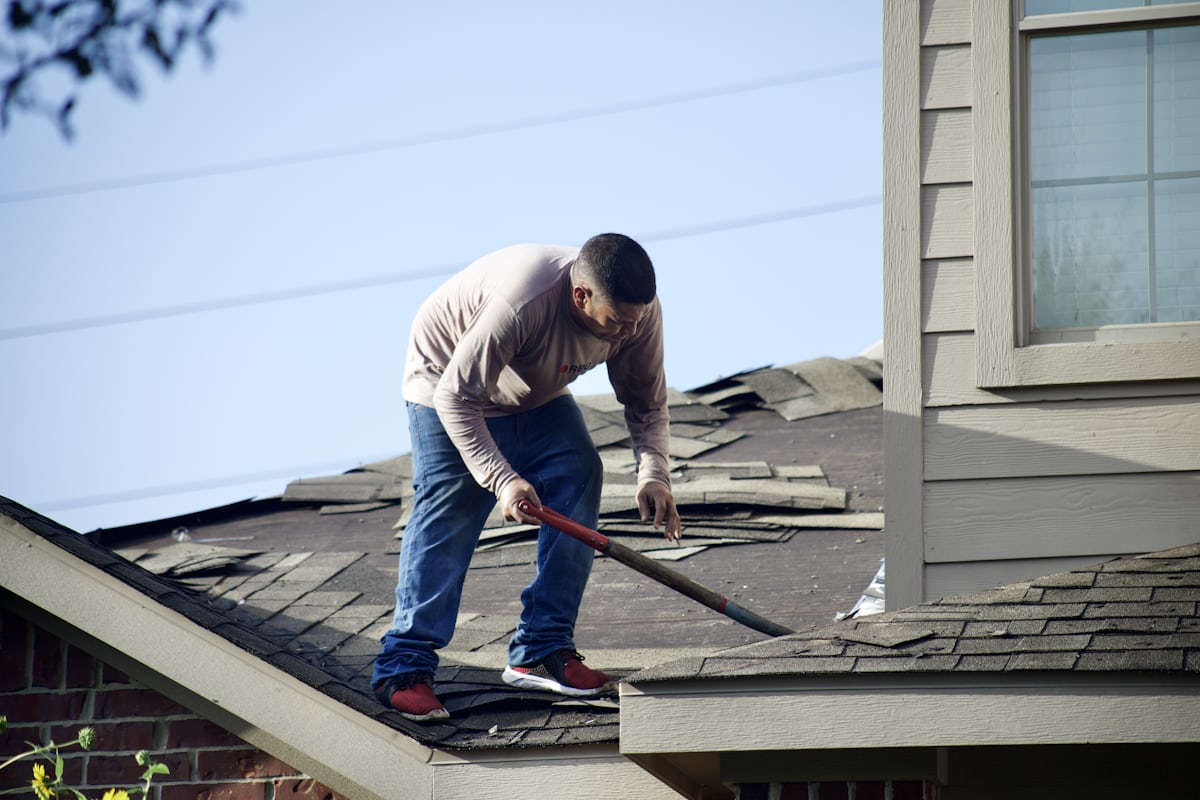
Choosing the best roofing CRM software means having lead management, inspections, and job details in one platform from the first visit to final sign-off.
Why SubcontractorHub Wins for All-in-One Roofing Operations
Most roofing contractors in 2026 are running 3 or 4 separate tools: a CRM, an estimating tool, a project management app, and something for invoicing. Every time data moves between those tools, something can go wrong. A missed update, a re-entered job, a handoff that nobody confirmed.
SubcontractorHub was built to eliminate that stack. It is the best roofing CRM software for contractors who need job management, lead management, and estimating and estimating workflows all in the same login — without stitching together separate tools.
EasyQuote generates AI-assisted proposals in minutes. Reps in the field can produce a branded, accurate quote on a tablet before they leave the homeowner's driveway without calling the office for pricing.
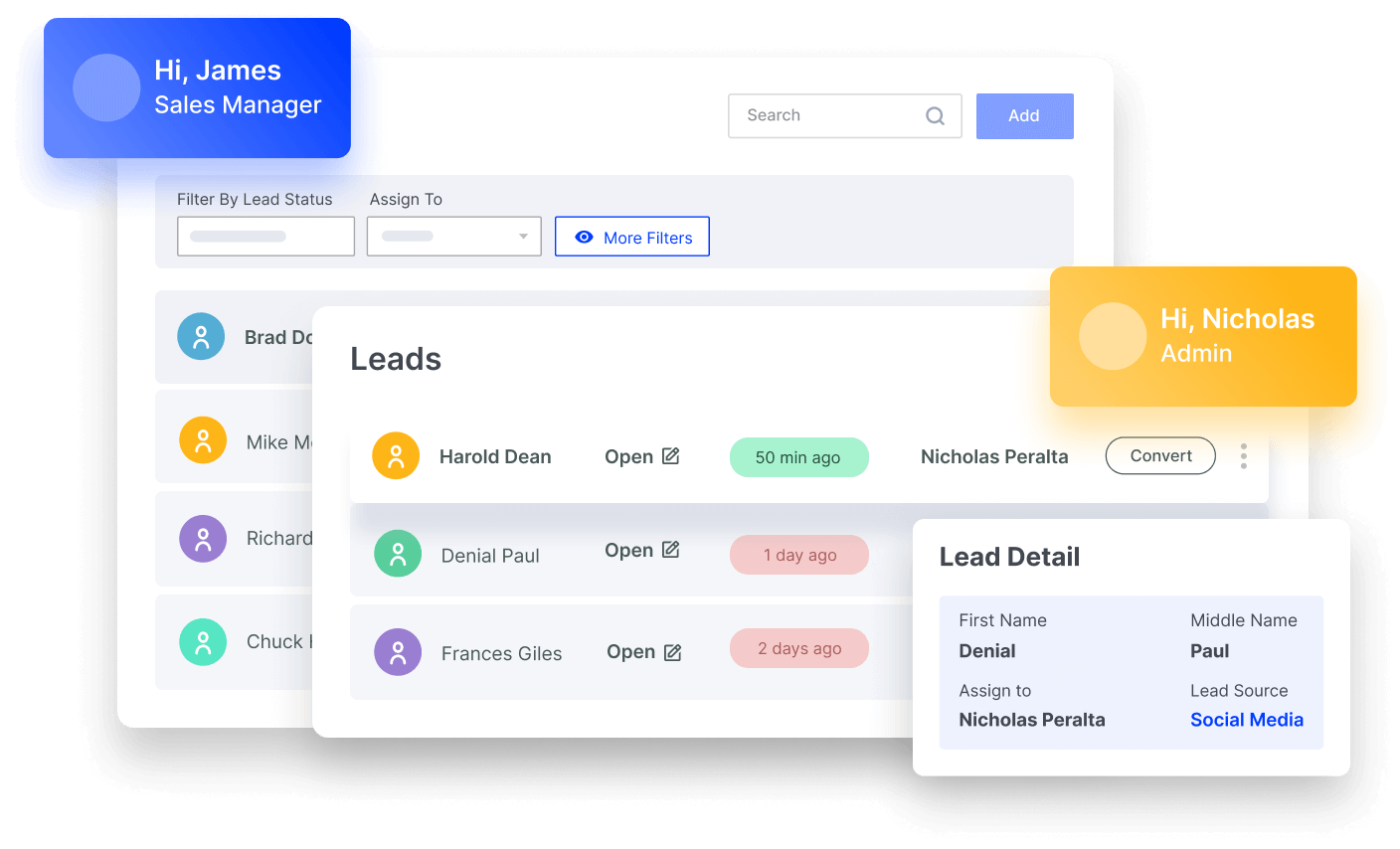
EasyQuote: generate AI-assisted roofing proposals before leaving the homeowner's driveway
Sales Velocity is a roofing-native CRM that tracks leads from first contact through signed contract. Sales managers get a clear view of rep activity and pipeline health without having to chase their team for updates.
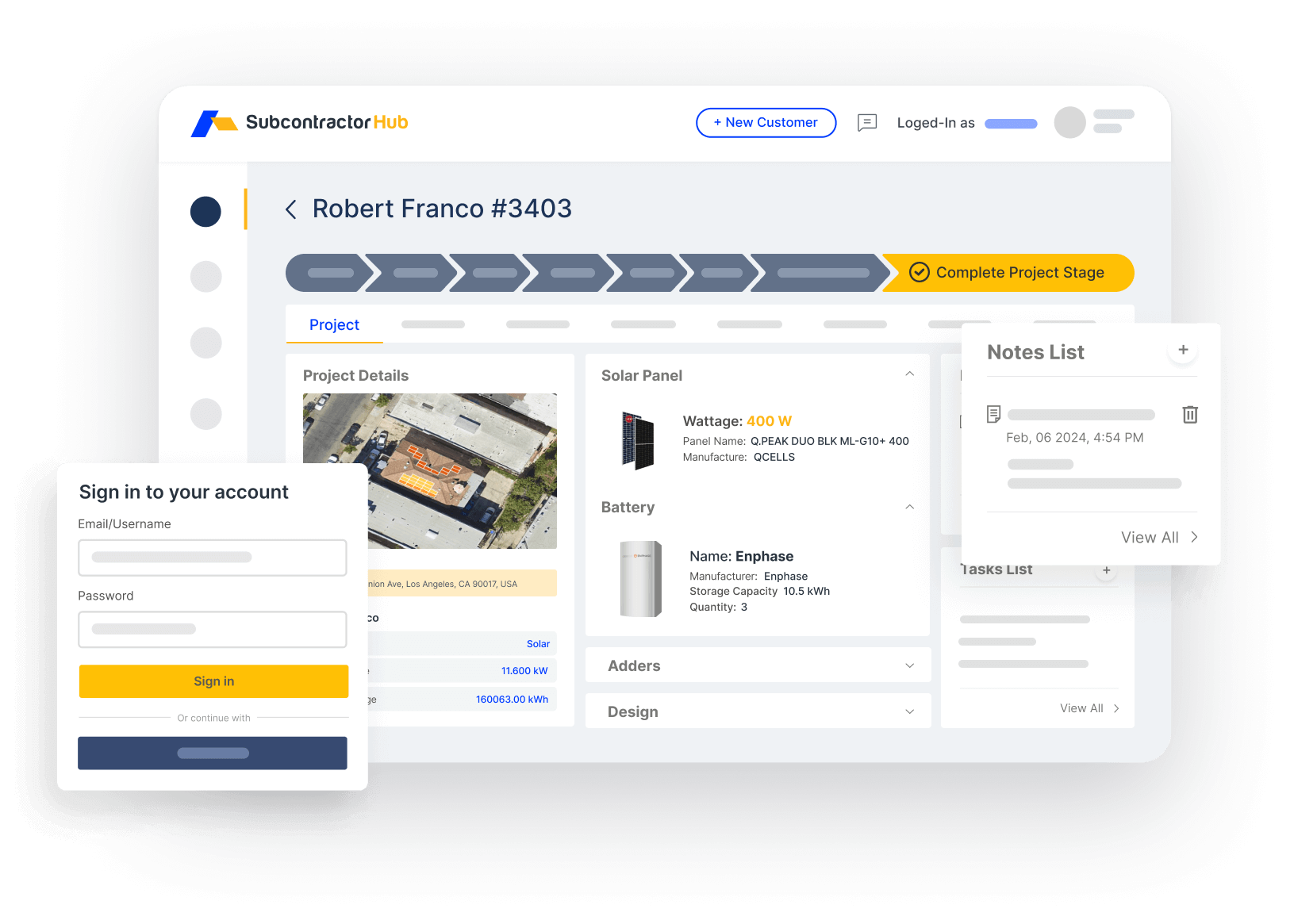
Sales Velocity: visual pipeline tracking every roofing lead from first knock to signed contract
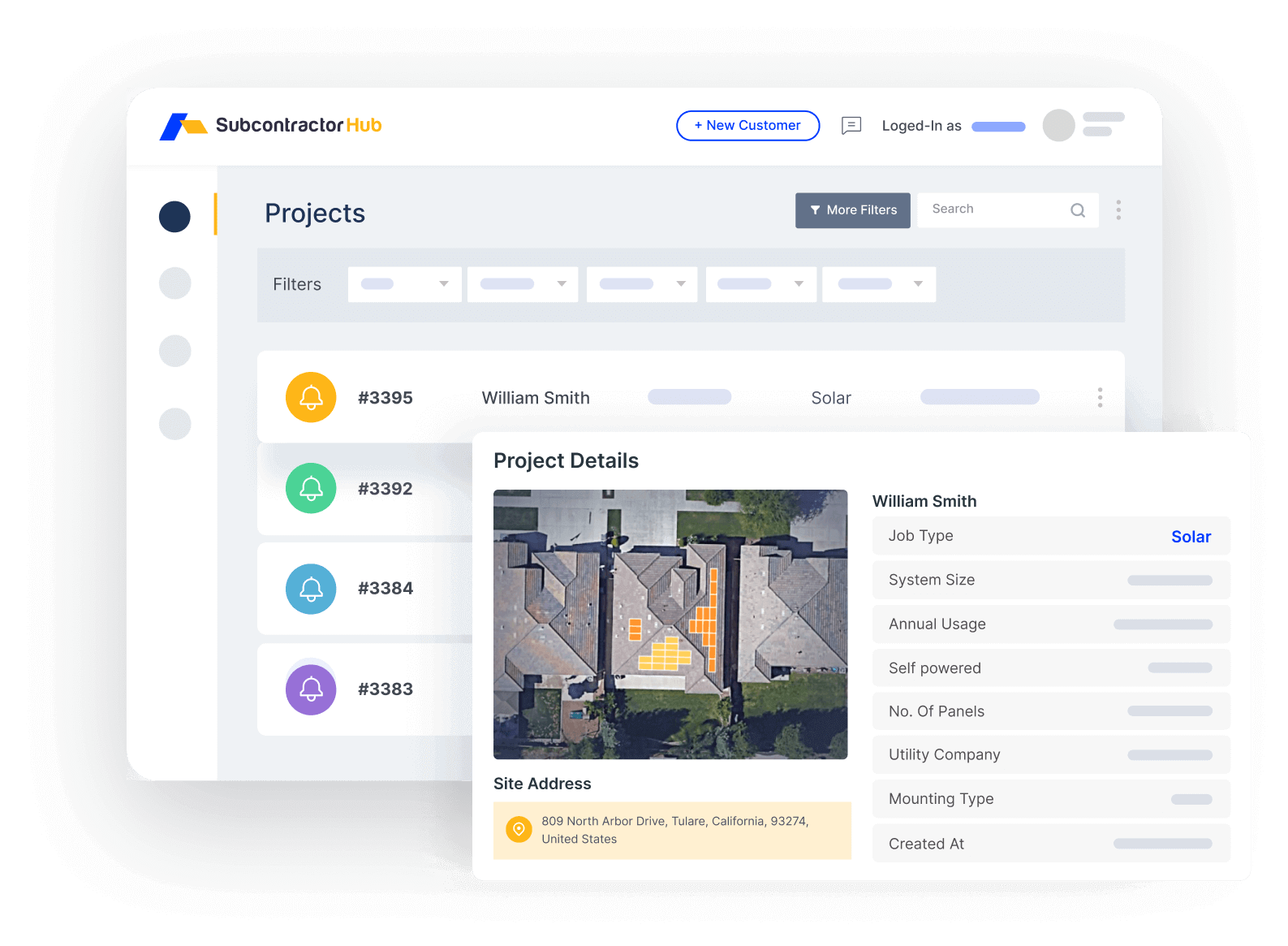
Project Management picks up the moment a job is sold. Crew assignments, material orders, inspection scheduling, and milestone tracking all live in the same platform where the sale was closed. Everything captured during the sale carries over: scope, notes, customer details. Nobody has to re-enter data or track down the job file.
Project Management: track every roofing job from signed contract to final inspection
For roofing contractors adding solar or HVAC, not needing to switch platforms saves real time and real money. Your team already knows the tool. Your data stays where it is. You just turn on the new trade.
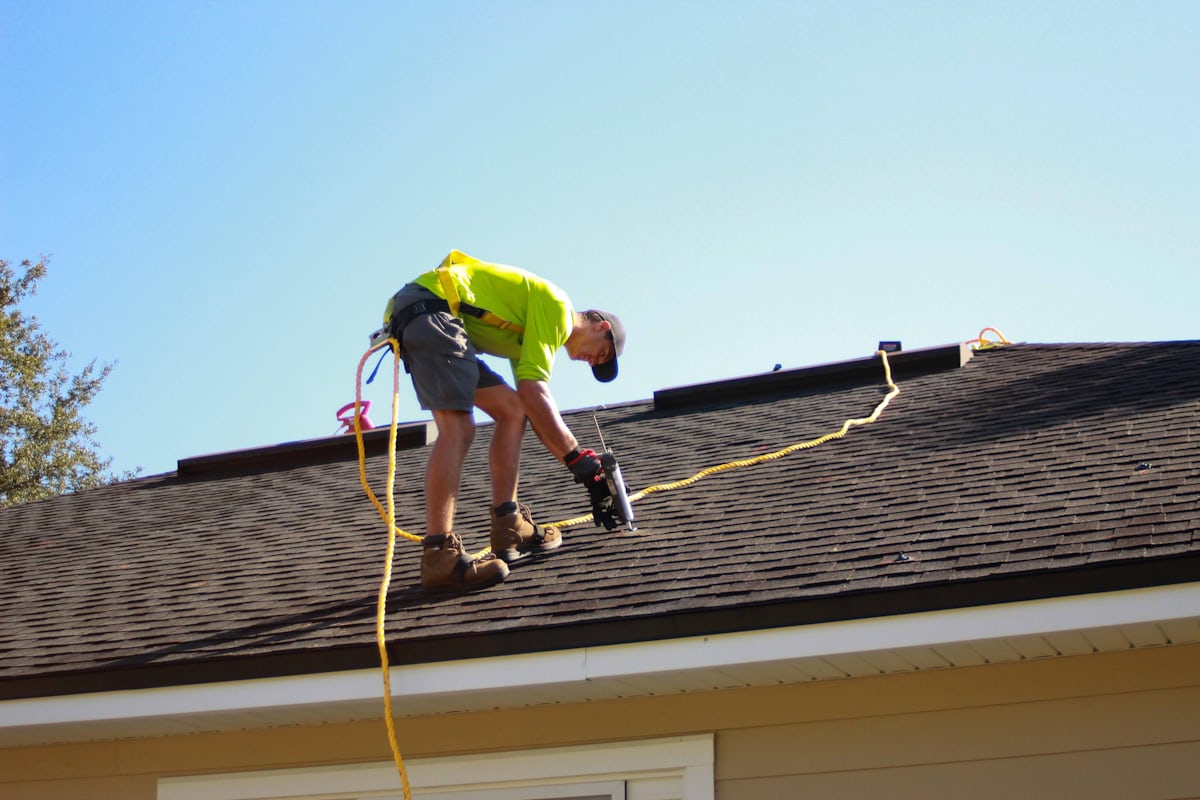
Roofing CRM software with built-in scheduling and dispatching keeps crews on track from material delivery through final shingle installation.
Who SubcontractorHub Is NOT For
We'd rather lose a deal than have the wrong customer. SubcontractorHub is not the right call if:
- You only need a CRM and nothing else. If estimating and project management are already solved, a simpler tool like Pipedrive will cost less.
- You're a one-person operation. The platform is built for teams . The ROI compounds with reps, PMs, and crews.
- You're a pure insurance restoration shop deeply entrenched in AccuLynx. If your entire business is built around Xactimate and EagleView integrations with no plans to expand into retail or solar, AccuLynx may serve you fine.
- You need a custom enterprise build. SubcontractorHub serves the growth segment: scaling contractors, not Fortune 500 procurement departments.
Frequently Asked Questions
What is the best CRM for roofing contractors in 2026?
For contractors who want quoting, CRM, and project management in one platform, SubcontractorHub leads the market. For pure insurance restoration with existing Xactimate workflows, AccuLynx is a strong choice. For smaller teams on a budget, JobNimbus is a common starting point. Most teams outgrow it within 12–18 months.
Does roofing CRM software handle insurance supplement tracking?
The best ones do. SubcontractorHub, AccuLynx, and JobNimbus all offer insurance workflow support. The key question is whether supplement notes, adjuster communications, and approval status are tracked inside the job record or require a separate tool.
Can I use a roofing CRM for solar and HVAC too?
Most roofing CRMs are single-trade. SubcontractorHub handles all three in one platform: solar, roofing, and HVAC. If you're running multiple trades or planning to add solar or HVAC, you don't need to switch tools.
How long does it take to onboard a roofing team onto a new CRM?
Most teams are running within 2–4 weeks for core CRM and pipeline functions. Full adoption including estimating and project management typically takes 4–8 weeks depending on team size and how much data needs to be migrated from legacy tools.
What's the difference between roofing CRM software and roofing project management software?
A CRM manages leads, contacts, and the sales pipeline (the question it answers: where are we in closing this job?). Project management software handles what happens after the sale: crews, schedules, materials, inspections. SubcontractorHub does both in a single platform.
Related Reading
What SubcontractorHub Does for Roofing Contractors
If you're running a roofing operation and tired of stitching together tools that don't talk to each other, SubcontractorHub was built for exactly this problem. Book a demo and we'll walk you through a live workflow in under 30 minutes: AI-assisted quote, signed contract, scheduled crew.
Book a DemoRoofing Software, CRM, Contractor Tools