
How to Sell HVAC Maintenance Agreements: A Contractor's Playbook for 2026
By SubcontractorHub Editorial Team·Published July 2026·Updated October 2026
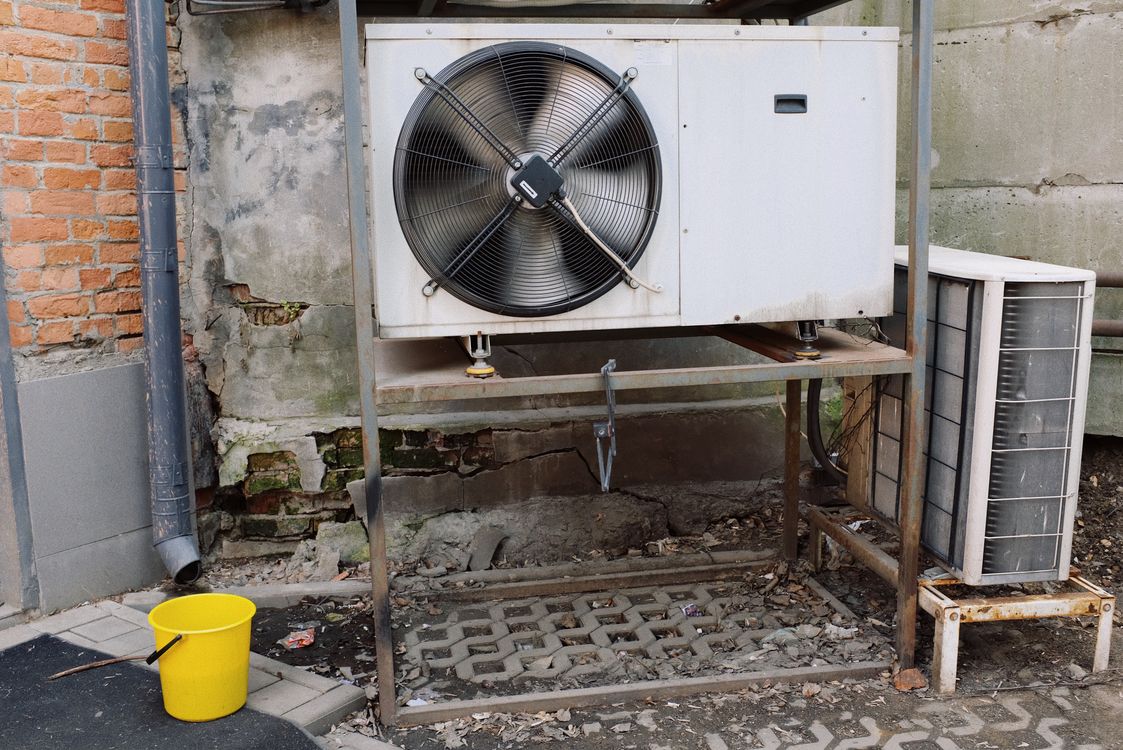
Bottom line up front: Maintenance agreements aren't sold in the office — they're sold at the truck, by the technician, at the moment the customer trusts you most. Contractors who make the offer at every visit, keep the pitch simple, and enroll the customer on the spot routinely convert 30–50% of eligible customers. The ones who rely on office follow-up calls convert a fraction of that.
A book of maintenance agreements is the single most valuable asset an HVAC company can build. Agreement customers spend 2–3x more over their lifetime, give you first call when a system fails, and buy replacements from you at dramatically higher rates. They also fill your slow shoulder seasons — spring and fall — with scheduled, profitable tune-up work instead of empty trucks.
Yet most HVAC companies leave this revenue on the table. They mention plans inconsistently, price them by guesswork, and lose track of renewals. This playbook covers exactly how to sell more HVAC maintenance agreements in 2026 — how to price them, when to pitch them, what to say, and how to keep the recurring revenue from leaking once you've earned it.
1. Design a Simple, Tiered Agreement Menu
Customers can't buy what they can't understand. The fastest way to kill agreement sales is a dense, one-size-fits-all contract full of jargon. Instead, build a clean Good/Better/Best menu so the customer is choosing which plan — not whether to buy one.
Price to a 50–60% gross margin after technician labor, but remember: the plan fee is not where the money is. The agreement's real value is the repair, service, and replacement revenue it locks in. A $249 plan that leads to a $9,000 system replacement two years later is one of the best marketing investments in the trade.
2. How to Sell HVAC Maintenance Agreements at the Truck
The highest-converting moment to sell a maintenance agreement is the minute a repair or install is finished. The system is running, the home is comfortable, and the customer's trust in your technician is at its absolute peak. That is when the offer lands — not three days later in a voicemail from the office.
This means your technicians are your salesforce for agreements, whether or not they think of themselves that way. A tech who wraps up a repair and says, “I'd hate for you to spend this again next year — our maintenance plan catches this stuff early and gets you priority when it's 98 degrees out” will out-sell any office campaign. Give them the tools to enroll the customer on the spot, on a tablet, before they leave the driveway.

Enroll the customer on-site, on a tablet — friction is the enemy of agreement conversion
3. Sell the Benefit, Not the Contract
“Preventative maintenance” means nothing to a homeowner. Benefits do. Train your team to translate every feature into a plain-language outcome the customer actually cares about:
- Catch problems early — “A $12 capacitor we spot in spring is a lot cheaper than an emergency call in July.”
- Lower energy bills — “A clean, tuned system runs more efficiently — you'll see it on the bill.”
- Priority service — “When it's 98 degrees and everyone's AC is out, plan members go to the front of the line.”
- Protect the investment — “You just spent real money on this system. The plan keeps it running for years longer.”
Don't sell promises — sell examples. “We caught a cracked heat exchanger on a plan visit last winter for a customer down the street — that's a carbon-monoxide risk we found before it became an emergency.” Concrete stories close.
4. Motivate and Measure Your Technicians
A technician's attitude is the biggest variable in agreement sales. Customers see techs as experts, not salespeople — so when a tech genuinely believes the plan protects the customer, the recommendation carries weight a marketing email never will.
Reinforce it with structure: pay a per-agreement spiff ($15–$40 is typical), track enrollment rate by technician so you can coach the laggards and reward the leaders, and celebrate wins in the weekly meeting. When you can see that Tech A enrolls 45% of eligible customers and Tech B enrolls 8%, you know exactly where to invest your coaching time — and that visibility only exists if you're tracking it in your HVAC contractor software.
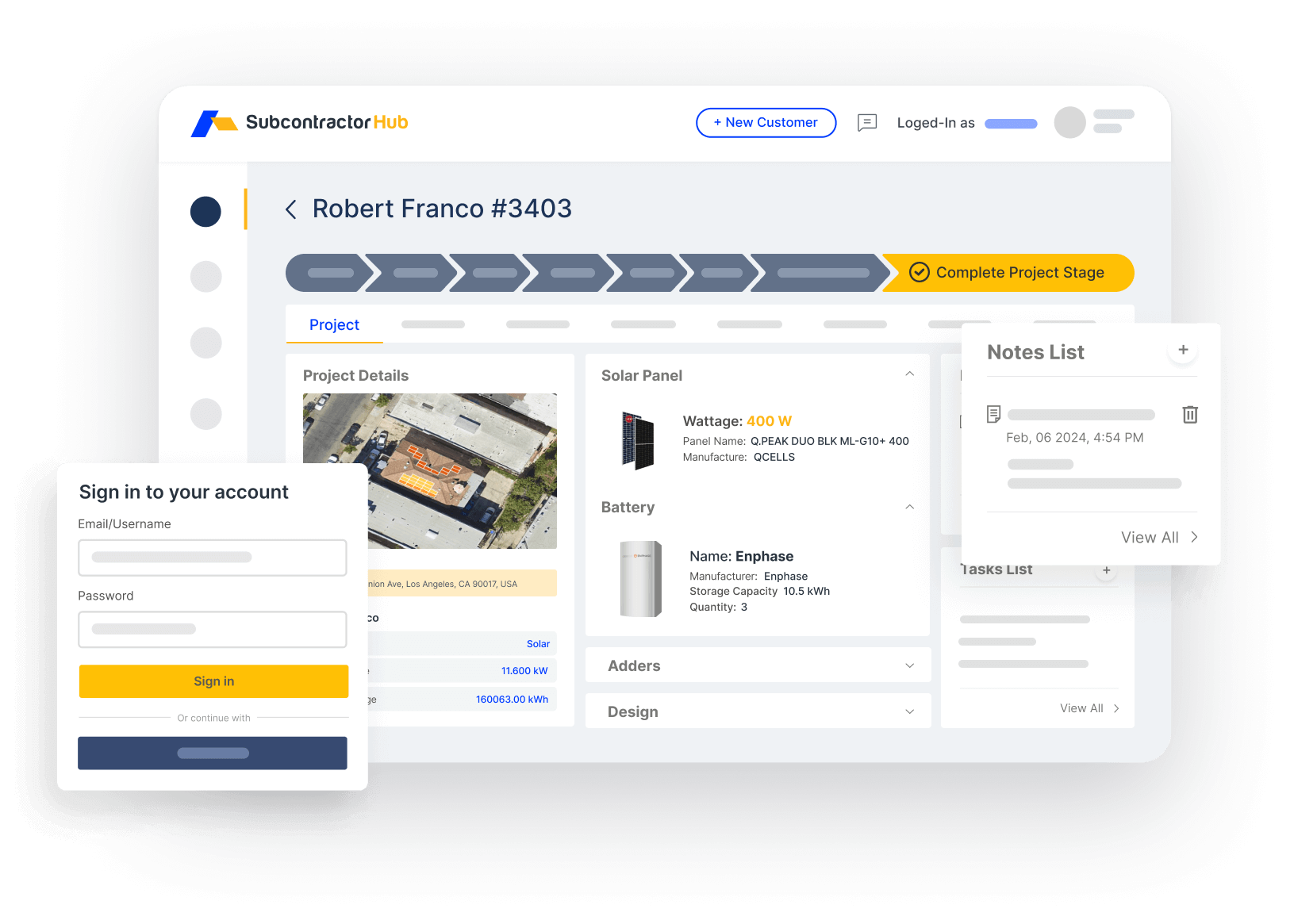
Sales Velocity by SubcontractorHub: track agreement enrollment, renewals, and per-tech performance in one pipeline
5. Offer Financing to Remove the Price Objection
Agreements themselves are usually an easy yes, but they exist to protect a bigger purchase — the repair or replacement. When a plan visit surfaces a $9,000 replacement, the customer who hears “about $150 a month” closes at a far higher rate than the one who hears “$9,000.” Presenting an embedded financing option inside the same proposal — with instant pre-qualification — is what turns a diagnosed problem into a signed job. Financing and maintenance agreements are two halves of the same recurring-revenue engine.
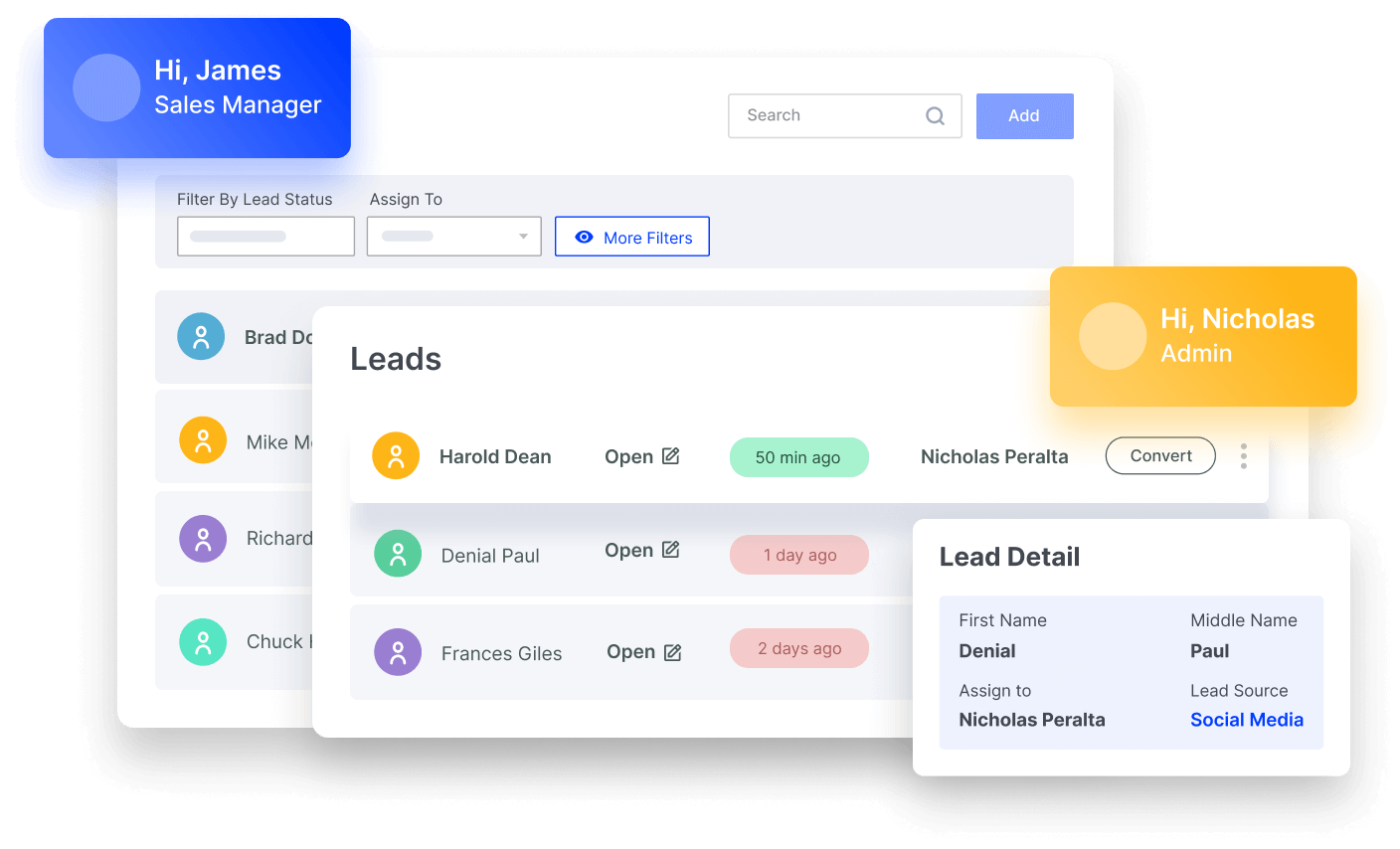
Present the agreement, the repair, and a monthly payment option in one on-site proposal — same-day close rates run 40–60% higher
6. Stop the Renewal Leak
Selling the agreement is only half the job. Most HVAC companies lose 20–35% of their agreement base every year to lapsed renewals they never followed up on — a silent leak that caps growth no matter how many new plans the techs sell.
Fix it with automation: an automated renewal sequence that starts 60 days before expiration, auto-scheduled tune-up reminders 6–8 weeks before each season, and a dashboard that shows exactly how many active agreements you have and which are about to lapse. Recurring revenue only compounds if you retain it.
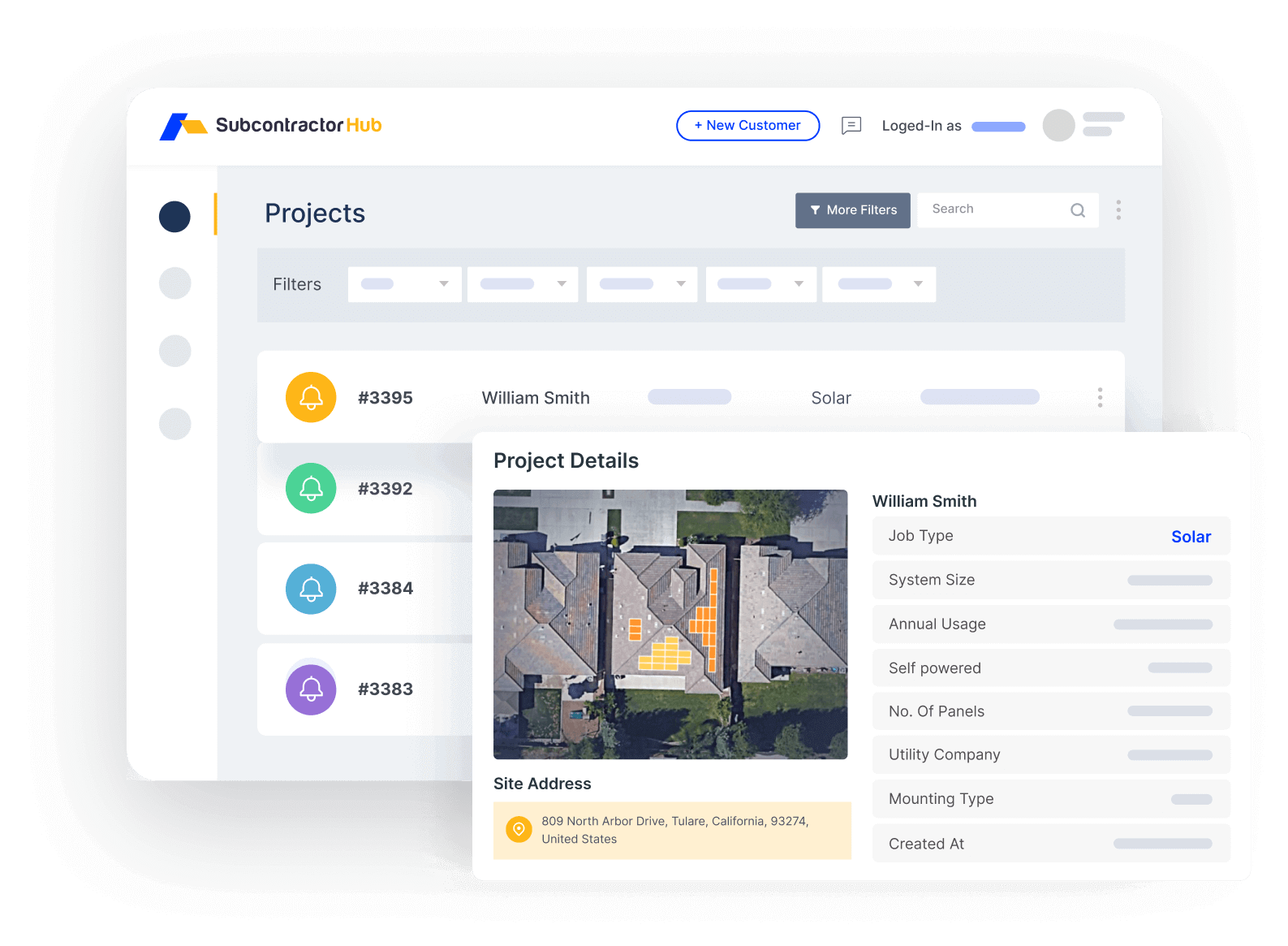
Every scheduled tune-up and renewal tracked in one place — so no agreement quietly lapses
The Recurring-Revenue Math
Here's why this compounds. Say your techs enroll 15 new agreements a month at an average $280/year and you retain 80%:
- Year 1: ~180 agreements → ~$50,000 in contracted plan revenue
- Year 2: retained base + new sales → ~320 agreements → ~$90,000
- Plus the multiplier: those members generate 2–3x more repair and replacement revenue and buy their next system from you
The plan fees alone rarely make you rich. The book of loyal, first-call customers behind them is what builds an HVAC business worth selling. Purpose-built software for HVAC contractors is what keeps that engine running without a spreadsheet holding it together.
How to Sell HVAC Maintenance Agreements on the Proposal
The visit already produced a diagnosis. The maintenance agreement should be a named section of that same proposal, not a brochure the office mails later. Write what the visits cover, what they do not cover, the renewal date, and who enrolls the customer before the technician leaves. A separate email thread is how the plan and the repair get priced twice.
What belongs in the document itself is in the HVAC service agreement guide. How the surrounding proposal is structured, including exclusions and a signature, is in how to write an HVAC proposal. The agreement is one section of that proposal. It is not a second brand of paperwork.
After they enroll, the next step is a date, not a hope. Schedule the first tune-up before you close the ticket, and write who follows the renewal. SubcontractorHub keeps the agreement, the proposal, and that date on the customer record so the office is not rebuilding the offer from a text message. This update does not add a new price, a new close rate, or a new retention figure. Use the menu you already publish, and keep the record complete.
Frequently Asked Questions
How much should I charge for an HVAC maintenance agreement?
Most residential plans run $150–$350/year per system for two visits, with premium tiers at $250–$450. Price to a 50–60% gross margin after labor — but remember the plan protects far larger repair and replacement revenue, which is where the real return is.
What is the best way to sell HVAC maintenance agreements?
Sell on-site at the end of a repair or install, when trust is highest. Use a simple Good/Better/Best menu, frame the plan around customer benefit, and enroll the customer on a tablet before the tech leaves. On-site offers beat office follow-up calls dramatically.
How do I get technicians to sell service agreements?
Give them a benefit-focused script, pay a per-agreement spiff ($15–$40), track enrollment rate by tech so you can coach and reward, and remove friction with on-site mobile enrollment. Techs who believe the plan helps the customer sell it naturally.
What should an HVAC maintenance agreement include?
Two precision tune-ups per year, priority or same-day service, a waived diagnostic fee, a 10–15% repair discount, a credit toward replacement, and transferability. Spell out coverage in plain language and review it with the customer before they sign.
Why are HVAC maintenance agreements important for my business?
They convert one-time customers into recurring revenue and first-call loyalty. Agreement customers spend 2–3x more over their lifetime, close on replacements at higher rates, fill slow shoulder seasons, and raise the resale value of your business.
Where should the maintenance agreement sit in the proposal?
On the same proposal as the repair or replacement, as its own section, with what is covered, what is not, the renewal date, and a signature. A brochure sent from the office later splits the offer from the visit. The service-agreement guide covers the clauses. The HVAC proposal guide covers the rest of the document.
Related Guides
- How to Start an HVAC Membership Program in 2026
- HVAC Service Agreements: What to Include & How to Price Them
- HVAC Marketing Guide 2026
- How to Grow an HVAC Business in 2026
- Best HVAC CRM Software in 2026
- How to Offer Customer Financing as a Contractor
- How to Train Your Technicians to Sell
- The 8-Week Technician Sales Training Program
- Technician Commission Structures and Average Ticket — membership spiffs and attachment rate
- → HVAC Maintenance Software
- → HVAC Contractor Software Platform
- → SubcontractorHub for HVAC
- Embedded Contractor Financing
Build Recurring Revenue With SubcontractorHub
30-minute demo. See on-site agreement enrollment, renewal automation, embedded financing, and per-tech tracking for an HVAC business.
Book a DemoHVAC, Service Agreements, Recurring Revenue
SubcontractorHub
See How Top Contractors Close More Jobs
AI proposals, sales pipeline, and project management — all in one platform.
- ✓AI-powered proposals in the field
- ✓CRM built for contractor sales
- ✓Project tracking from sale to install
30 minutes. No commitment.