
Best HVAC Field Service Software in 2026: Honest Comparison for Installation Contractors
Published June 23, 2026 · 10 min read
Most HVAC field service software reviews lump together two very different kinds of businesses: service-call shops that dispatch technicians for same-day repairs, and installation contractors who run D2D sales teams, build proposals on-site, and manage multi-week replacement projects. The right platform for each is completely different.
This guide is for installation contractors — businesses where a rep runs a proposal for a system replacement, a deal is closed, and then a project begins that spans permits, equipment orders, crew scheduling, and a final inspection. If that describes your operation, here is an honest comparison of the five platforms most commonly considered in 2026.

The best HVAC field service software connects the homeowner consultation directly to the installation pipeline — no re-entry, no dropped handoffs.
What Installation Contractors Should Look for in HVAC Field Service Software
Before comparing platforms, clarify which workflow you actually need to solve. The key features for an installation business differ meaningfully from a service-call shop:
- On-site proposal generation: reps should be able to build an accurate system replacement proposal on a tablet at the customer's home — multiple equipment options, embedded financing — before leaving the driveway
- Sales pipeline with stage tracking: a visual CRM from lead through proposal, financing approval, and signed contract — not just a job list
- Embedded financing: presenting monthly payment options at point of sale, because most residential system replacements are financed
- Installation project management: permitting, equipment ordering, crew scheduling, and inspection tracking after the job is sold — not just a calendar booking
- Automatic sales-to-ops handoff: when a deal closes, all proposal details flow into the install project without re-entry
- Multi-trade support: for contractors also running roofing or solar who don't want a second platform
Platforms that nail service dispatch — like Housecall Pro or Workiz — rarely cover the full installation workflow. Platforms built for installation — like SubcontractorHub's HVAC field service platform — were designed from the ground up for this specific cycle.
SubcontractorHub
See How Top Contractors Close More Jobs
AI proposals, sales pipeline, and project management — all in one platform.
- ✓AI-powered proposals in the field
- ✓CRM built for contractor sales
- ✓Project tracking from sale to install
30 minutes. No commitment.
Head-to-Head Comparison: Top HVAC Field Service Platforms in 2026
Platform-by-Platform Breakdown
ServiceTitan
Pros: The most feature-rich HVAC platform for large operations. ServiceTitan's dispatch board is genuinely powerful for high-volume service teams — drag-and-drop scheduling, real-time GPS tracking, call center integration, and deep reporting down to technician scorecards and marketing attribution. For companies above $3–5M in revenue with dedicated dispatch staff, it covers more ground than most competitors.
Cons: Pricing starts at $250–$400 per technician per month with mandatory onboarding fees of $15,000–$25,000. The system is designed around service-call dispatch, not D2D installation sales. No AI quoting, no multi-trade support for roofing or solar. Complex implementation — most companies report 6–8 weeks before going live. See our ServiceTitan alternatives breakdown.
Housecall Pro
Pros: Clean interface and fast onboarding. Well-suited for small HVAC service businesses in the $500K–$3M range. Strong customer communication tools — booking confirmations, automated review requests, technician GPS tracking. Starts at $49/month, which is accessible for solo operators and small service teams.
Cons: Built entirely for service calls. No installation project management, no multi-stage pipeline for replacement jobs, no AI quoting, no D2D sales tools. A contractor running a field sales team will hit a hard ceiling quickly. See our Housecall Pro alternatives breakdown.
FieldEdge
Pros: Mid-market platform with a genuinely strong QuickBooks integration — real-time and bidirectional, not a nightly export. Built specifically for HVAC and plumbing service companies. If QuickBooks is non-negotiable and you run a service-focused shop, FieldEdge's integration is tighter than most competitors.
Cons: Priced at $100 per office user plus $125 per technician. Focused on service dispatch and recurring maintenance, not installation project management. No AI quoting, no embedded financing for on-site proposals, no multi-trade support.
Workiz
Pros: Affordable entry point (from $45/month). Clean mobile app for field technicians. Good for solo operators or small teams focused on simple service call dispatch and invoicing.
Cons: Service-call focused with no installation project management, no pipeline CRM for replacement sales, no AI quoting, no embedded financing. See our Workiz alternatives breakdown.

Top HVAC field service platforms let reps build accurate proposals on a tablet before leaving the customer's home — with financing options built in.
Why SubcontractorHub Wins for HVAC Installation Contractors
The fundamental problem for installation HVAC contractors is that the best service-call tools don't cover the installation workflow — and the best installation tools don't exist in most categories because the market assumes HVAC = service dispatch. SubcontractorHub was built to fill that gap.
EasyQuote generates AI-assisted system replacement proposals in the field — on a tablet, at the customer's home, before the rep walks out the door. Multiple equipment tiers, embedded financing options, and e-signature in one workflow.

EasyQuote: build accurate HVAC replacement proposals before leaving the homeowner's driveway
Sales Velocity gives HVAC sales managers a live view of every open lead, proposal sent, and financing application — with rep leaderboards and automated follow-up sequences. No more end-of-week spreadsheet updates or guessing which deals are going cold.
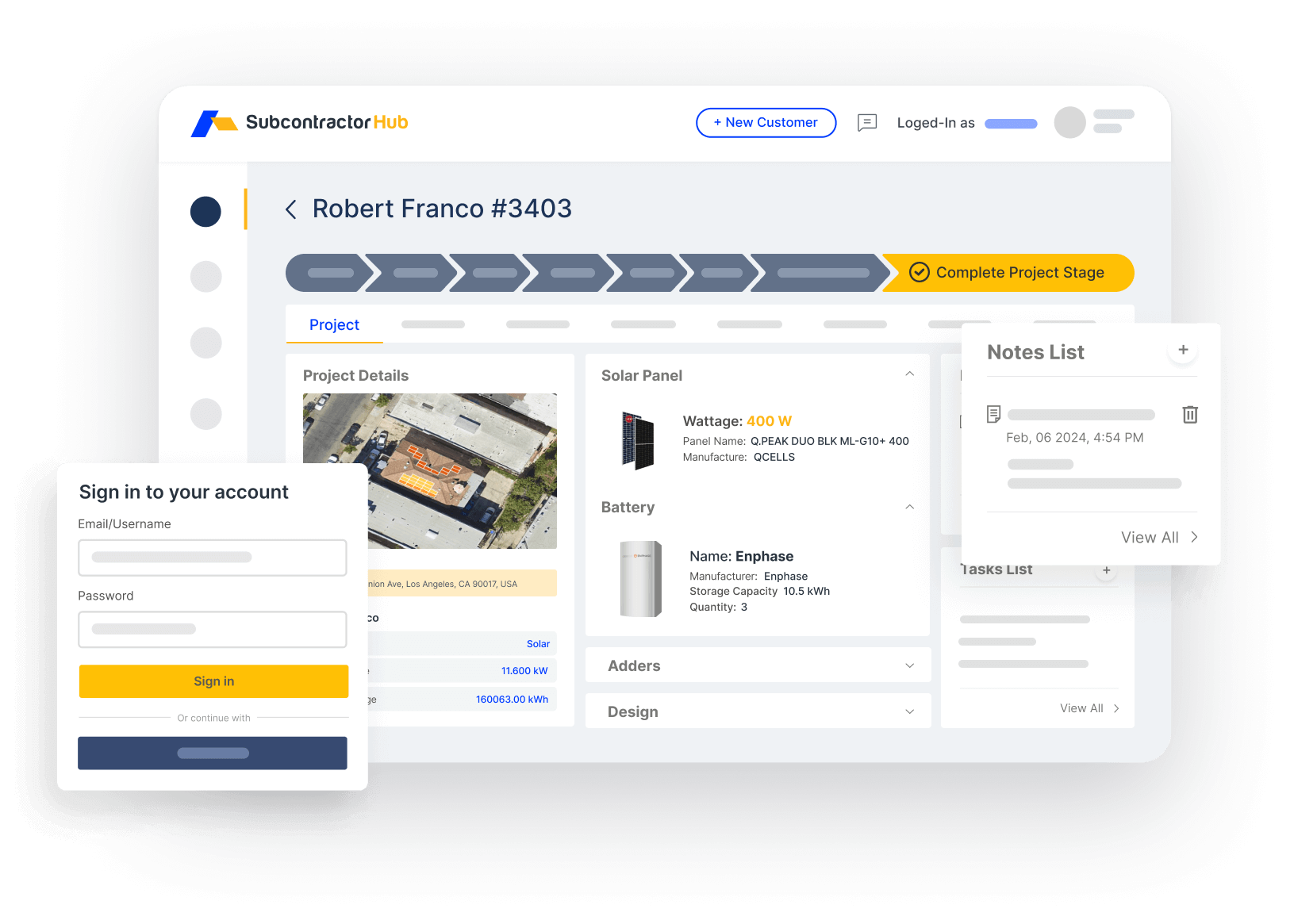
Sales Velocity: track every HVAC replacement lead from first contact to signed contract
Project Management takes over the moment a job closes. The proposal details — system specs, customer address, financing status, schedule — flow directly into an installation project without re-entry. Permit tracking, equipment ordering, crew scheduling, inspections, and commissioning all tracked inside the same platform where the sale happened.
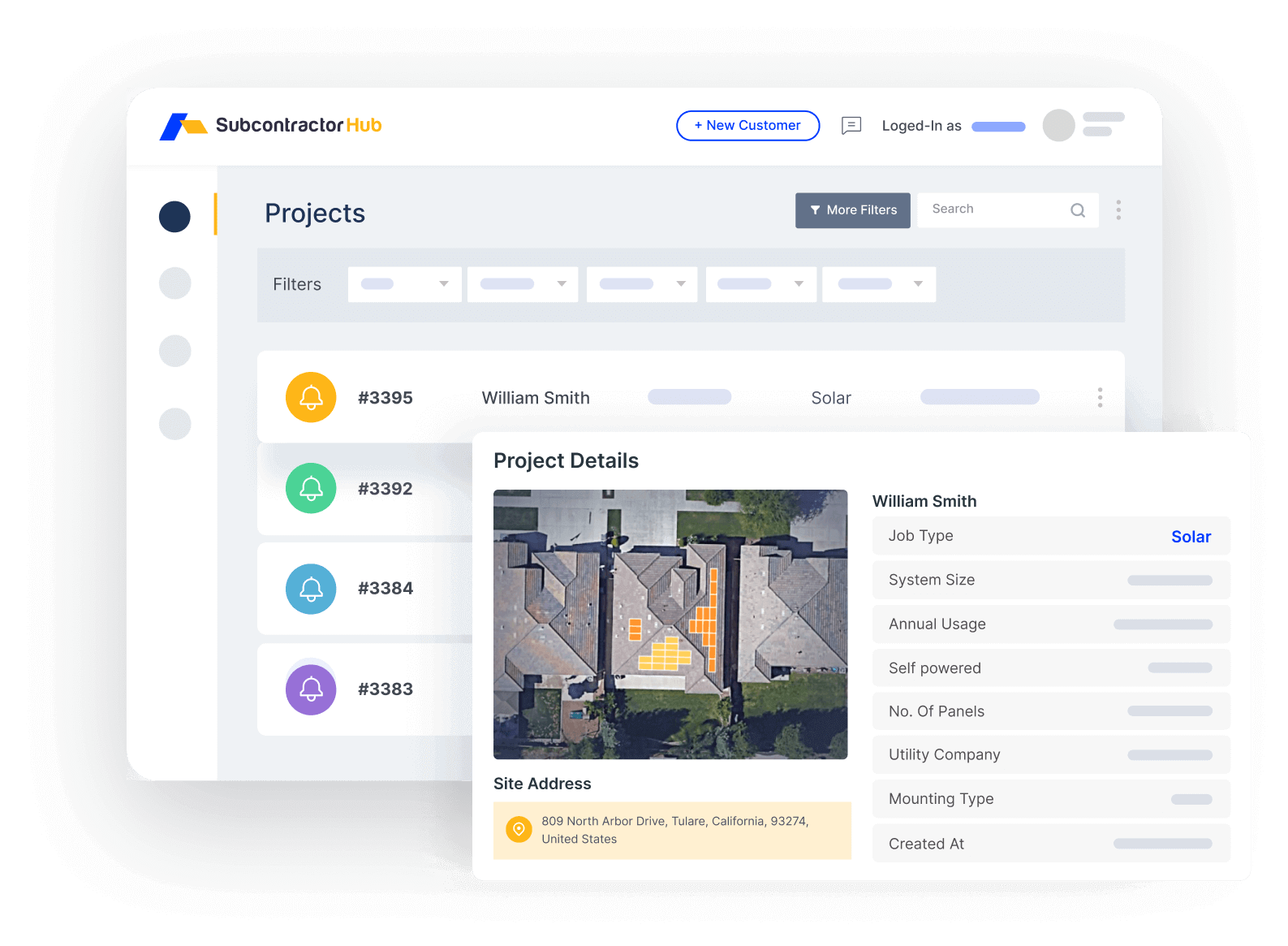
Project Management: track every HVAC installation from sold to commissioned — permits, equipment, crew, inspection
For HVAC contractors adding solar or roofing, the multi-trade architecture means your team already knows the tool when the second trade launches. No second CRM, no duplicate data migration.
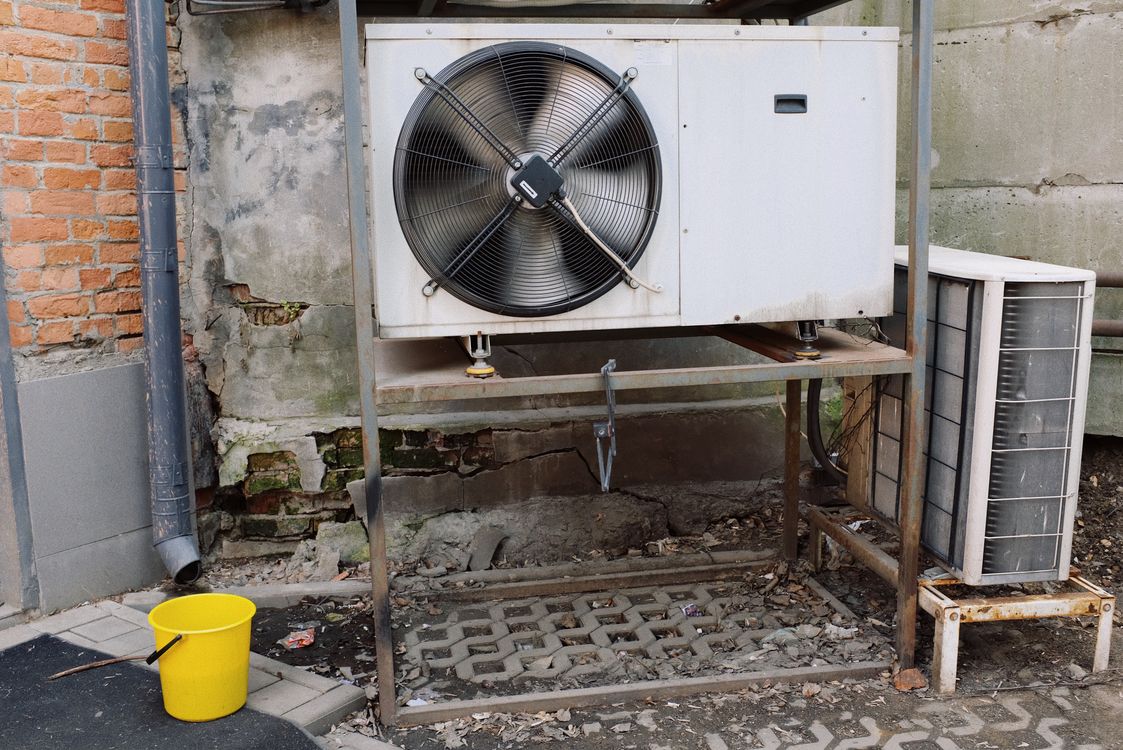
From the condenser delivery to the final commissioning sign-off — the right HVAC field service platform tracks every installation stage automatically.
Who SubcontractorHub Is NOT For
- Pure service-call HVAC businesses. If 90%+ of your revenue is repair calls and maintenance visits with no installation sales team, Housecall Pro or Jobber will serve your needs at a lower cost.
- Solo technicians. The platform is built for teams — reps, project managers, install crews. ROI compounds with headcount.
- High-volume call center operations. If your business runs 50+ service calls per day from a central dispatch, ServiceTitan's call center tools are more mature. SubcontractorHub is optimized for installation sales cycles.
Frequently Asked Questions
What is HVAC field service software?
HVAC field service software manages the workflow for HVAC contractors — scheduling, dispatch, job tracking, and invoicing. For installation contractors, the best platforms connect proposals and CRM to multi-stage installation project management so closed deals automatically become scheduled installations.
What is the best HVAC field service software for installation contractors?
For HVAC contractors running an installation sales team, SubcontractorHub is the top all-in-one choice — AI quoting, built-in sales pipeline, embedded financing, and multi-stage project management in one platform. For pure service-call operations, Housecall Pro or Jobber are simpler options.
How does HVAC field service software differ from service dispatch software?
Service dispatch handles same-day repair calls: a customer calls, a tech is sent, an invoice is sent. Installation field service manages a longer cycle: proposals, sales pipeline, financing approvals, and a multi-week project with permits, equipment, crew, and inspections. Most dispatch tools don't cover this workflow.
Does HVAC field service software include financing tools?
The best platforms for installation contractors embed financing in proposals. SubcontractorHub integrates GoodLeap, Sungage, and LightReach so reps present monthly payment options on-site, and financing approval status tracks in the sales pipeline.
Can HVAC field service software support roofing and solar too?
Most HVAC platforms are single-trade. SubcontractorHub is built for HVAC, roofing, and solar in a single login — pipelines, proposals, financing, and project management across all three trades without switching platforms.
Related Guides
- Best HVAC Software for Contractors in 2026
- Best HVAC CRM Software in 2026
- Best HVAC Scheduling Software in 2026
- Best HVAC Dispatch Software in 2026
- Best HVAC Estimating Software in 2026
- HVAC Field Service Software — Platform Overview
- HVAC Lead Management Software
- HVAC Contractor Software
- Best Housecall Pro Alternatives
- Best ServiceTitan Alternatives
- Best Workiz Alternatives
- Best Roofing CRM Software
- Best Solar CRM Software
What SubcontractorHub Does for HVAC Contractors
If you run an HVAC installation business and your proposals, CRM, and project management are three different logins, SubcontractorHub was built to replace that stack. Book a demo — we'll walk through a live workflow in under 30 minutes: AI-assisted proposal, signed contract, scheduled crew.
Book a DemoHVAC Software, Field Service, Contractor Tools