
Best HVAC Lead Management Software in 2026: A Contractor's Guide
By SubcontractorHub Editorial Team·Published June 2026 · Updated September 2026

Quick Answer
The best HVAC lead management software in 2026 is SubcontractorHub for installation contractors who need a complete pipeline from first lead to closed job — with financing approval tracking and automatic project creation built in. ServiceTitan is the dominant choice for large enterprise HVAC businesses with deep service call operations, while HouseCall Pro and Jobber serve smaller teams focused on dispatch rather than installation sales. Book a demo to see the full pipeline in action.
HVAC installation businesses lose revenue in one place more than any other: the gap between a lead coming in and a signed contract. Reps forget to follow up. Financing approvals get lost in email threads. Managers have no visibility into which leads are stalling and why. And when a job finally closes, someone has to re-enter the data into a separate project tool.
The right HVAC lead management software eliminates all of that. This guide breaks down the top platforms for installation contractors, compares them head-to-head, and tells you exactly when each one makes sense.
Why HVAC Lead Management Is Different From General CRM
Generic CRMs like HubSpot or Salesforce are built around contact records and deal stages designed for inside sales teams selling software subscriptions. HVAC installation is fundamentally different: your reps are in the field, running appointments, presenting proposals on tablets, and asking customers to make a $8,000–$20,000 decision the same day.
Effective HVAC lead management software needs to handle the specific workflow of installation sales:
- Lead-to-appointment pipeline: track every inbound and D2D lead from first contact through scheduled appointment — with automated follow-up so nothing goes cold
- On-site proposal generation: reps need to build an accurate, branded quote at the customer's home — with multiple equipment tiers and financing options — before they leave the driveway (see our HVAC proposal software guide)
- Financing status inside the lead record: if a customer applied for GoodLeap or Sungage, that approval status should live in the same record as the lead, not in a separate portal
- Rep visibility for managers: managers need to see how many leads each rep has, where they're stalling, and who hasn't followed up in 48 hours — without chasing their team for updates
- Automatic project creation at close: when a deal signs, all the information from the lead — customer details, system specs, install address, financing status — should flow directly into project management with zero re-entry
Most lead management tools handle two or three of these well. The HVAC platform at SubcontractorHub was built to handle all of them in one login.

The best HVAC lead management software connects every appointment, proposal, and financing conversation in a single pipeline view — so managers see exactly where each deal stands without asking their team.
5 Questions to Ask Before Choosing HVAC Lead Management Software
- Does the pipeline match how your sales cycle actually works? HVAC installation stages — lead, appointment, proposal presented, financing applied, contract signed, project scheduled — need to be native, not configured from a generic deal stage list. Ask if you can demo a real pipeline on day one.
- Is financing tracked inside the lead, or in a separate system? Every HVAC installation company offers financing. If your reps have to toggle between a lead management tool and a separate lender portal to check approval status, you're losing time and deals. Financing should live inside the pipeline.
- What happens when a job closes? The best HVAC lead management software auto-creates an installation project the moment a deal signs. If your reps have to hand off manually — an email, a re-entered form, a Slack message — you have a handoff leak that will cost you jobs.
- What does rep visibility look like for managers? You should be able to see every rep's open leads, how many appointments they've run, their close rate, and which leads haven't been touched in 48 hours — from a single dashboard, without building a report.
- Does it work on a tablet in the field? Your reps are not at a desk. The lead management tool needs to work offline or on mobile at the customer's home. Desktop-only tools get abandoned within 30 days of rollout.
SubcontractorHub
See How Top Contractors Close More Jobs
AI proposals, sales pipeline, and project management — all in one platform.
- ✓AI-powered proposals in the field
- ✓CRM built for contractor sales
- ✓Project tracking from sale to install
30 minutes. No commitment.
Head-to-Head: Best HVAC Lead Management Software in 2026
Platform-by-Platform Breakdown
ServiceTitan
Pros: The most feature-complete platform on the market; deep marketing attribution with Marketing Pro; strong for large multi-location HVAC operations; integrates with a wide range of third-party tools.
Cons: Pricing starts at $245–$400+ per technician per month, with $15,000–$25,000 mandatory onboarding fees; 6–8 week implementation timeline; built primarily for service call dispatch rather than installation sales pipelines. See our ServiceTitan alternatives breakdown for the full comparison.
HouseCall Pro
Pros: Easy to set up; strong for small HVAC service teams focused on dispatch and scheduling; solid mobile app; affordable entry pricing.
Cons: No visual pipeline board for installation sales; no financing integration inside lead records; not designed for the installation contractor who runs a D2D or field sales team presenting on-site proposals. See our HouseCall Pro alternatives for a full breakdown.
Jobber
Pros: Very affordable; good for solo techs and small crews; clean quoting and scheduling interface; strong client portal.
Cons: No dedicated lead pipeline or kanban board; no financing tracking; no installation project management for multi-week HVAC jobs; built for recurring service visits, not high-ticket replacement sales. Most installation contractors outgrow it quickly. See our Jobber alternatives guide.

The best HVAC lead management software works at the customer's home — reps present proposals, check financing approval, and collect a signature before leaving the driveway.
Why SubcontractorHub Is the Best HVAC Lead Management Software for Installation Teams
Most HVAC contractors running installation businesses are doing their lead management in three or four places: a shared spreadsheet for the list, a separate CRM for follow-up, a lender portal for financing, and a text chain for handoffs to ops. Every gap between those tools costs a deal.
SubcontractorHub's HVAC lead management platform was built to replace that stack. Here is what that looks like in practice:
Sales Velocity gives managers a real-time visual pipeline of every open HVAC lead — from first contact through signed contract. Rep activity, follow-up timing, close rates, and pipeline value are visible at a glance. No spreadsheet refresh required.
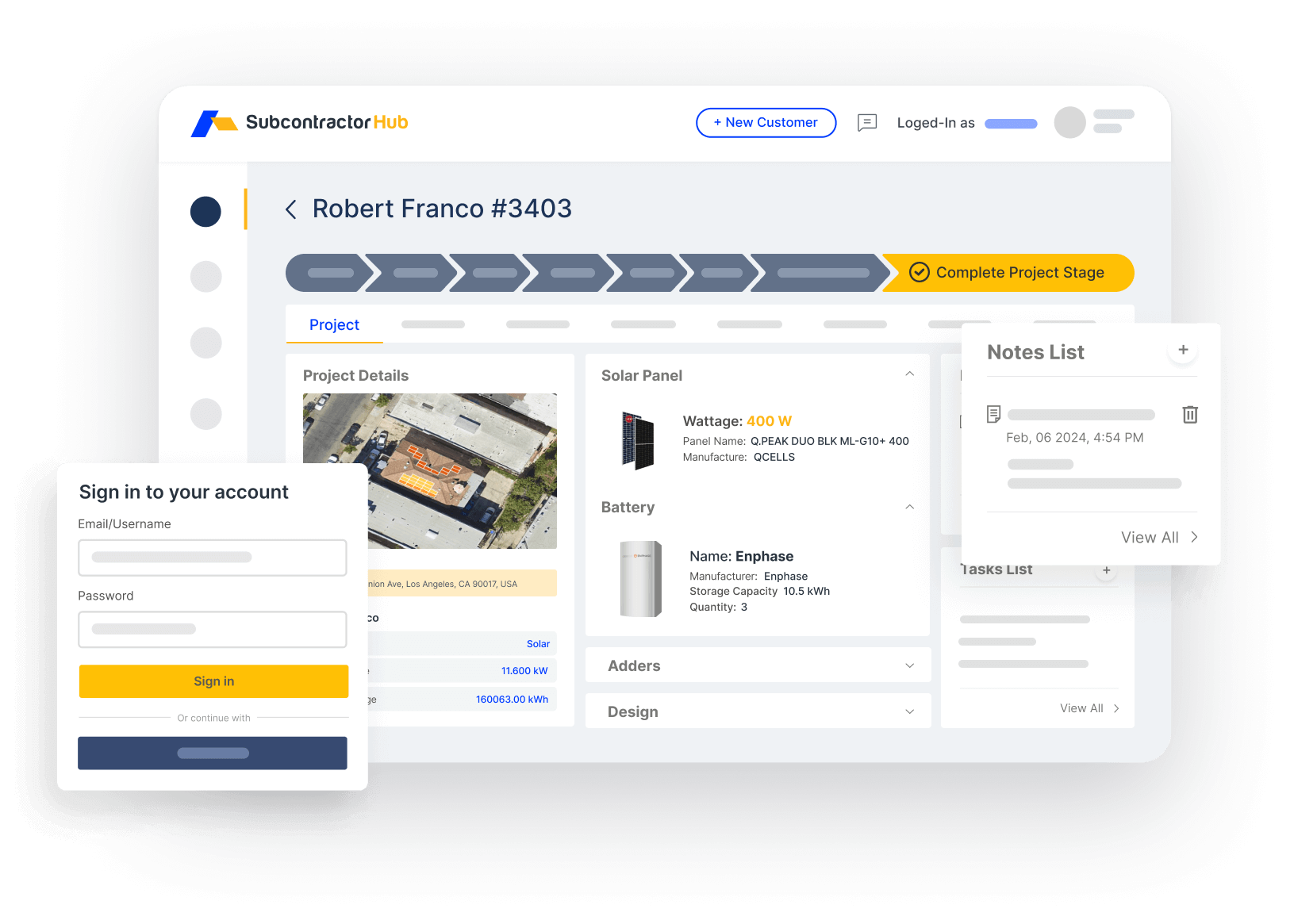
Sales Velocity: visual HVAC lead pipeline from first contact to signed contract — with rep-level visibility for managers
EasyQuote lets reps build accurate HVAC system proposals on a tablet at the customer's home — multiple equipment tiers, adders, and financing options from GoodLeap, Sungage, and LightReach — and collect a signature before leaving. The financing application and approval status are tracked inside the same lead record, not in a separate portal.
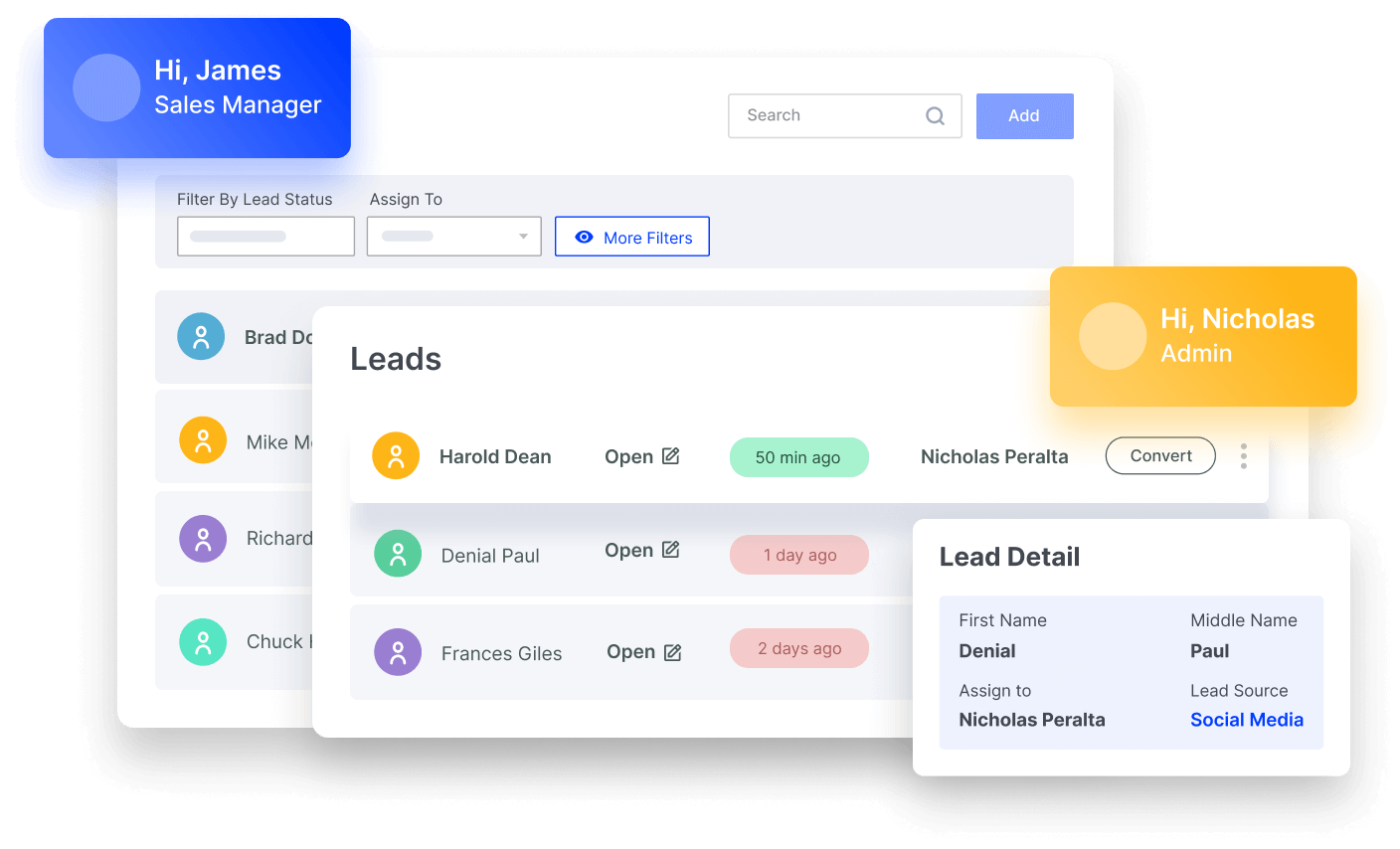
EasyQuote: HVAC proposals with multiple equipment tiers and embedded financing — built for on-site close
When a deal signs, every detail from the lead — system specs, customer info, financing status, job notes — flows directly into Project Management. Operations gets a ready-to-schedule installation project with zero re-entry. The sold-job handoff that typically costs 30–60 minutes of admin time per deal just disappears.
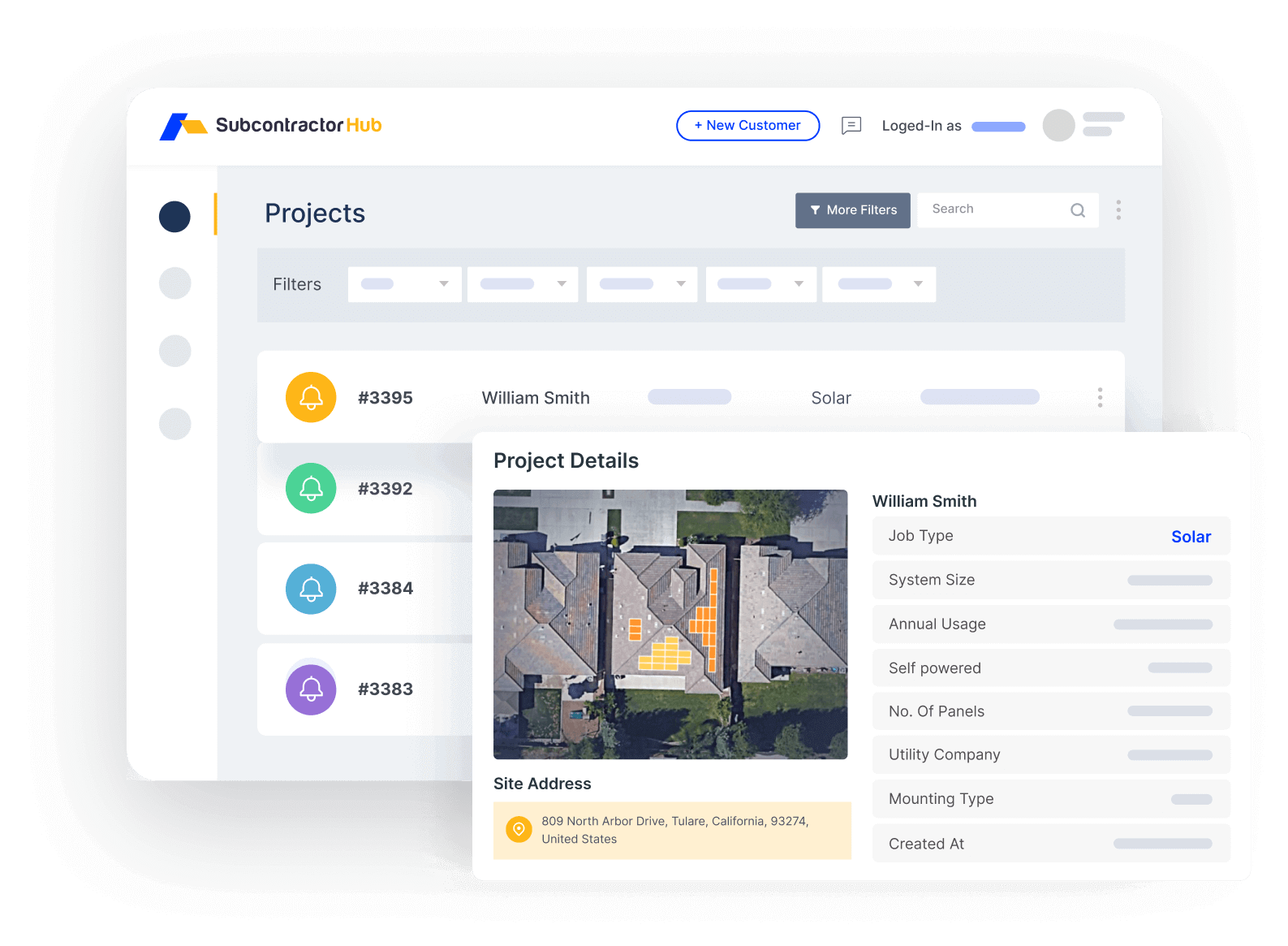
Project Management: HVAC installation projects auto-created from signed proposals — permit tracking, equipment delivery, crew scheduling, and inspection sign-off in one platform
For contractors also doing roofing or solar, this same pipeline and project management covers all three trades in one login. You don't need to set up a new tool when you add a vertical.

HVAC lead management software that connects the sales pipeline to installation project management eliminates the most common source of dropped jobs — the handoff between reps and ops.
AI Lead Tracking and Automated Follow-Up for HVAC in 2026
The biggest change in HVAC lead management since this guide was first published is AI in the first few minutes of a lead. AI voice agents now answer overflow and after-hours calls, and text-back tools reply to missed calls and web forms. Some platforms also score leads by source and job type. These tools are useful when they feed the pipeline and harmful when they create another inbox that nobody checks. Here's what each layer should do:
| Lead moment | What automation should do | Where it must land |
|---|---|---|
| Missed or after-hours call | AI voice answering or instant text-back; capture system age, no-heat/no-cool urgency, and address | A new lead record with the call summary attached, not a voicemail |
| Web form / ad lead | Reply within minutes with booking options; tag the source and campaign | Pipeline stage "New" with source attribution for cost-per-sale reporting |
| Replacement estimate sent | Timed follow-up by text and email; resend the proposal with financing options | The same record as the proposal, so the rep sees opens and views |
| Financing pending | Alert the rep when an application is approved or stalls | Lead record financing status. See contractor financing |
| Lost / not now | Move to a long-cycle nurture (seasonal tune-up offers, rebate deadlines) | A reactivation list you can call before peak season |
Before you buy an AI voice or lead-scoring add-on, check two things. First, does it write back into your CRM automatically, or does someone have to copy leads in by hand? Second, can a manager see response time by rep and by source? If both answers are yes, the tool pays for itself in booked calls you would otherwise have missed. For the platform side, see our AI CRM for contractors overview and the full HVAC contractor software platform. For filling the top of the funnel, see how to get HVAC leads.
Who SubcontractorHub Is NOT the Right Call For
- Pure service-call businesses. If your team runs 40 dispatch tickets a day and the average ticket is $300, ServiceTitan or HouseCall Pro are built for that volume. SubcontractorHub is designed for installation sales — higher-ticket, multi-week jobs.
- Solo technicians. The platform is built for teams: reps, managers, and ops working on multiple leads and projects simultaneously. A one-person shop will underutilize it.
- Enterprise HVAC companies needing deep ERP integrations. SubcontractorHub serves growing contractors, not Fortune 500 procurement departments. If you need custom enterprise contracts and API-first architecture for a 500-person service org, talk to ServiceTitan.
Frequently Asked Questions
What is the best HVAC lead management software in 2026?
For installation contractors who need a complete pipeline with financing tracking and automatic project creation, SubcontractorHub is the top choice. ServiceTitan is best for large enterprise HVAC operations. HouseCall Pro and Jobber are better fits for small service-call-focused teams.
What features should HVAC lead management software include?
A visual pipeline matching your actual sales cycle, financing status tracking inside each lead record, on-site proposal generation, rep activity dashboards for managers, automated follow-up, and automatic project creation when a deal closes. The best platforms combine all of this in one login.
How is HVAC lead management different from general CRM?
HVAC installation leads involve proposals, financing applications, equipment selections, and multi-week installation timelines. Generic CRMs require months of configuration to handle these workflows. HVAC-specific platforms like SubcontractorHub have these stages built in from day one.
Can I manage HVAC leads and installation projects in the same tool?
Yes — SubcontractorHub handles both. When a deal signs, all lead data flows directly into project management with zero re-entry. Your ops team gets a ready-to-schedule installation project the moment a contract is signed.
Does HVAC lead management software work for multi-trade contractors?
Most HVAC platforms are single-trade. SubcontractorHub supports HVAC, roofing, and solar in one platform — same pipeline, same project management, same dashboard for all three trades.
Is AI lead tracking worth it for an HVAC company?
For most HVAC contractors, the payoff from AI comes from answering and routing leads faster rather than from predictive scoring. AI phone answering and text-back make sure after-hours and overflow calls get a reply and a booked appointment instead of a voicemail. Automated follow-up keeps unsold estimates warm, and a lead record that shows source, equipment interest, and financing status tells the rep which callback matters most. None of it helps unless the lead lands in the same system as the proposal and the job, so connect the AI tools to your pipeline instead of adding another inbox.
Related Reading
What SubcontractorHub Does for HVAC Contractors
If your HVAC team is managing leads in spreadsheets, losing financing approvals in email, and manually handing off deals to ops, SubcontractorHub was built for exactly this problem. Book a demo and we'll walk through a live workflow: lead in, proposal out, deal signed, project created — all in one platform.
Book a DemoHVAC Software, Lead Management, Contractor Tools