
How Much Does It Cost to Replace a Roof in 2026? (Full Breakdown)
By SubcontractorHub Editorial Team·Published June 2026
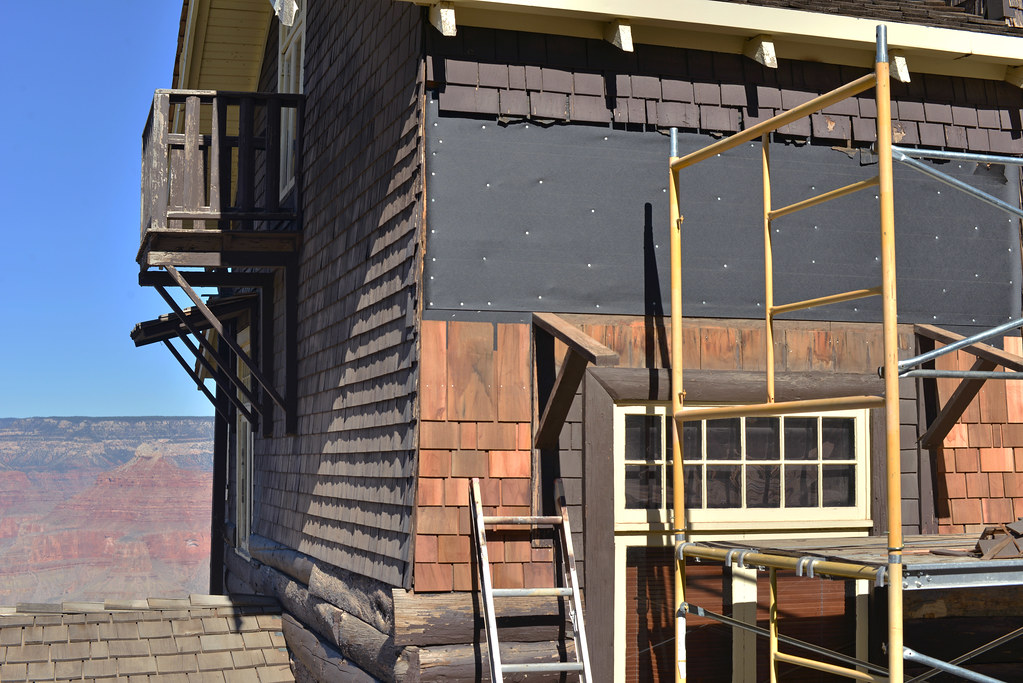
Quick Answer
The cost to replace a roof in 2026 typically ranges from $5,500 to $12,000 for a standard asphalt shingle roof on a 1,500 to 2,000 square foot home. Metal roofing runs $12,000 to $25,000+, tile roofing $15,000 to $35,000+, and flat/TPO roofing $4,000 to $16,000 depending on surface area. Your final number depends on roof size, material choice, pitch, number of layers being removed, local labor rates, and permit fees.
If you are asking how much it costs to replace a roof, you are probably staring at a leak, a hail-damaged shingle, or an inspection report that says your roof has two years of life left. Whatever the trigger, roof replacement is one of the largest home improvement investments most homeowners make — and the price range is wide enough to be genuinely confusing.
This guide breaks down roof replacement costs by size and material, explains every factor that affects your quote, and helps you understand what to expect when a contractor arrives to give you a number. We also cover how today's roofing contractors generate fast, accurate quotes — and what that means for you as a homeowner shopping for the best price.
Average Roof Replacement Cost in 2026
The national average cost to replace a roof in 2026 is approximately $8,500, with most homeowners spending between $5,500 and $14,000. That wide range reflects the enormous variation in home size, roof complexity, material grade, and regional labor costs. A small ranch home in the Midwest will cost far less than a two-story colonial in coastal California or the Northeast.
Here is a fast-reference breakdown by material category:
- Asphalt shingles: $3.50 – $5.50 per square foot installed
- Metal roofing (standing seam or ribbed panels): $8 – $14 per square foot installed
- Concrete or clay tile: $10 – $18 per square foot installed
- Flat/TPO membrane: $4 – $7 per square foot installed
- Slate: $15 – $30+ per square foot installed (premium)
Those per-square-foot numbers include both labor and materials, which together typically account for 40% and 60% of the total job cost respectively. Labor rates vary significantly by region — contractors in high cost-of-living metros charge 20–40% more than rural markets.
Cost by Roof Size: From 1,000 to 3,000 Square Feet
The single biggest driver of how much it costs to replace a roof is the size of your roof — measured in roofing squares (one square = 100 square feet). Keep in mind that your roof surface is always larger than your home's footprint due to pitch and overhangs. A 2,000 square foot home may have 2,200 to 2,600 square feet of actual roof surface.
Use this table as a starting estimate. Final pricing from a contractor will reflect your specific roof geometry, pitch, and local labor market.
SubcontractorHub
See How Top Contractors Close More Jobs
AI proposals, sales pipeline, and project management — all in one platform.
- ✓AI-powered proposals in the field
- ✓CRM built for contractor sales
- ✓Project tracking from sale to install
30 minutes. No commitment.
Estimated Roof Replacement Cost by Size and Material
Estimates reflect 2026 national averages for installed cost including labor and materials. Regional pricing, roof pitch, removal of existing layers, and permit fees are not included and will affect your final quote.
The cost to replace a roof varies dramatically by material. Asphalt shingles remain the most affordable option, while metal and tile command a significant premium.
What Affects the Cost of Replacing a Roof
When homeowners compare two quotes and find a $3,000 gap, it is almost never about one contractor cheating you. It is usually about specific line items that are handled differently. Here is what actually moves the number.
Pitch and Slope
A steep roof (above a 6/12 pitch) is harder and slower to work on safely. Most contractors charge a steep-slope premium of 15–30% on top of standard labor rates. A low-slope or flat roof eliminates this premium but may require different membrane materials and drainage considerations.
Material Selection
Material is the single largest cost variable. Choosing architectural asphalt shingles over 3-tab adds modest cost but meaningfully improves durability and curb appeal. Upgrading from asphalt to metal or tile can double or triple the material cost. See the full material comparison in the next section.
Removal of Old Roofing Layers
Most building codes allow a maximum of two layers of roofing material. If your home already has two layers, complete tear-off is required before new material can go on. Tear-off adds $1,000 to $2,500 to most projects and generates significant disposal fees for the dumpster and dump fees.
Location and Local Labor Rates
Labor costs in the United States vary significantly by region. Roofing labor in markets like San Francisco, New York, or Boston runs 30–50% higher than in Midwestern or rural Southern markets. Seasonal demand also affects pricing: spring and fall are peak roofing seasons, and contractors in high demand may quote higher than the same crew in winter.
Roof Complexity
A simple gable roof with two planes is fast and straightforward to replace. A roof with multiple dormers, valleys, skylights, chimneys, or hips takes significantly more time to cut and flash correctly. Each penetration (chimney, skylight, vent) adds labor time and flashing material costs.
Permits
Most jurisdictions require a permit for a full roof replacement. Permit fees range from $150 to $500+ depending on your municipality. Any contractor who offers to skip permits to lower the price is a red flag — an unpermitted roof can affect your home insurance coverage and resale value.
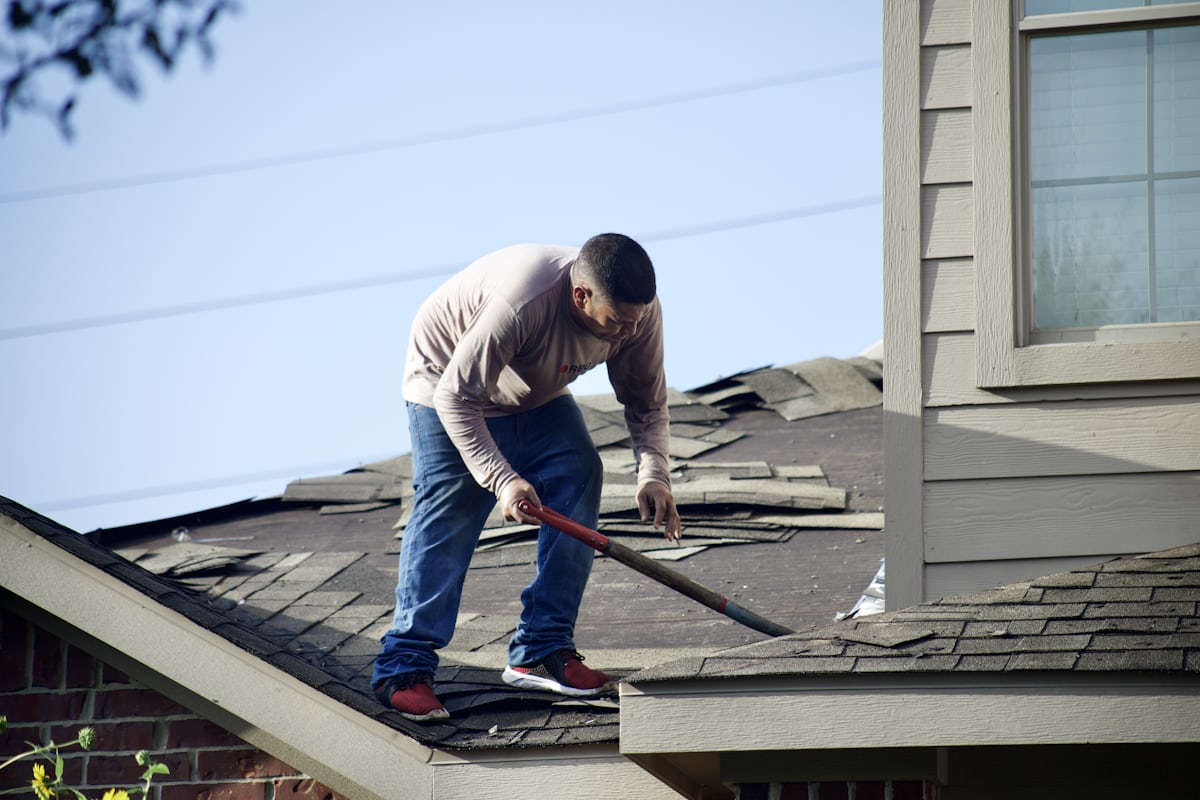
A thorough roof inspection is the first step toward understanding the true cost to replace a roof — including hidden damage that affects scope and pricing.
Roofing Material Cost Comparison
Here is how the four main residential roofing materials compare on cost, lifespan, and best-fit application. No single material is best for every home.
Asphalt Shingles
Cost: $3.50 – $5.50/sq ft installed. Lifespan: 20–30 years (architectural); 15–20 years (3-tab). Asphalt is the most widely installed roofing material in the U.S. for good reason: it is affordable, available in hundreds of styles and colors, and relatively easy to repair. If you are replacing a roof for resale or on a budget, architectural asphalt shingles offer the best value. Drawbacks: lower lifespan than metal or tile, and performance degrades faster in extreme heat or frequent hail.
Metal Roofing
Cost: $8 – $14/sq ft installed. Lifespan: 40–70 years. Standing seam metal roofing has moved from commercial applications into residential mainstream over the last decade. It is highly resistant to wind, hail, fire, and snow, and energy efficient due to its reflectivity. The upfront cost is 2–3x asphalt, but the lifespan can be 2–3x as well, making total cost of ownership competitive on a long hold. Metal also adds measurable resale value in certain markets. Drawbacks: higher upfront cost, expansion and contraction noise in temperature swings, and fewer contractors are certified to install it correctly.
Tile Roofing (Concrete and Clay)
Cost: $10 – $18/sq ft installed. Lifespan: 40–50+ years (concrete); 50–100 years (clay). Tile is the premium choice in markets like Florida, California, and the Southwest, where the aesthetic is expected and the climate suits the material. Tile is extremely durable, fire-resistant, and low-maintenance once installed. Drawbacks: heavy — not every home's structure can support tile without reinforcement, which adds cost. Installation is slower and more specialized. Repair is more complicated than asphalt.
Flat / TPO Roofing
Cost: $4 – $7/sq ft installed. Lifespan: 15–25 years. TPO (thermoplastic polyolefin) is the most common flat roof membrane used on residential low-slope sections, commercial buildings, and additions. It is energy efficient, heat-weldable, and relatively affordable. If your home has a flat roof or a low-slope garage addition, TPO is the go-to replacement material. Drawbacks: it does not perform well on steep-pitch applications and requires proper drainage design to avoid ponding water.
Roofing Quote vs Roofing Estimate: What's the Difference?
These two words are used interchangeably by homeowners, but they mean different things in the trades.
A roofing estimate is a preliminary number, often given over the phone or after a brief visual inspection, without precise measurements or a confirmed scope. It is a rough range — useful for budgeting, not for making a decision. Many contractors use estimates early in the sales process to qualify whether the job is a fit before investing time in a formal visit.
A roofing quote is a binding or near-binding document that specifies the exact scope, material brand and grade, removal requirements, warranty terms, payment schedule, and total price. A legitimate roofing quote is generated after a physical inspection and should be line-itemized enough that you can compare it against other quotes on an apples-to-apples basis.
If a contractor gives you a quote without visiting your home, treat it as an estimate. If a contractor gives you a quote that does not specify the material brand and warranty terms, push back and ask for the detail. You want to understand the roofing sales process before you sign anything.

Before signing a roofing contract, make sure your quote includes a full line-item breakdown — material brand, warranty, and labor separated out clearly.
How to Get an Accurate Roof Replacement Quote
Getting accurate pricing is about what you ask for and who you ask. Here is the process that typically yields the most reliable quotes:
- Get at least three quotes from licensed contractors. A minimum of three bids gives you enough data to identify the market rate for your area and spot outliers — both suspiciously low and unreasonably high.
- Require a site visit for every quote. No contractor can give you an accurate price without being on your roof. They need to measure the actual surface, assess the decking condition, identify problem areas (soft spots, damaged flashing, poor ventilation), and confirm how many existing layers need to come off.
- Ask for a line-item breakdown. Labor, materials, tear-off, disposal, flashing, underlayment, ridge cap, and permits should each have a cost associated. A single-number quote tells you nothing about where the money is going.
- Confirm the warranty terms in writing. Most shingle manufacturers offer a 25–50 year product warranty, but only when installed by a certified contractor. Ask whether the contractor is manufacturer-certified and what the workmanship warranty covers separately.
- Verify license and insurance before signing. Your state requires roofing contractors to carry both general liability and workers' compensation insurance. Ask for certificates. If a contractor is not licensed and insured, you are exposed to liability if a worker is injured on your property.
If you are considering financing the project, ask about contractor financing options during the quote process. Many roofing contractors now offer integrated financing that can be presented alongside the quote, which can make the decision easier for you as a homeowner.
How Roofing Contractors Generate Quotes
This section is for the roofing contractor reading this — but homeowners benefit from understanding it too. The more sophisticated your contractor's quoting process, the more accurate your price is likely to be, and the less likely you are to face a change order mid-project.
Historically, roofing quotes were generated from tape measures, paper forms, and experience. A contractor would measure, do the math in their head or on a spreadsheet, and email a PDF a day or two later. This process is slow and introduces errors — transposed measurements, outdated material pricing, forgotten line items like disposal fees.
Today's better contractors use digital roofing quote software that generates an accurate, branded proposal in minutes — often while still on-site. They pull roof measurements from aerial imagery, apply current material pricing, and produce a homeowner-ready quote that can be signed electronically on the spot.
This matters for you because: a contractor who can generate an accurate quote on-site is typically more organized throughout the project. A contractor who takes two weeks to get back to you with a vague number is showing you how they will operate once the job starts.
If you are a roofing contractor looking to improve your quoting process, see how roofing contractor software from SubcontractorHub compares to your current workflow. The platform includes roofing estimating software, a built-in sales CRM, and project management — all in one login.

EasyQuote by SubcontractorHub: roofing contractors can generate a complete, branded roof replacement quote before leaving the homeowner's driveway
EasyQuote is SubcontractorHub's AI-assisted quoting tool built specifically for roofing (and HVAC and solar) contractors. Reps in the field can pull accurate measurements, select material options, apply current pricing, and send a branded proposal for homeowner e-signature — all without calling the office or waiting until they get back to a desk.
Contractors using EasyQuote report faster close rates because homeowners receive their quote while the conversation is still warm, and the proposal looks professional enough to build confidence in the company's competence.
For contractors who want to pair faster quoting with integrated contractor financing, SubcontractorHub surfaces financing options alongside the quote — so the homeowner can see monthly payment options at the same time they see the total project cost. This is increasingly important as roof replacement costs have risen: homeowners who might balk at $12,000 upfront are often willing to proceed when they see $180/month at competitive rates.
The platform also includes a full roofing proposal software module with customizable templates, roofing CRM software for pipeline management, and project management tools that take over once a job is sold. It is not the right fit for solo operators who just need a basic CRM, but for growing roofing companies that want to consolidate their tool stack, it is worth a look.
For roofing contractors:
See how SubcontractorHub helps you generate instant, accurate quotes and close more jobs without the back-and-forth. Built for roofing, HVAC, and solar teams.
See SubcontractorHub for Roofing ContractorsFrequently Asked Questions
How much does it cost to replace a 1,500 square foot roof?
Replacing a 1,500 square foot roof typically costs between $5,500 and $8,500 for standard asphalt shingles. Metal roofing on the same home runs $12,000 to $18,000, while tile roofing ranges from $15,000 to $22,500. Flat or TPO roofing on a 1,500 square foot surface averages $6,000 to $10,500. Final pricing depends on pitch, local labor rates, removal costs, and permit fees.
What is the cheapest type of roofing material for replacement?
Asphalt shingles are consistently the most affordable roofing material, typically costing $3.50 to $5.50 per square foot installed. 3-tab shingles are the lowest-cost option, while architectural (dimensional) shingles add slightly more durability for a modest price increase. Flat or TPO roofing can be similarly priced on low-slope applications, but asphalt remains the default budget-friendly choice for standard pitched roofs.
Does homeowners insurance cover roof replacement?
Homeowners insurance typically covers roof replacement when damage is caused by a covered peril such as wind, hail, or fire. Damage due to age, wear and tear, or lack of maintenance is generally excluded. Whether your insurer pays actual cash value (depreciated) or replacement cost value depends on your policy. Always request an itemized estimate from a licensed roofing contractor before filing a claim.
How long does a roof replacement take?
Most residential roof replacements take one to three days to complete. A standard 1,500 to 2,000 square foot asphalt shingle roof is typically done in a single day by an experienced crew. Larger homes, complex roof designs with multiple valleys and dormers, or premium materials like tile or slate can extend the project to two to four days. Weather delays and permit requirements may also add time.
How do I get an accurate roofing quote?
Get at least three quotes from licensed local roofing contractors. A legitimate quote should specify the exact material brand and grade, the number of layers being removed, the warranty terms, and a line-item breakdown of labor and materials. Be cautious of quotes that arrive without a site visit or that significantly undercut others without explanation. Ask each contractor whether they use digital estimating software to ensure consistent, accurate pricing.
Related Reading
- Roofing Proposal & Quote Software
- Best Roofing Estimating Software: An Honest Comparison
- How to Price Roofing Jobs in 2026: A Contractor's Guide
- The Roofing Sales Process: Step-by-Step Guide
- Contractor Financing Options: What Roofing Contractors Need to Know
- Best Roofing CRM Software in 2026: An Honest Buyer's Guide
- Roof Pitch Calculator — Pitch Ratio, Degrees & Area Multiplier
- Roof Repair vs. Replacement Calculator — Should You Repair or Replace?
- Roof Insurance Claim Calculator — Estimate Your ACV vs. RCV Payout
What SubcontractorHub Does for Roofing Contractors
SubcontractorHub helps roofing contractors generate instant, accurate quotes — before leaving the driveway. EasyQuote, sales pipeline management, built-in financing, and project management in one platform. Book a demo and we'll show you a live workflow in under 30 minutes.
Book a DemoRoofing, Cost Guide, Homeowner Resources