
How to Start an HVAC Membership Program in 2026: Tiers, Pricing & Software
By SubcontractorHub Editorial Team·Published July 2026
Bottom line up front: A membership program is the single best way to turn a lumpy, seasonal HVAC business into predictable recurring revenue — but only if renewals are automatic and tune-ups actually get scheduled. Most programs don't fail on the pitch; they fail on the follow-through. Build the program on software that bills, renews, and schedules for you, and it compounds every year.
Every HVAC owner knows the pattern: revenue spikes in July and January, then goes quiet in the shoulder seasons. A membership program smooths that out. Members pay year-round, book their tune-ups in spring and fall, and — when the system finally dies — call you first. The best-run HVAC companies treat their membership base as the foundation of the business, not a side offer.
This guide walks through how to design, price, sell, and run an HVAC membership program in 2026 — including the mistakes that quietly leak members and the software that keeps recurring revenue recurring.
1. Why HVAC Membership Programs Are Worth Building
A membership isn't really about the tune-up revenue — it's about everything that follows. Members buy repairs at 2–3x the rate of non-members, because they call you instead of shopping around. They convert on system replacements far more often, because the trust is already built. And a base of a few hundred members gives you revenue you can forecast, which changes how you hire, buy inventory, and plan the year.
There's a long-term payoff too: recurring revenue raises the valuation of the business. A buyer pays more for 600 renewing members than for the same revenue in one-time calls. If you ever plan to sell, the membership base is one of the most valuable assets you can build.
2. Design Your Membership Tiers
Three tiers is the sweet spot — enough to anchor pricing, not so many that homeowners freeze. A good-better-best structure lets most customers land on the middle plan while a premium tier lifts your average. Here's a proven starting framework you can adapt to your market:
Offer a monthly payment option on every tier — “$21/month” lands better than “$249/year” even though it's the same money. Monthly billing also improves retention, because there's no once-a-year renewal moment where members reconsider.
3. Price to Your Real Cost of Delivery
Before you set prices, know what a tune-up actually costs you to deliver — technician time, drive time, and any parts or filters included. A common mistake is pricing plans so low that the included visits eat the entire plan revenue, leaving the profit to come only from repairs. That works until a member never books a repair.
A quick way to sanity-check your tiers is to model the plan against your labor and visit cost. Our free HVAC maintenance plan pricing calculator helps you price a membership that stays profitable even before repair revenue — a good starting point before you commit to numbers.

The best time to enroll a member is on-site, right after a completed service call — while the value is fresh
4. Sell Memberships On-Site, Not by Mail
The highest-converting moment to enroll a member is at the end of a service or install call, while the technician is still on-site and the value of the visit is fresh. Train every tech to close the visit with a simple offer: “I'd recommend our maintenance plan — it covers two tune-ups a year, gets you 15% off any repairs, and puts you at the front of the line if something breaks in a heat wave. Want me to set that up before I go?”
For a full breakdown of the on-site pitch, objection handling, and proven scripts, see our companion guide on how to sell HVAC maintenance agreements. The key is making enrollment effortless — a rep should be able to sign a member on a tablet in under a minute, not send them home with a paper form that never comes back.
5. The Real Challenge: Keeping Renewals High
Selling the first membership is easy. Keeping it is where most programs quietly bleed. If renewals are manual and tune-ups depend on someone remembering to call, you'll lose 20–40% of members a year — and every lost member is recurring revenue that doesn't come back.
The two levers that protect retention:
- Automatic renewals — bill monthly or auto-renew annual plans so there's no active cancel decision each year. Members who have to opt in again every 12 months churn far faster than those on continuous billing.
- Delivered visits — a member who never gets their tune-up feels ripped off and cancels. Every seasonal visit due should surface automatically so nothing slips.
- Proof of value — a short renewal recap (“this year we completed 2 visits, replaced 4 filters, and caught a failing capacitor”) reminds members why they pay.
This is exactly where HVAC membership software earns its keep. Instead of a spreadsheet of members and a mental note to call people, the platform tracks every plan tier, renewal date, and visit — auto-renews billing, sends reminders, and surfaces every member due for service.
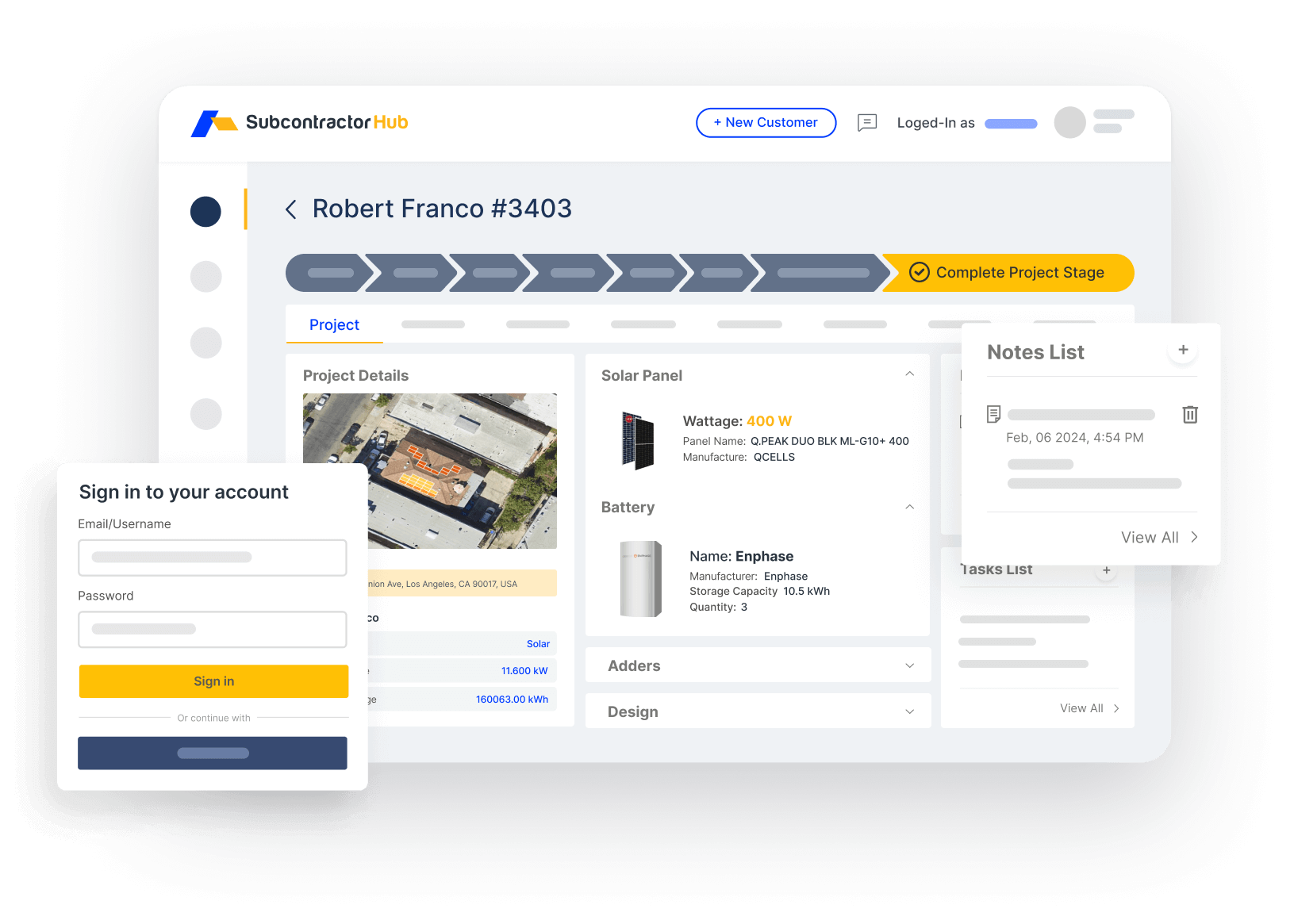
SubcontractorHub keeps every member, plan, and renewal in one place — so recurring revenue doesn't leak between visits
6. Turn Members Into Your Replacement Pipeline
The biggest payoff from a membership base isn't the plan fees — it's the replacements. Members let you into their home twice a year, so you know exactly which systems are aging. When a member's equipment hits 12–15 years, that's the warmest replacement lead you'll ever get.
The winning play is to flag aging equipment automatically and let your rep present a full replacement proposal — with embedded monthly financing — right in the member's record. A homeowner who hears “$185/month” instead of “$11,000” closes at a dramatically higher rate. Pairing a trusted membership relationship with instant financing through embedded contractor financing is one of the highest-converting sales motions in HVAC.
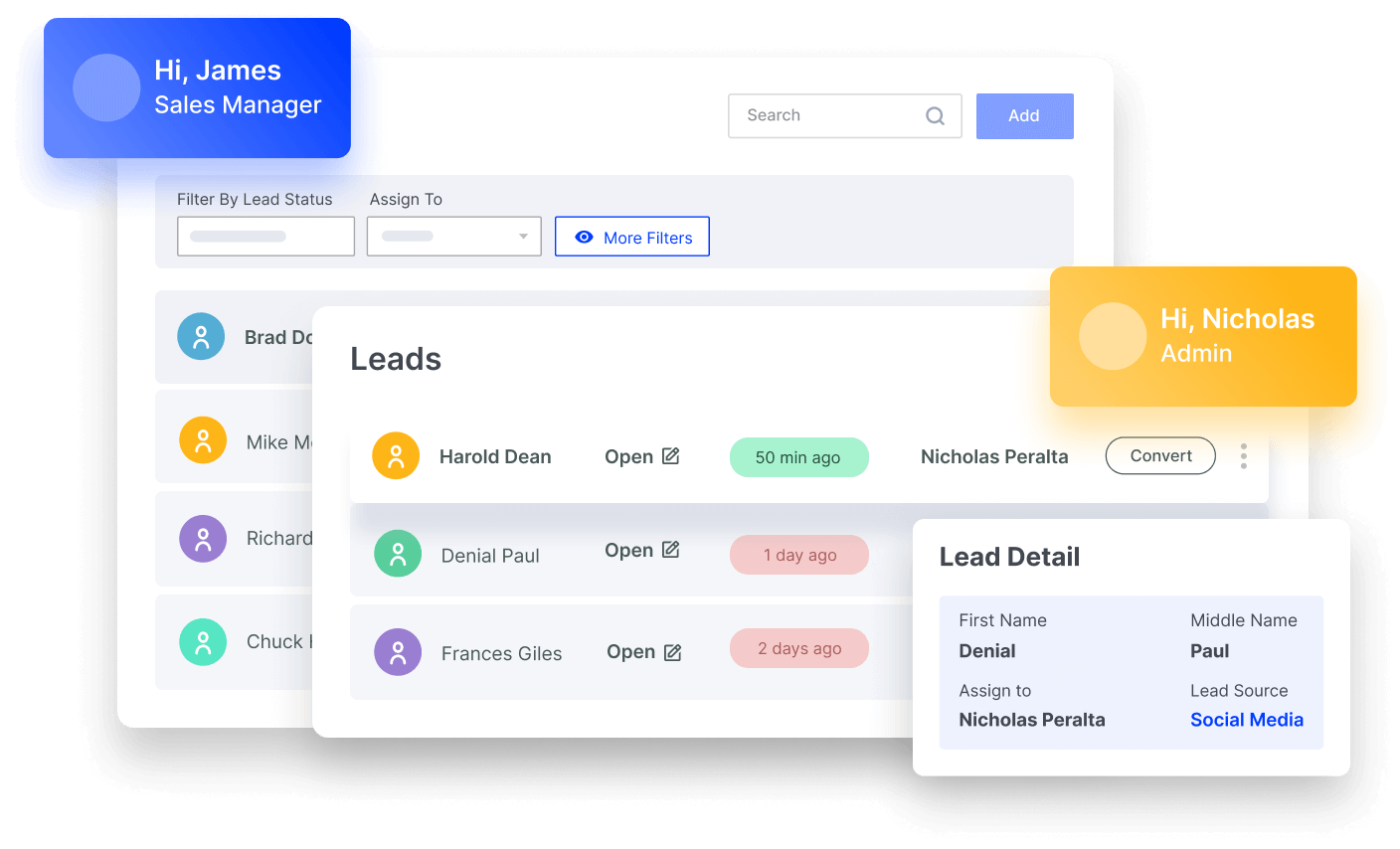
When a member's system ages out, reps present a financed replacement on the spot — maintenance and replacement revenue feed the same pipeline
7. The Software That Runs It All
A membership program has too many moving parts to run on spreadsheets once you pass a few dozen members. You need one system that handles tier setup, recurring billing and auto-renewals, tune-up scheduling, and member records — connected to your CRM and proposals so members flow straight into a replacement pipeline.
HVAC contractor software that connects memberships, sales, proposals, and financing in one platform is what separates a program that compounds from one that leaks. SubcontractorHub was built for exactly this — see SubcontractorHub for HVAC for how it fits the full sales-to-service lifecycle.
Frequently Asked Questions
What is an HVAC membership program?
A recurring service plan homeowners pay for monthly or annually in exchange for seasonal tune-ups, priority scheduling, repair discounts, and waived diagnostic fees. It converts one-time customers into recurring members — creating predictable revenue and a base that turns to you first for replacements.
How much should I charge for an HVAC membership?
Most plans price between $12–$30/month, or $150–$350/year, by tier. A common structure is Silver (~$149/yr, one tune-up), Gold (~$249/yr, two tune-ups plus a 15% repair discount), and Platinum (~$349/yr, two tune-ups plus 20% off and no diagnostic fees). Price to your local market and true cost to deliver a visit.
Are HVAC membership programs profitable?
Very. Members buy repairs at 2–3x the rate of non-members, close on replacements far more often because they already trust you, and smooth out seasonal revenue swings. The recurring base also raises the value of the business at sale.
How do I keep HVAC members from cancelling?
Deliver every visit members paid for, and make renewals automatic. Programs that rely on manual scheduling and paper renewals leak members every year. Membership software that auto-renews billing, sends reminders, and surfaces every member due for a tune-up keeps retention high without adding admin.
What software do I need to run an HVAC membership program?
Software that handles membership tiers, recurring billing and auto-renewals, tune-up scheduling, and member records in one place — connected to your CRM and proposals so members flow into a replacement pipeline. SubcontractorHub's HVAC membership software does this and embeds financing so aging members convert to financed replacements on the spot.
Related Guides
- How to Sell HVAC Maintenance Agreements: A Contractor's Playbook
- How to Grow an HVAC Business in 2026
- HVAC Marketing Guide 2026
- Best HVAC Maintenance Software in 2026
- Best HVAC Service Agreement Software in 2026
- → HVAC Membership Software
- → HVAC Contractor Software Platform
- → SubcontractorHub for HVAC
- HVAC Maintenance Plan Pricing Calculator
What SubcontractorHub Does for HVAC Contractors
30-minute demo. See membership tiers, recurring billing, tune-up scheduling, and embedded financing for an HVAC installation business.
Book a DemoHVAC Recurring Revenue, Membership Programs, Contractor Growth
SubcontractorHub
See How Top Contractors Close More Jobs
AI proposals, sales pipeline, and project management — all in one platform.
- ✓AI-powered proposals in the field
- ✓CRM built for contractor sales
- ✓Project tracking from sale to install
30 minutes. No commitment.