
HVAC Careers
HVAC Certification in 2026: EPA 608, NATE, and What Actually Pays
Published August 2026 · 9 min read
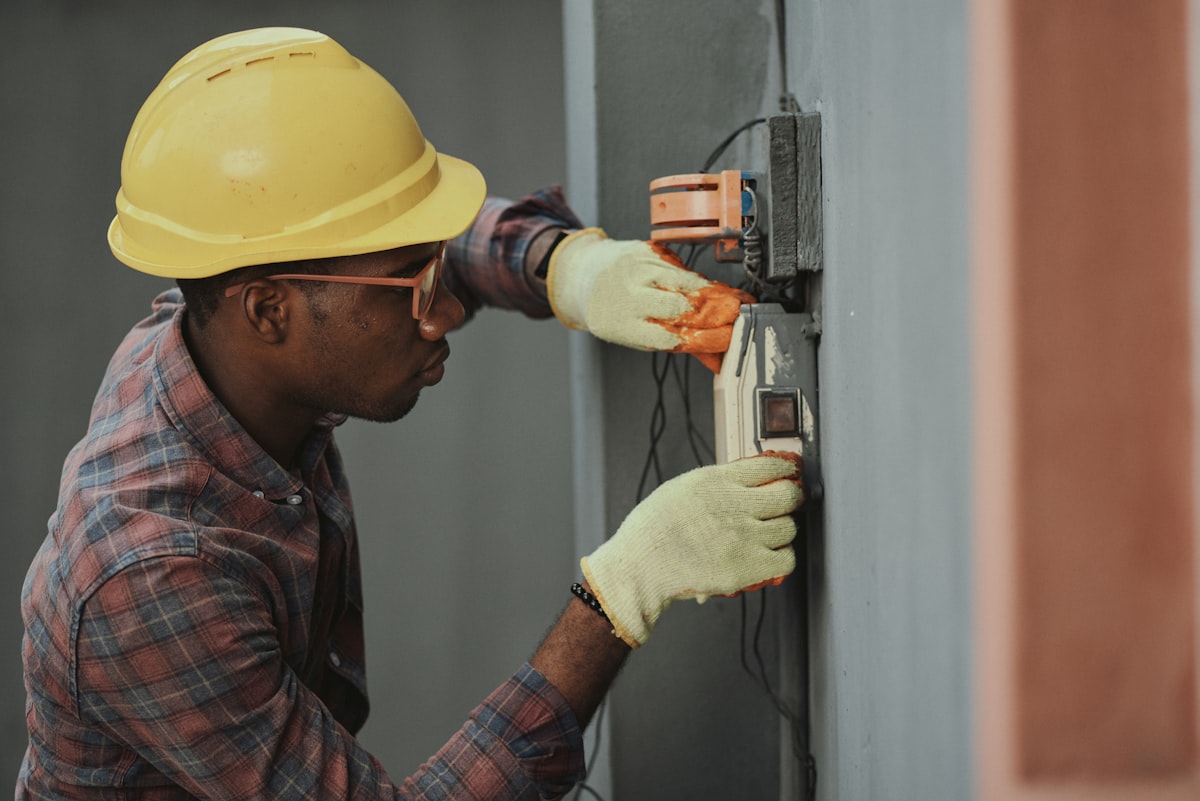
Exactly one HVAC certification is legally required: EPA Section 608. Everything else — NATE, HVAC Excellence, manufacturer credentials — is voluntary and exists to prove you are worth more than the technician standing next to you. Most articles on this topic blur that line, and it matters, because the required one takes a day and the valuable one takes two years of field experience.
A third thing gets confused with both: an HVAC license is legal permission to contract for work, issued by a state, and is a separate track entirely — covered in how to get an HVAC license. This guide is about certification. For what any of it is worth in dollars, see HVAC technician salary by state.
Every HVAC Credential, Compared
| Credential | Status | Cost | Time |
|---|---|---|---|
| EPA Section 608 | Required by federal law | $25 – $150 | Days |
| NATE | Voluntary | $95 – $180 per exam | ~2 yrs experience first |
| HVAC Excellence | Voluntary | $40 – $150 per exam | Varies by level |
| Manufacturer (Carrier, Trane, Lennox…) | Voluntary | Often free to dealers | 1 – 3 days |
| EPA 609 | Required for MVAC only | $20 – $60 | Hours |
| State contractor license | Required in most states to contract | $100 – $1,000+ | 2 – 5 yrs experience |
EPA 608: The One You Cannot Skip
Section 608 of the Clean Air Act requires certification for anyone who maintains, services, repairs, or disposes of equipment that could release regulated refrigerants. In practice: you cannot legally buy refrigerant or open a sealed system without it, and suppliers ask for the card. Penalties are federal and run to tens of thousands of dollars per violation.
There are four ways to hold it:
- Type I — small appliances, 5 lb of refrigerant or less: window units, domestic refrigeration, vending
- Type II — high-pressure systems: most residential and commercial split systems, heat pumps, supermarket racks
- Type III — low-pressure systems: primarily centrifugal chillers
- Universal — all three, and the one to take
The core section plus your chosen type is open-book and proctored. Universal costs marginally more than Type II and closes the question permanently — take it. The certification never expires and has no continuing education requirement, so photograph the card the day you get it. Replacing a lost card means going back to the original proctor, and record-keeping across proctors is uneven.
NATE: The One That Moves Wages
North American Technician Excellence is the most widely recognised voluntary credential in the trade. It is not a beginner certification — the exams assume real field experience, and roughly two years of hands-on work is the usual recommendation before attempting a specialty.
It matters for three commercial reasons beyond the technician's own pay. Several manufacturers require NATE-certified technicians for premium dealer status. Some utility rebate programmes require certified installers for the customer to receive the incentive. And callbacks — the silent margin killer in residential HVAC — measurably drop. That is why many contractors pay the exam fee and a differential on top: it pays for itself in truck rolls not taken.
Certified Techs Are Expensive. Wasted Trips Are Worse.
SubcontractorHub gives HVAC contractors scheduling, dispatch, quoting, and financing on one record — so a NATE-certified tech spends the day on billable work instead of driving back for a part or a signature. See HVAC contractor software.
Book a DemoThe Fastest Route to Paid HVAC Work
- Get EPA 608 Universal first. A week of study and a proctored exam. It costs almost nothing and immediately makes you employable.
- Take a helper or apprentice position. You earn while learning, and the hours count toward the experience most state licenses require later. See how HVAC apprenticeships work.
- Add manufacturer certifications as your employer's dealer relationships allow. Usually free, often a day, and they unlock warranty work.
- Sit NATE at around two years. This is the point where the credential converts to money rather than just a line on a résumé.
- Pursue a state license only if you intend to run the business or need it to pull permits in your own name.
For Contractors: What to Pay For
Certification is one of the cheapest retention levers available. EPA 608 for a helper costs less than a single service callback; NATE exam fees cost less than a week of a technician's loaded wage. Both are strongly associated with staying — technicians rarely leave the employer who paid to advance them. Cost it properly with the labor burden calculator and benchmark what a certified tech should earn in your state with the HVAC technician salary calculator.
Frequently Asked Questions
What HVAC certification do I actually need?
Only one is legally required: EPA Section 608 certification, which federal law mandates for anyone who purchases, handles, or disposes of regulated refrigerants. Without it you cannot legally buy refrigerant or open a sealed system. Everything else — NATE, HVAC Excellence, manufacturer credentials — is voluntary and exists to prove competence to employers and customers. A separate question is licensing: many states require a contractor license to perform or sell HVAC work, which is a legal permission to operate and is not the same thing as certification.
How much does HVAC certification cost?
EPA 608 typically costs $25 to $150 depending on the proctor and whether you buy a prep course. NATE certification runs about $95 to $180 per specialty exam plus the core exam. HVAC Excellence is broadly similar. Manufacturer certifications are often free if your employer is a dealer. Compared with the four to five years and thousands of dollars an electrical or plumbing licence path demands, HVAC certification is inexpensive — the cost is study time, not money.
What are the four types of EPA 608 certification?
Type I covers small appliances containing five pounds or less of refrigerant — window units, domestic refrigerators, vending machines. Type II covers high-pressure appliances, which is most residential and commercial split systems, heat pumps, and supermarket racks. Type III covers low-pressure appliances, primarily centrifugal chillers. Universal certification means you passed all three. Most residential and light-commercial technicians need Type II at minimum, and Universal is worth the extra effort because it never has to be revisited and costs little more.
Does EPA 608 certification expire?
No. EPA Section 608 certification is issued for life and has no renewal requirement or continuing education. Keep the card — replacing a lost one means contacting the original certifying organisation, and some proctors keep poor records, so photograph it. Note that EPA 609, the separate certification for motor vehicle air conditioning, is a different credential and does not substitute for 608.
Is NATE certification worth it?
For a technician planning to stay in the trade, generally yes. NATE is the most widely recognised voluntary credential in HVAC, and contractors commonly pay a differential for it because it reduces callbacks and is a selling point with customers. It also matters commercially: several manufacturers require NATE-certified technicians for premium dealer status, and some utility rebate programmes require certified installers. The credential does not transform a weak technician, but among otherwise similar candidates it is a genuine tiebreaker and a defensible reason to ask for more.
How long does it take to get HVAC certified?
EPA 608 can be done in a day — many technicians study for a week and take the open-book proctored exam in an afternoon. NATE requires real field experience to pass; the recommendation is roughly two years of hands-on work before attempting the specialty exams. A full HVAC training programme at a trade school or community college runs six months to two years and typically includes EPA 608 preparation. The fastest legitimate route into paid work is EPA 608 plus an apprenticeship or helper position, earning while training.
What is the difference between HVAC certification and an HVAC license?
Certification proves you know something; a license grants legal permission to do something. EPA 608 and NATE are certifications issued by federal regulation and private bodies. An HVAC contractor license is issued by a state or municipality and is what allows you to contract for work, pull permits, and advertise as a contractor. A technician can work for a licensed contractor with only EPA 608. To run your own HVAC business, most states require you to hold a license, usually involving documented experience, an exam, insurance, and a bond.
Can you do HVAC work without certification?
You can legally perform HVAC work that never touches refrigerant — duct fabrication and installation, sheet metal, airflow balancing, controls and thermostat work, and general installation labour — without EPA 608. The moment you open a refrigerant circuit, recover, or purchase refrigerant, 608 becomes mandatory and the penalties are federal and substantial, running to tens of thousands of dollars per violation. In practice most helpers work uncertified for their first months while studying for 608.
A Note on Costs and Requirements
EPA Section 608 requirements are set by federal regulation under the Clean Air Act and apply nationwide. Exam fees vary by proctor and are given as typical 2026 ranges. NATE and HVAC Excellence fees are set by those organisations and change periodically. State contractor licensing requirements vary substantially and are summarised here only in general terms — always verify current requirements with your state licensing board before relying on them.
SubcontractorHub
See How Top Contractors Close More Jobs
AI proposals, sales pipeline, and project management — all in one platform.
- ✓AI-powered proposals in the field
- ✓CRM built for contractor sales
- ✓Project tracking from sale to install
30 minutes. No commitment.