
HVAC Careers
How to Become an HVAC Technician: 3 Paths, What They Cost, and How Long They Take
Published September 2026 · 9 min read
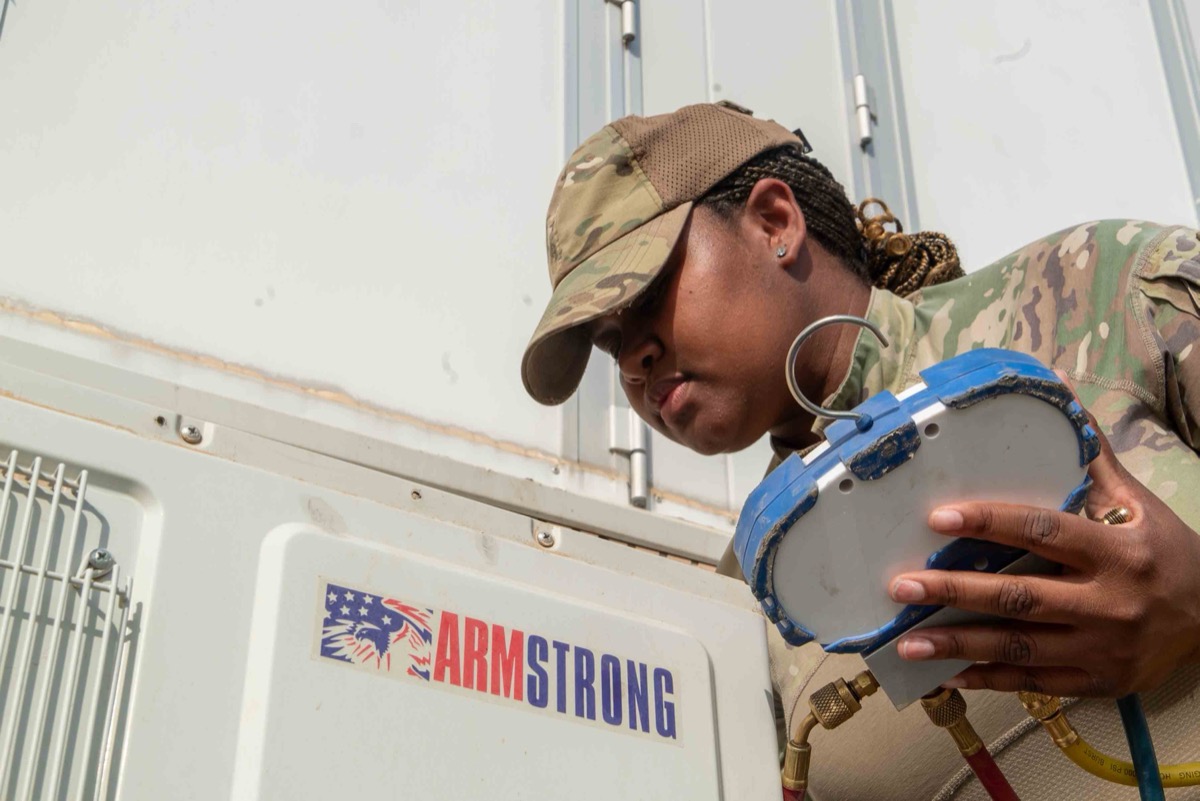
There are three realistic ways to become an HVAC technician: trade school, a registered apprenticeship, or starting as an HVAC helper at a contractor. All three end in the same place, an independent service tech, usually three to five years after you start. They differ in what you pay up front, whether you earn while you learn, and how quickly you get your first paid job.
This guide is the map: which path fits you, the order the credentials come in, what HVAC school actually costs, and how long each stage takes. If you have already decided on an apprenticeship, the HVAC apprenticeship guide covers pay steps, pay by state and entry requirements in detail.
The 3 Ways to Get Into HVAC, Compared
Costs and durations below are typical ranges. Tuition in particular varies widely by state and by whether a program is public or private, so treat these as a starting point for comparing quotes.
| Trade school / community college | Registered apprenticeship | HVAC helper, then apprenticeship | |
|---|---|---|---|
| Time to first paid HVAC job | After the program: 6–12 months (certificate) or ~2 years (associate degree) | Immediately: you are hired on day one | Weeks: helpers are hired year-round |
| Time to independent service tech | About 2–4 years from starting school | 3–5 years (the length of the program) | About 2–5 years, depending on the contractor and your hours record |
| Upfront cost | Typical tuition $1,200–$15,000+ for a certificate; more for a 2-year degree. Tools and books extra. | Little or no tuition; you may buy your own hand tools | No tuition; basic hand tools |
| Pay while learning | None while in school (many students work part-time) | Yes, a stepped percentage of journeyman scale from day one | Yes, a helper wage, rising once you move into an apprenticeship or tech role |
| Credentials earned | Certificate or associate degree; EPA 608 usually tested during the program | Journeyman completion certificate, EPA 608, hours documented for state licensing | EPA 608 early, then whatever the contractor or a later apprenticeship provides |
| Who it suits | People who want the theory first, or who can afford a few months without trade income | People who need to earn from the start and can get accepted at an intake | People who want to start now and find out whether they like the work before committing |
Trade school front-loads the theory: refrigeration cycle, electrical, controls, load calculation. You arrive at your first job already knowing what the gauges are telling you, which makes you easier to hire. What school cannot do is give you field hours, and no state licenses a technician on school alone.
A registered apprenticeship is the only route where the training is essentially free and the wage starts on day one. The catch is getting in: union and registered programs often run intakes once or twice a year and turn many applicants away.
The helper route is the largest and least visible way into HVAC. Contractors hire helpers year-round to carry equipment, run line sets and learn beside a tech. It is the fastest way to a paycheck and a good way to find out whether you like the work. The risk is that it is unstructured, so keep a written record of your hours, and aim to move into a formal apprenticeship or a tech role within a year or two.
Step by Step: The Order Things Happen In
- Finish high school or get a GED. Almost every program and employer asks for one. Math, physics and any shop classes help; so does a clean driving record.
- Choose your path. Use the table above. If money is tight, an apprenticeship or a helper job beats borrowing for school.
- Get EPA Section 608 certified. Under the Clean Air Act you must be certified to buy refrigerant or open a refrigerant circuit, in every state. There are four certifications: Type I (small appliances), Type II (high-pressure systems, which covers most residential and light commercial work), Type III (low-pressure systems such as chillers) and Universal (all three). Take Universal. It does not expire, and the free EPA 608 practice test is a good way to check you are ready. Other credentials are covered in the HVAC certification guide.
- Build hands-on hours. This is the bulk of the time. You move from carrying equipment to assisting on installs, then to maintenance and simple service calls, and finally to diagnosing on your own.
- Get a state license where one is required. This varies more than anything else on the list. Some states license individual technicians after a set number of documented hours and an exam, some license only the contracting business, and some leave it to cities or counties. See how to get an HVAC license and confirm with your state licensing board.
- Consider NATE certification (optional). NATE is voluntary. Some employers prefer it or pay more for it, and most techs take it after one to two years in the field.
- Specialize. Commercial refrigeration, controls, heat pumps and commercial service tend to pay more than entry-level residential install work.
How Long Does It Take to Become an HVAC Technician?
“Fastest realistic” assumes you start as a helper, pass EPA 608 early and work steady full-time hours. “Typical” assumes a certificate program first, then a job. Times are cumulative from the day you start.
| Stage | Fastest realistic | Typical |
|---|---|---|
| High school diploma or GED | Already done | Already done |
| Land a first HVAC job or start school | 1–3 months (helper hire) | 6–12 months (certificate program) |
| EPA Section 608 Universal | Month 1–3 | During school or year 1 |
| Running simple service calls with light supervision | About 12 months | 18–24 months |
| Independent service technician | About 2 years | 3–5 years |
| State license (where one exists at tech level) | When your state's hours are met | Often 2–5 years of documented experience |
| NATE certification (optional) | After ~1 year in the field | After ~2 years in the field |
Two things stretch the timeline. HVAC work is seasonal, so hours can thin out in spring and fall in some markets. And licensing clocks count documented hours, not calendar years, so an undocumented year as a helper may not count at all. Keep pay stubs and a signed hours log.
How Much Does HVAC School Cost?
HVAC trade school is the only path with a real upfront bill. Here is what to budget for, as typical ranges:
| Cost item | Typical range | Notes |
|---|---|---|
| Tuition, certificate program | $1,200–$15,000+ | Public community colleges sit toward the low end; private programs often at the top or above |
| Tuition, associate degree | Higher than a certificate | Two years of credit hours; check in-district rates |
| Starter tool kit | $500–$1,500 | Hand tools, meter, gauges; many employers supply the expensive equipment |
| EPA 608 exam | Roughly $20–$150 | Depends on the proctor and whether it is online or in person; certification does not expire |
| Books and materials | A few hundred dollars | Sometimes bundled into tuition |
| Apprenticeship tuition | Little or none | Classroom hours are usually covered by the sponsor |
Before you sign up for an HVAC trade school, ask three questions: does the program include EPA 608 testing, what share of graduates are working in HVAC six months later, and does completing it reduce the on-the-job hours your state or a local apprenticeship requires? A cheap community college program with local employer ties is often worth more than an expensive one without them.
What Actually Gets You Hired
Contractors expect to teach you the trade. What they cannot teach is the basics, and those decide most entry-level hires:
- A valid driver’s license and an insurable record. Techs drive company vans to jobs. If the insurer will not cover you, the contractor cannot hire you, however good you are.
- Reliability. Showing up on time every day, including the first hot week of summer when calls pile up.
- Mechanical aptitude. Comfort with tools, basic math, and a willingness to work in attics, crawl spaces and on rooftops.
- EPA 608 already in hand. An applicant who can legally be sent to a refrigerant call is more useful from day one.
The pay is worth the effort. BLS puts the median wage for HVAC mechanics and installers at $61,010 a year ($29.33/hr, May 2025) and projects about 8% job growth from 2024 to 2034. Trainees start well below that, and pay varies a lot by state. The HVAC technician salary guide breaks it down, and you can model your own numbers with the HVAC salary calculator or the apprentice wage calculator.
For HVAC Business Owners Who Hire and Train Techs
If you are on the other side of this, hiring helpers and bringing them up to tech, the constraint is usually steady work and clean paperwork: enough booked jobs to keep trainees accruing hours, and a record of who worked which job. That is the part HVAC contractor software handles. Many techs eventually want their own shop too; for them, the next step is how to start an HVAC business.
Training New Techs? Keep the Schedule Full
SubcontractorHub gives HVAC contractors quoting, financing, scheduling and project management in one platform, so there is always work for your trainees to learn on.
Book a DemoFrequently Asked Questions
How long does it take to become an HVAC technician?
Most people are working as independent service technicians three to five years after they start. The fastest realistic route, starting as a helper and getting EPA 608 Universal in the first few months, can get you running calls on your own in about two years. A trade school certificate takes six to twelve months but still has to be followed by field experience before you work unsupervised.
How much does HVAC school cost?
Typical tuition for an HVAC certificate program runs from about $1,200 to $15,000 or more. Public community colleges are usually at the low end and private programs at the high end. On top of tuition, budget roughly $500 to $1,500 for a starter tool kit, a few hundred dollars for books, and roughly $20 to $150 for the EPA 608 exam. A registered apprenticeship charges little or no tuition and pays you while you learn.
What are the requirements to become an HVAC technician?
To start, most employers and programs want you to be 18, hold a high school diploma or GED, have a valid driver's license with a clean enough record to be insured, and be able to lift heavy equipment and work in attics and crawl spaces. To handle refrigerant you need EPA Section 608 certification, which is federal. Whether you also need a state license depends on your state: some license individual technicians, some license only the contracting business, and a few have no statewide HVAC license at all.
Can you become an HVAC technician without going to school?
Yes. School is not legally required anywhere. Many technicians start as helpers at a contractor or go straight into a registered apprenticeship and learn on the job. What you cannot skip is EPA 608 certification if you will work with refrigerant, and in states that license technicians, the documented hours and exam the state requires.
Is NATE certification required?
No. NATE certification is voluntary. It is an industry credential that some employers prefer or reward with higher pay, and most technicians take it after one to two years in the field once they have the experience to pass the specialty exams. EPA 608 is the only certification that is federally required.
How much do HVAC technicians make?
The U.S. Bureau of Labor Statistics puts the median annual wage for heating, air conditioning and refrigeration mechanics and installers at $61,010 (May 2025). Pay varies a lot by state and specialty, and trainees start well below the median while they build experience.
Data Sources & Method
Wage figure: U.S. Bureau of Labor Statistics, Occupational Employment and Wage Statistics (OEWS), May 2025 release, SOC 49-9021 (HVAC Mechanics and Installers). Employment projection (8% growth, 2024–2034) from the BLS Occupational Outlook Handbook. EPA Section 608 requirements per the Clean Air Act. Tuition, tool, exam and timeline figures are typical ranges, not quotes; they vary by state, program and employer. Licensing rules are set by each state, and sometimes by city or county, so confirm with your licensing board.
Related Resources
SubcontractorHub
See How Top Contractors Close More Jobs
AI proposals, sales pipeline, and project management — all in one platform.
- ✓AI-powered proposals in the field
- ✓CRM built for contractor sales
- ✓Project tracking from sale to install
30 minutes. No commitment.