
How to Offer Solar Financing: Loan, Lease, and PACE
By SubcontractorHub Editorial Team·Published October 2026
Quick Answer
Offer solar financing at the point of sale by pairing with a third-party partner, not by carrying the loan yourself. Show a loan, a lease or PPA, and PACE where your county actually has it, as a monthly figure next to the cash price inside the proposal. The dealer fee is a cost of sale. Price it before you promise a margin. SubcontractorHub puts those options in EasyQuote. Book a demo to see a financed solar proposal, or compare plans on /plan.
A residential solar contract is a large purchase decided in a kitchen, often on the first visit. If the only number on the proposal is the cash price, a homeowner who wanted the system leaves to “think about it” and shops the payment somewhere else. Point-of-sale financing is how the dealer stays in that conversation. This guide is the solar version of the same workflow already written for HVAC financing and roofing financing.
It covers why the payment has to be in the proposal, how a loan differs from a lease and from PACE, and how to treat the dealer fee. It does not print rates or a tax-credit percentage. Those change by lender and by tax year.
Why Solar Dealers Need Point-of-Sale Financing
Solar is sold against a monthly electric bill. The homeowner is already comparing a new payment with an old one. A dealer who can only say “pay the contract in cash” is having a different conversation than the dealer who can say what the system costs per month after a real application. That second conversation is the one most buyers expect, because national installers advertise payments, not just watts.
- The decision happens on site. A proposal that has to be re-priced later in a lender portal loses the visit. The attach rate lives in the same screen as the system price.
- Products fit different buyers. A homeowner who wants to own the array is a loan or cash customer. A homeowner who wants a lower monthly figure and does not want the equipment on their balance sheet is a lease or PPA customer. PACE is a third path, and only where it exists.
- One partner is a coverage gap. A prime loan lender will decline customers another product would accept. Dealers who offer a single product lose the jobs that needed the other one.
The broader version of this, across trades, is how to offer customer financing as a contractor. Solar adds the lease and PACE choices that a furnace replacement usually does not.
Loan vs Lease vs PACE
These are different contracts. Mixing them up on a proposal is how a homeowner thinks they own a system they are only renting, or expects a tax credit the lease company will claim. Explain the product before you explain the payment.
Solar loan
The homeowner buys the system. A lender pays the dealer and the homeowner repays the lender. Ownership stays with the customer, which is the usual condition for incentives that require ownership. Use the lender's current program, not last quarter's rate card.
Lease or power-purchase agreement
A third party owns the system. A lease charges for the equipment. A PPA charges for the electricity it produces. Incentives that follow ownership generally stay with that owner, not the homeowner. The solar lease vs buy calculator is a planning comparison, not a lessor's quote.
PACE
Property Assessed Clean Energy is repaid as a property assessment where a state and a local government offer it. It is not in every county, the contractor usually has to be approved, and the assessment can stay with the house when it sells. If your market has no active program, leave the word off the proposal.
A longer product map lives on solar financing options.
In-House Financing vs a Partner
In-house financing means your company is the lender. You wait on the payments and you carry defaults. Most dealers should not add that receivable to a job that already waits on equipment and interconnection. A third-party partner runs the decision and pays you under a written agreement. You pay a dealer fee or accept a reduced amount, and you do not carry the homeowner's repayment risk. That is the model behind GoodLeap and FinanceIt on the home-improvement side of the platform.
SubcontractorHub
See How Top Contractors Close More Jobs
AI proposals, sales pipeline, and project management — all in one platform.
- ✓AI-powered proposals in the field
- ✓CRM built for contractor sales
- ✓Project tracking from sale to install
30 minutes. No commitment.
How to Set Up the Offer
- Pick partners by product, not by logo. You want a loan path and a lease or PPA path if your market uses both, plus PACE only if a program is actually open where you install. Sungage-class lenders are loan partners. LightReach-class companies are third-party ownership partners. GoodLeap is a widely used home-improvement and solar lender in the same category. None of those names is an exclusive requirement.
- Read the dealer agreement before the first proposal. Note when you get paid, what cancels the payment, and who handles the homeowner after funding. Installation, inspection, and permission to operate are different milestones. Your cash plan has to match the one in the contract.
- Price the dealer fee before the rep sits down. The fee is a percentage of the financed amount on most programs, and it moves when the term or the promotional offer changes. Build it into the job or show it as a line. A fee discovered after the homeowner signs is a margin leak. The same idea is covered for other trades in no dealer fee financing, which is about protecting margin, not about a promise that every program is free.
- Put every option in the proposal. Cash, loan, and lease should be visible together. A monthly figure that only appears after the customer flinches reads as a rescue. Lead with it.
- Train the sentence, then track it. Reps should be able to say who owns the system, what the customer pays, and that the monthly number is an estimate until approval. Then measure how many signed jobs used financing, by rep and by product. That is the coaching report.
Put the Monthly Payment in the Proposal
The proposal is the point of sale. EasyQuote is built to show the purchase price and a financed monthly payment in the same document, so the rep is not tabbing into a lender portal mid-sentence. SubcontractorHub's solar financing software page describes LightReach, Sungage, and Arcadia as partners that can be connected there. Treat that as a current integration list. It is not a ranking, and it is not a claim that a dealer must drop a partner the software does not connect.
Label the payment as an estimate until the partner returns a decision. A figure typed from a rate sheet that expired last month is worse than no figure. If the homeowner is comparing ownership with a lease, say which incentives follow ownership and point them at a tax advisor for the year the system will be placed in service. The solar tax credit calculator on this site is a planning tool. It is not tax advice, and this article does not update it.
Hand the signed job to scheduling from the same screen. The rest of that path is solar proposal software and the solar platform. A shortlist, if you are still choosing a stack, is best solar financing software.
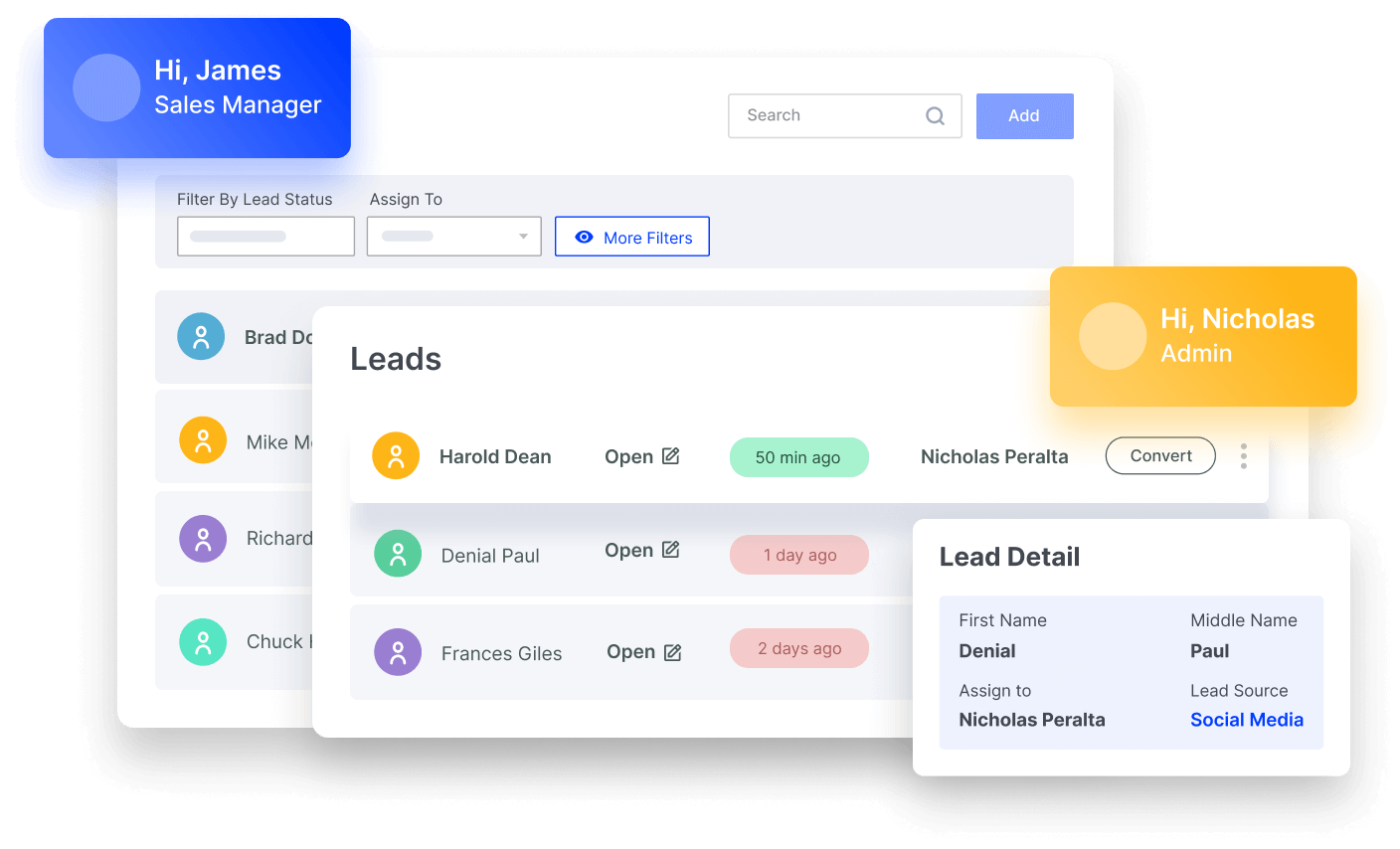
Cash price and a monthly option belong on one proposal. The monthly option stays an estimate until the partner approves it.
The Dealer Fee Is a Cost of Sale
A dealer fee is what you pay so the homeowner can see a particular payment. Longer terms and promotional offers cost more than a standard offer. The amount is the financed total times the fee on that day's rate card, so this guide does not print a percentage. Decide before the appointment whether the fee sits inside the contract price or beside it. If a rep can switch a customer into a richer promo without the price moving, the fee comes out of margin. After funding, match the amount received to the proposal, and keep the lender's milestone on the same record as the install.
Frequently Asked Questions
How do solar dealers offer financing to homeowners?
Most dealers use a third-party partner instead of lending the contract themselves. The partner makes the credit or lease decision and pays the dealer on that partner's milestone. The dealer shows a loan, a lease or PPA, and PACE where it exists, on the same proposal as the cash price.
What is the difference between a solar loan, a lease, and PACE?
A loan means the homeowner owns the system and repays a lender. A lease or power-purchase agreement means a third party owns the system. PACE, where a local program exists, is repaid as a property assessment and is not available in every county. Offer only the products your market actually has.
How do you show a monthly solar payment in the proposal?
Put the cash price and the monthly figure on the same proposal, and label the monthly figure as an estimate until the partner approves it. EasyQuote keeps both numbers in one document so the rep does not open a separate lender site mid-visit.
What does it cost a solar dealer to offer financing?
Third-party programs charge a dealer fee, usually a percentage of the amount financed. It changes with the term, the credit tier, and any promotional rate. Treat it as a cost of sale: build it into the price or show it as its own line. There is no single national fee.
Should a dealer use more than one solar financing partner?
Yes, when you can. A loan partner, a lease or PPA partner, and a local PACE program cover different customers. GoodLeap, Sungage, and LightReach are names in that category. SubcontractorHub lists LightReach, Sungage, and Arcadia inside EasyQuote. That list is not exclusive.
Does the homeowner still get a solar tax credit if they finance?
Ownership matters, not the word financing. A loan or cash purchase leaves the system with the homeowner. A lease or PPA generally leaves ownership incentives with the system owner. Confirm the credit for the year the system is placed in service with a tax advisor. Do not print a percentage from memory.
Related Reading
Show the Payment Before They Ask
Book a demo and walk a solar proposal that already has the monthly option on it. We will use your products, not a generic rate.
Book a DemoSolar, Contractor Financing, Sales