
How to Train Your Technicians to Sell in 2026 (Without Making Them Pushy)
Published August 2026 · 11 min read
Technician Sales Training Series — Part 1 of 3
- How to Train Your Technicians to Sell (you are here) — the mindset, the process, the rollout
- The 8-Week Technician Sales Training Program — the week-by-week curriculum, ride-alongs, and objection scripts
- Technician Commission Structures and Average Ticket — how to pay for it and measure it
Every home service owner eventually runs the same math. Your technicians are already inside the house. They already have the homeowner's trust. They already know the water heater is nine years old and the capacitor is drifting out of spec. And they leave without mentioning any of it, because nobody ever taught them how to have that conversation without feeling like a salesman.
This guide is about closing that gap for HVAC, plumbing, electrical, and roofing service teams — without turning good technicians into pushy ones, which is the failure mode that costs shops their reputation and their best people.
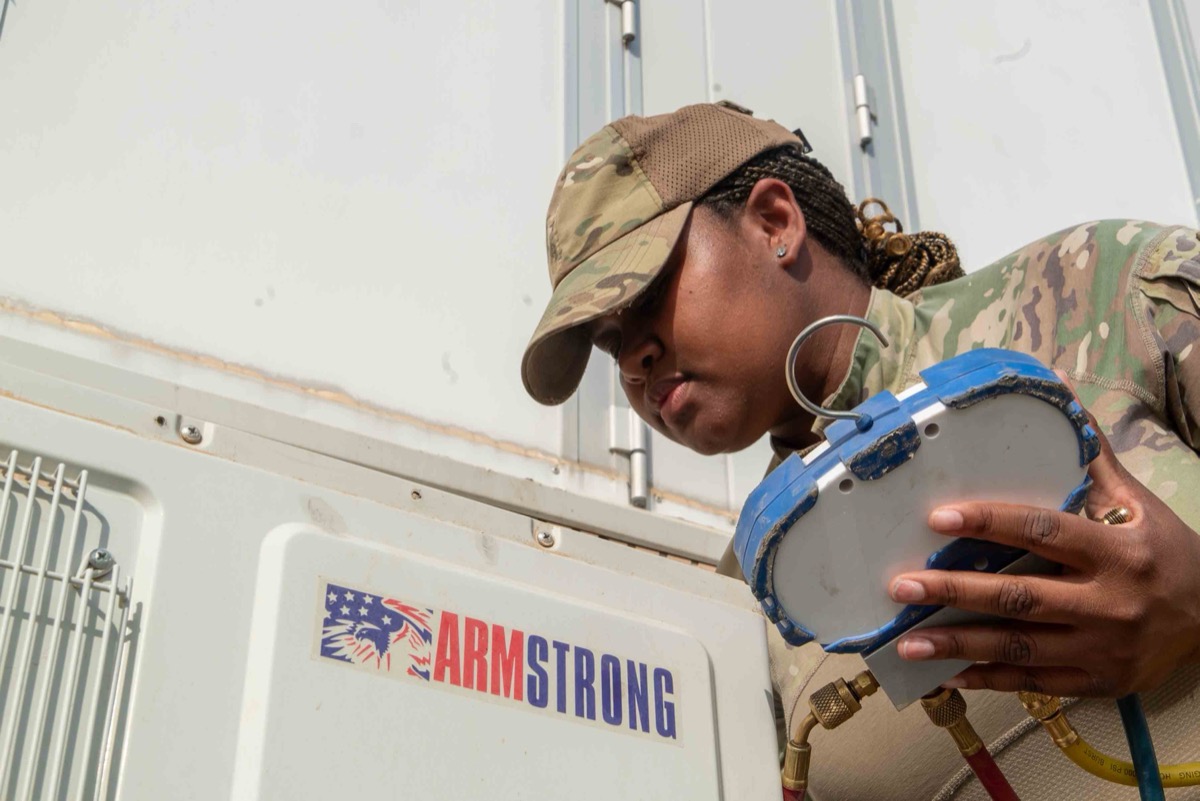
Technicians already have what salespeople spend years trying to earn: the homeowner's trust and physical access to the problem.
Why Technicians Resist Selling — and Why That Instinct Is Worth Keeping
Ask a service technician why they do not sell more and you will get some version of the same answer: "I'm not a salesman." Underneath it is a real conviction — they have watched somebody talk a homeowner into a system they did not need, and they refuse to be that person.
Do not train that instinct out of them. It is the reason customers trust technicians more than they trust anyone else who knocks on their door. Instead, reframe what selling means on a service call. A technician who finds a cracked heat exchanger, a corroded panel, or a water heater past its service life and says nothing has not protected the homeowner — they have withheld information the homeowner needed to make a decision. The job is diagnosis and disclosure. The homeowner decides.
The Five-Step Service Call Process
Train the process, not the pitch. Scripts collapse the moment a homeowner says something unexpected; a process survives it. Every trained technician should run the same five steps on every call, whether it is an HVAC no-cool, a slab leak, or a panel inspection:
- Inspect the whole system, not just the complaint. The call was booked for one symptom. The technician's job is to leave knowing the condition of the equipment, not just the failure.
- Document with photos and readings. A photo of the rusted-through drain pan does more than any sentence a technician can say. Capacitor microfarads, static pressure, amp draw, water pressure — numbers convert skepticism into fact.
- Educate before pricing. Explain what the reading means and what happens if it goes unaddressed — in plain language, before a dollar figure is spoken. Homeowners reject prices they do not understand the reason for.
- Present three options, not one number. Repair it, repair it properly with the related components, or replace it. Let the homeowner choose their own level of risk instead of accepting or rejecting a single verdict.
- Ask, then stop talking. "Which of these would you like me to take care of today?" Most technicians lose the sale by continuing to talk after the question, and negotiating against themselves.
Three Options Is the Single Highest-Leverage Change You Can Make
If you only change one thing, change this. A single price is a yes-or-no question, and a nervous homeowner defaults to no. Three priced options change the question from "should I spend money?" to "how much should I spend?"
The measured gap is large. Technicians trained to present three options commonly run an average ticket near $650 against roughly $320 for technicians presenting a single repair price. On a shop running 1,200 repair calls a year, that difference is in the range of $330,000 in annual revenue — from a change in how findings are presented, not in what is being sold. Our good, better, best proposal guide covers how to structure the three tiers so the middle one is the natural choice.
Give Technicians the Tools, Not Just the Talk
Sales training fails most often for a logistical reason rather than a motivational one. You cannot ask a technician to present three professional options from the top of a ladder with a clipboard and a pen. The tooling has to make the right behavior the easy behavior:
- Mobile option presentation — three tiers built and shown on a tablet in the driveway, with photos from the inspection attached
- Flat rate pricing — so the technician never does arithmetic in front of a customer or guesses at a number. See our HVAC flat rate pricing guide
- Financing shown as a monthly payment — a $9,400 system is a wall; $148 a month is a decision. Consumer financing through FinanceIt and GoodLeap belongs on the options screen, not in a follow-up call
- Maintenance agreements one tap away — membership is the easiest yes a technician gets all day, and the one most often forgotten
- Digital signature and payment on site — every hour between yes and signature is a chance for the homeowner to call someone else
This is the part Sales Velocity and HVAC contractor software handle: the technician builds the three options on site, the homeowner sees financing on each tier, and the approved option becomes the job. No re-entry, no "we'll email you a quote tomorrow" — which is where most home service revenue quietly dies.
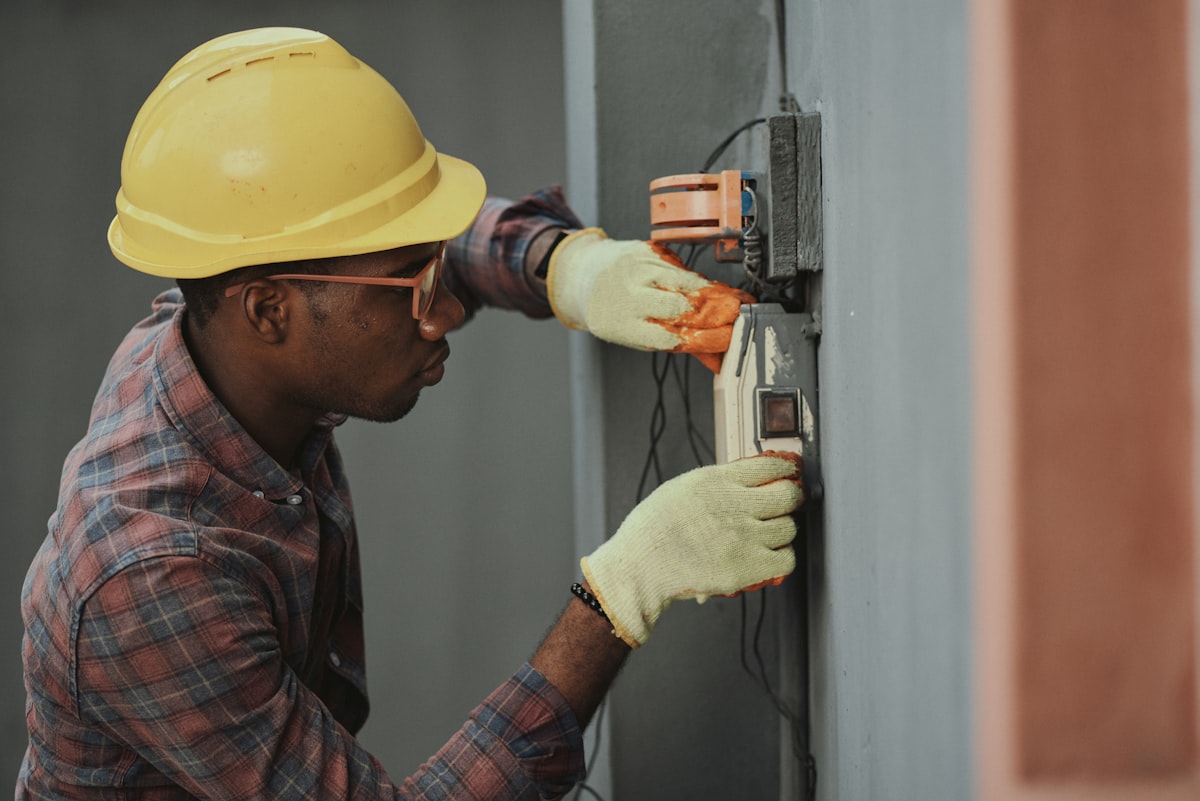
Photos and readings do the persuading. A homeowner who sees the rusted drain pan does not need to be sold on replacing it.
The 30/60/90 Day Rollout
Do not announce a sales program at a Monday meeting and expect behavior to change. Roll it out in stages and measure each one:
- Days 1–30 — baseline and process. Measure current average ticket, close rate, and membership attachment before you change anything. Teach the five-step call. Expect average ticket and close rate to start moving inside this window.
- Days 31–60 — ride-alongs and role-play. Practice moves from the classroom to the driveway. This is where the program either becomes real or quietly dies; it is covered in detail in part 2 of this series.
- Days 61–90 — pay and reinforce. Maintenance agreement attachment typically moves in this window as confidence builds. Align the pay plan with the behaviors you have trained, which is the subject of part 3.
Four Ways Technician Sales Training Goes Wrong
- Paying straight commission to the person doing the diagnosis. A technician who decides what is broken and is paid a percentage of what is sold is in a conflict of interest. You will get callbacks, refunds, and reviews you cannot undo.
- Training everyone at once. Start with two or three technicians who are already curious. Their numbers become the internal proof that convinces the skeptics — far better than a mandate.
- Measuring revenue only. Revenue can rise while callbacks and refunds rise faster. Track callback rate and membership attachment alongside average ticket.
- One seminar and no reinforcement. A day of training with no ride-alongs, no call review, and no coaching produces a two-week bump and nothing else.
Give Your Technicians Something to Sell With
Book a demo and see how technicians build three priced options with financing on a tablet, in the driveway, before they leave the call.
Book a Free DemoKeep Going: Parts 2 and 3
This post covered why technicians resist selling, the five-step call process, and the rollout. Next, the 8-week technician sales training program gives you the week-by-week curriculum, ride-along structure, and word-for-word objection responses. Then technician commission structures and average ticket covers spiffs, pay plans, and the four numbers that tell you whether any of it is working.
SubcontractorHub
See How Top Contractors Close More Jobs
AI proposals, sales pipeline, and project management — all in one platform.
- ✓AI-powered proposals in the field
- ✓CRM built for contractor sales
- ✓Project tracking from sale to install
30 minutes. No commitment.
Technician Sales Training FAQs
How do you train home service technicians to sell?
Train the process, not the pitch. Give technicians a repeatable five-step service call structure — inspect, document, educate, present options, and ask — then have them practice it in role-play and ride-alongs before they run it alone. The highest-leverage single change is presenting three priced options on every repair call instead of one number, which is what separates a $320 average ticket from a $650 one.
Why do HVAC and plumbing technicians resist selling?
Most technicians did not take a trade job to become salespeople, and many associate selling with pressuring homeowners into things they do not need. That instinct is correct and worth protecting. The fix is to reframe the job as diagnosis and disclosure: a technician who finds a failing capacitor and does not mention it has not protected the customer, they have withheld information. Selling is presenting findings and letting the homeowner choose.
How long does technician sales training take to show results?
Most home service shops see average ticket and close rate move within the first 30 to 60 days of consistent training. Maintenance agreement attachment rates typically take 60 to 90 days because technicians need repetitions before the membership conversation feels natural. Anything promising results in a week is selling you a seminar, not a program.
Should technicians be paid commission to sell?
For service and install technicians, hourly pay plus flat spiffs on specific high-value items works better than straight commission. Straight commission on a technician who controls the diagnosis creates pressure to find problems, which produces callbacks, refunds, and reputation damage. Pay for the behaviors you want — options presented, memberships sold, financing offered — not purely for revenue.
What is a good average ticket for a home service technician?
It varies by trade and job mix, but a useful benchmark is the gap rather than the number: untrained technicians presenting a single repair price commonly run around $320 per service call, while technicians trained to present three options run closer to $650. Track your own baseline for 60 days before training, then measure against it — an industry average from another market with a different job mix is not your benchmark.