
The 8-Week Technician Sales Training Program for Home Service Teams
Published August 2026 · 12 min read
Technician Sales Training Series — Part 2 of 3
- How to Train Your Technicians to Sell — the mindset, the process, the rollout
- The 8-Week Technician Sales Training Program (you are here) — the curriculum, ride-alongs, and objection scripts
- Technician Commission Structures and Average Ticket — how to pay for it and measure it
Part 1 covered the five-step service call process and why technicians resist selling. This is the part most home service shops skip: the actual schedule that turns a process on a whiteboard into a habit in the field.
Eight weeks is realistic for an HVAC, plumbing, or electrical service technician to go from resistant to consistent. Compress it into a one-day seminar and you will get a two-week bump followed by a return to baseline — which is what most contractors have already experienced and why crews are cynical about sales training.
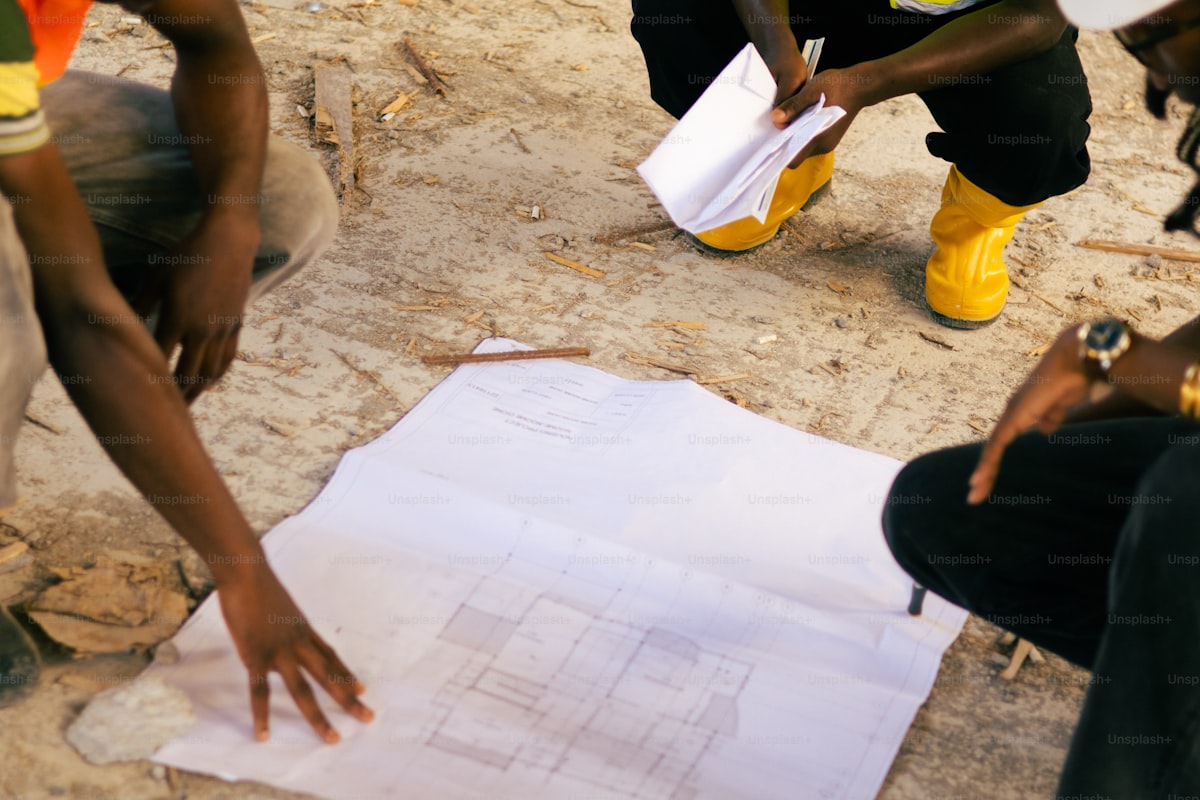
Sales skill is behavioral. It moves through repetition and coaching, not through a slide deck.
Before Week 1: Pick the Right Three Technicians
Do not train the whole crew at once. Pick two or three technicians who are already curious — not your most senior people, who have the most invested in the current way of working, and not your weakest performers, whose results will be dismissed. Volunteers produce the internal proof that moves a skeptical shop. Once you can point at your own technician's average ticket instead of an industry statistic, the rest of the team stops arguing.
Weeks 1–2: The Process and the Numbers
Classroom time, roughly two hours a week. The goal is that every technician can recite the five-step call from memory and explain why each step exists.
- Week 1 — the call structure. Inspect the whole system, document with photos and readings, educate before pricing, present three options, ask and stop talking. Walk through the reasoning behind each step, not just the sequence.
- Week 1 — the equipment story. Technicians need to explain a static pressure reading, a capacitor microfarad rating, a water heater's service life, or a panel's amp capacity in language a homeowner understands. Have each technician explain one reading to a non-technical person until it lands.
- Week 2 — the price book. Nobody presents options confidently while doing arithmetic. Technicians must know the flat rate book cold. See the HVAC flat rate pricing guide for structuring it.
- Week 2 — financing as a monthly number. Every technician should be able to convert any option into a monthly payment without hesitating. This single skill does more for close rate on large tickets than any closing technique.
Weeks 3–5: Role-Play, Then Supervised Ride-Alongs
This is the phase that determines whether the program works. Technicians practice on each other before they practice on customers.
- Week 3 — role-play the full call. One technician plays the homeowner, one runs the call, a third scores it. Rotate. It will feel ridiculous for the first twenty minutes and then it will start working. Do this in the shop, not on a customer.
- Week 4 — role-play objections only. Drill the four responses below until they are automatic. A technician who has to think about the response has already lost the moment.
- Week 5 — supervised ride-alongs. A manager rides on three to five real calls per technician, observes, and coaches afterward. Do not skip to this step before role-play; making a technician learn on live customers is expensive and demoralizing.
How to Run a Ride-Along Without Wrecking the Call
Most managers ruin ride-alongs by participating. The rules are narrow and worth following exactly:
- Say nothing during the call. Stepping in undermines the technician in front of the homeowner and teaches them that you will rescue them.
- Score the five steps as they happen on a one-page sheet — did they inspect beyond the complaint, photograph findings, educate before pricing, present three options, ask and then stop talking.
- Debrief in the truck within ten minutes, while the call is fresh. A debrief at the end of the day is a conversation about a memory.
- Open with what they did well, specifically. "You showed her the photo before you said a number" beats "good job."
- Pick exactly one thing to change on the next call. Listing six corrections produces zero changes.
The Four Objections — and What to Actually Say
Almost every objection on a home service call is one of four, and none of them are really about price. Teach the pattern: acknowledge, isolate the real concern, re-present the option that fits.
"That's more than I expected."
The concern is usually budget, not value. Response: "I understand — it's a real number. Can I ask which part of it concerns you, the total or what it would be per month? Because the second option comes to about $92 a month, and it covers the same repair." This converts a wall into a decision.
"I need to think about it."
Almost always an unspoken question the homeowner is embarrassed to ask. Response: "Of course. So I leave you with everything you need — is there anything about the three options that isn't clear?" Then be quiet. Most of the time the real objection surfaces here, and it is answerable.
"I want to get another quote."
Reasonable, and fighting it destroys trust. Response: "That's smart, and I'd do the same. Let me leave you the photos and readings so you can compare fairly — make sure whoever you call is quoting the same scope, because the cheap version of this repair usually skips the components I showed you." You lose some of these and win the ones where the competitor quotes a different scope.
"I need to talk to my spouse."
An authority objection, and usually genuine. Response: "Absolutely. Would it help if I stayed on for two minutes and walked them through the photos, so you're not the one explaining a heat exchanger?" If they decline, send the three options digitally before leaving the driveway so the conversation happens with your document, not from memory.
Notice that all four responses depend on the technician having photos, readings, and three priced options on a screen. Without them, every one of these becomes an argument. This is why the tooling in Sales Velocity and HVAC contractor software matters more than the script — and why financing through FinanceIt belongs on the options screen rather than in a follow-up call.

Objection handling is far easier when the homeowner is looking at photos, readings, and three options instead of hearing a number.
Weeks 6–8: Independent Calls and Weekly Call Review
Technicians run calls on their own. The coaching continues, but it moves to a weekly rhythm:
- One coaching conversation per technician per week, fifteen minutes, built around their own numbers rather than general advice.
- Review one lost call and one won call. Wins teach more than losses and get discussed less.
- Track options presented, not just revenue. If a technician presented three options on 90% of calls and average ticket has not moved, the problem is the presentation. If they only presented options on 40% of calls, the problem is the habit.
- Add the maintenance agreement conversation last, around week 7. Attaching membership is the easiest yes a technician gets, but it competes for attention with the repair conversation until the repair conversation is automatic. See how to sell HVAC maintenance agreements.
What to Expect, and When
Average ticket and close rate typically start moving inside the first 30 to 60 days — these respond to the option presentation, which is a mechanical change. Maintenance agreement attachment lags, usually landing in the 60 to 90 day window, because the membership conversation requires confidence that only comes from repetitions. If nothing has moved by day 60, the failure is almost always that ride-alongs stopped happening after week 5.
Make the Trained Behavior the Easy Behavior
Book a demo and see how technicians build three priced options with photos and financing on site — so the process you trained is the process the software runs.
Book a Free DemoNext: Paying for It
A trained technician who is paid exactly the same as an untrained one will drift back to the old way within a quarter. Part 3, technician commission structures and average ticket, covers spiff ranges, sample pay plans for HVAC, plumbing, and electrical techs, and the four numbers that tell you whether the program is working. If you landed here first, start with part 1 on the service call process.
SubcontractorHub
See How Top Contractors Close More Jobs
AI proposals, sales pipeline, and project management — all in one platform.
- ✓AI-powered proposals in the field
- ✓CRM built for contractor sales
- ✓Project tracking from sale to install
30 minutes. No commitment.
Technician Sales Training Program FAQs
What should a technician sales training program include?
A working program has four components: classroom instruction on the service call process, role-play where technicians practice on each other rather than on customers, ride-alongs where a manager observes real calls and coaches afterward, and recorded call review. Training that is only classroom instruction produces a two-week bump and no lasting change, because the skill is behavioral and behavior needs repetition under real conditions.
How do you run a technician ride-along?
The manager observes and says nothing during the call — interrupting undermines the technician in front of the homeowner and teaches nothing. Score the five steps on a simple sheet as they happen, then debrief in the truck within ten minutes while the call is fresh. Lead the debrief with what the technician did well, pick exactly one thing to change on the next call, and do not list every mistake.
How do you train technicians to handle price objections?
Teach technicians that most price objections are not about price — they are about uncertainty, timing, or authority. The response is to acknowledge, isolate the real concern, and re-present the option that fits, usually with a monthly payment figure. Practice the four common objections in role-play until the response is automatic: it is too expensive, I need to think about it, I want another quote, and I need to talk to my spouse.
Which technicians should you train first?
Start with two or three technicians who are already curious about it, not your most senior people and not your weakest performers. Early volunteers generate the internal proof that convinces skeptics, and their numbers do more to move a resistant crew than any mandate from the owner. Roll out to the rest of the team once you have real results from your own shop to point at.
How long should technician sales training take?
Eight weeks is a realistic timeline for a service technician to move from resistant to consistent. The first two weeks are process instruction, weeks three through five are role-play and supervised ride-alongs, and weeks six through eight are independent calls with weekly coaching. Expect average ticket and close rate to move in the first 30 to 60 days and maintenance agreement attachment to follow in the 60 to 90 day window.