
How to Get Commercial Roofing Leads in 2026: 8 Channels That Fill the Pipeline
By SubcontractorHub Editorial Team·Published July 2026
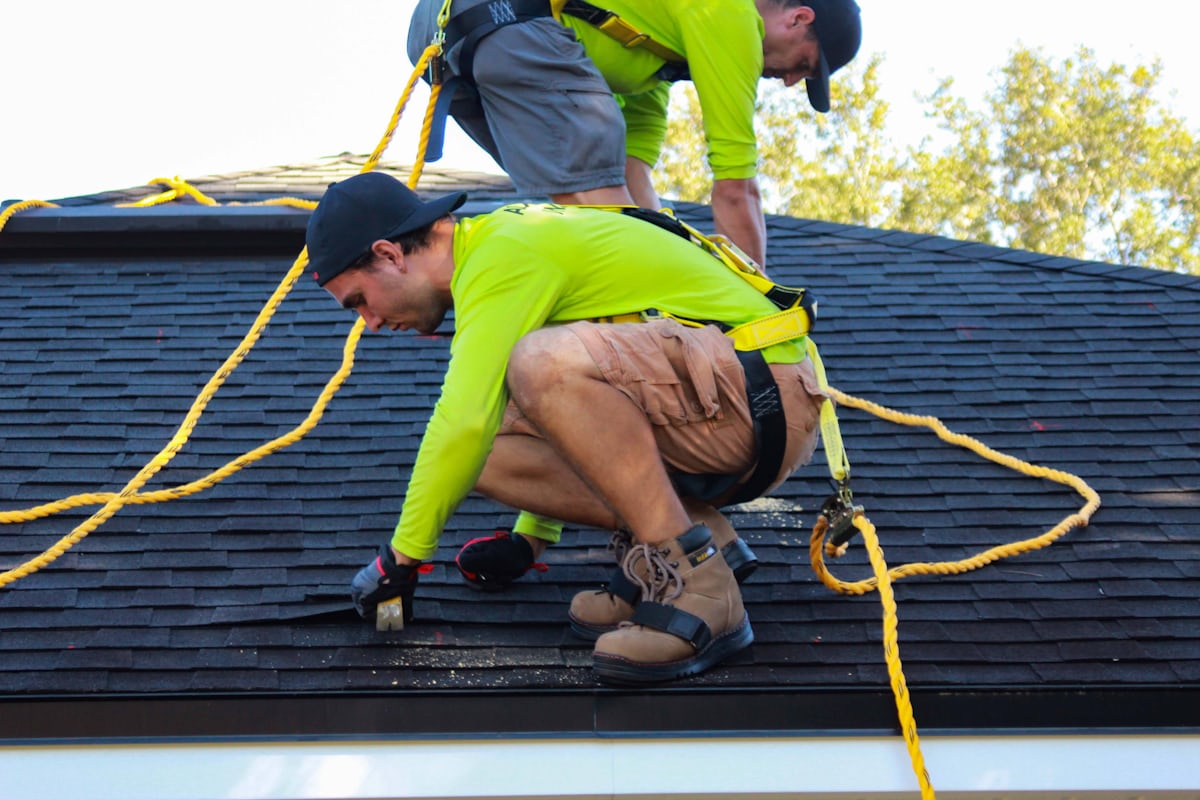
Commercial roofing contracts are won months before the crew ever reaches the deck — in budget meetings, bid lists, and inspection reports.
Bottom line up front: Almost every tactic that wins residential roofing leads fails in commercial. There is no storm to canvass, no homeowner to close at the kitchen table, and no same-week decision. Commercial roofs are replaced on a capital budget calendar, which means the contractor who is already known, already documented, and already in the file when that budget opens wins the job. Your pipeline is built from relationships and records — and the discipline to keep an opportunity warm for a year or more.
Commercial roofing is a different business than residential, and the lead generation playbook has to change with it. A single commercial re-roof can run from $30,000 on a small retail pad to more than $500,000 on a distribution center, and each won account tends to carry years of follow-on repair and maintenance work behind it. That economics is why the sales motion looks less like door knocking and more like enterprise selling.
Below are the eight channels that reliably produce commercial roofing leads, ordered roughly by how quickly a contractor with an existing crew can turn them on — followed by the operational piece most roofing companies underinvest in: not losing the six-figure bids they already have in flight.
1. Build a Property Manager and Facility Director Bench
This is the single highest-value channel in commercial roofing, and it compounds. Property management firms and facility directors control portfolios — one relationship can mean access to a dozen buildings, each with its own roof and its own replacement horizon. They are also repeat buyers in a way homeowners never are.
The way in is almost never a re-roof. It is a leak call. Respond fast to a small emergency repair, document it cleanly with photos and a written condition report, and invoice it without drama — and you become the contractor they call next time. Build the bench deliberately: identify the property management firms operating in your market, find who actually owns roofing decisions, and get on their approved vendor list before you need the work.
2. Get on General Contractor Bid Lists
New construction and major tenant improvement work flows through general contractors, and the roofing scope is bid out to a short list of subs the GC already trusts. Getting on those lists is a straightforward, unglamorous business development exercise: identify the GCs doing commercial work in your area, get prequalified, and then bid consistently.
The mistake most roofing companies make is bidding sporadically. GCs build their short list from contractors who respond every time, return complete bids on schedule, and do not disappear after losing two in a row. Losing bids while staying visible is how you eventually get the call on the job where the low bidder fell through.
3. Mine Permit, Property, and Roof Age Records
Commercial roofs have predictable service lives. A built-up or modified bitumen roof installed in the mid-2000s is now at or past the end of its expected life, and the owner knows it. Public permit records, county property data, and commercial property databases let you build a target list of buildings whose roofs are aging into replacement range.
This turns cold outreach into informed outreach. Approaching an owner with “your roof was permitted in 2006 and that system typically runs 20 years” is a materially different conversation than a generic solicitation. It also lets you time your outreach to the budget cycle rather than to the failure.
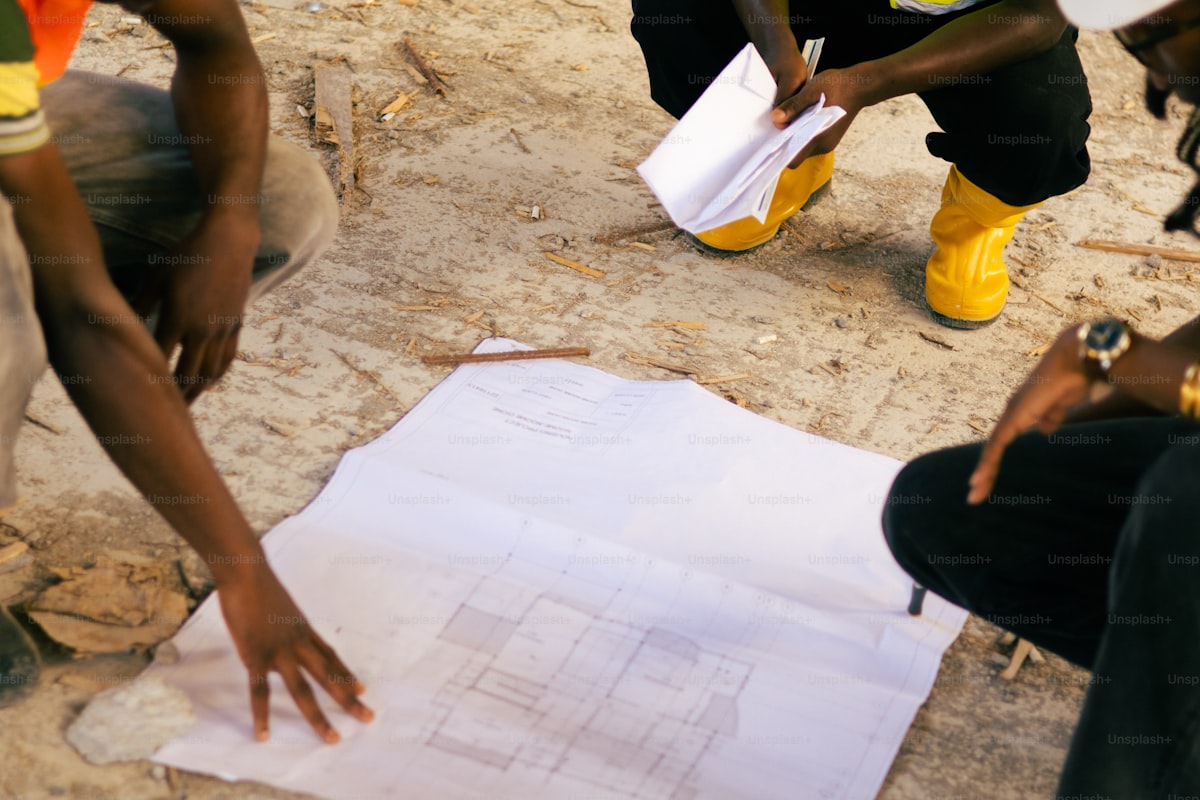
Commercial bids are won on documentation. Condition reports, references, and clean bid packages carry more weight than price alone.
4. Work Your Manufacturer Certifications and Networks
Membrane manufacturers maintain networks of certified contractors and route leads to them. Certification is also a hard requirement on much of the work worth having: no-dollar-limit warranties on large commercial systems generally require an approved installer, which means uncertified contractors are filtered out before the bid is even opened. Keeping certifications current across the major systems you install widens the set of projects you are eligible to bid and puts you in the manufacturer's referral path at no acquisition cost.
5. Run a Roof Asset Management Program
This is the most underused lead engine in commercial roofing. Offer building owners a paid or complimentary annual roof inspection program: you survey each roof, document conditions with photographs, log core samples and problem areas, and deliver a written report with a remaining-life estimate and a repair versus replace recommendation.
The program does three things at once. It generates immediate repair revenue, it puts you physically on the roof of every building in your territory once a year, and it means that when the replacement budget is finally approved you are the contractor holding the multi-year condition history. Competitors bidding that job are guessing; you have the file. Consistent inspection documentation is the closest thing commercial roofing has to a moat.
6. Target Commercial Search Terms Specifically
Facility managers do search, and commercial roofing search terms are far less contested than residential ones — but only if you actually target them. Most roofing websites are written entirely for homeowners, which means “commercial roof replacement,” “TPO roof installation,” “flat roof repair,” and “industrial roofing contractor” queries in your metro often surface weak, generic results.
Build dedicated commercial pages by system type and building category rather than burying commercial in a single tab. Paid search works here too, and the economics justify it: commercial roofing clicks are expensive precisely because the contract values behind them are large. Our roofing SEO guide covers the on-page structure, and the roofing marketing guide covers how to split budget between organic and paid.
7. Pursue Public Bids and Institutional Work
School districts, municipalities, hospitals, and universities replace roofs continuously and publish their solicitations openly. The work is competitive and the paperwork is real — bonding, prevailing wage, and insurance requirements screen out smaller contractors — but the bid opportunities are published rather than hidden behind relationships, which makes this the most accessible channel for a contractor trying to break into commercial. Institutional owners also tend to stay with contractors who perform, turning one won bid into a standing relationship across a campus or district.
8. Partner Rather Than Compete With Residential Roofers
Residential roofing companies regularly field commercial inquiries they are not equipped or certified to handle — a strip mall, an apartment complex, a light industrial building. Most simply decline them. A standing referral arrangement with two or three residential contractors in your market converts work they cannot take into qualified commercial leads for you, usually at a modest referral fee and with no advertising spend at all. The same logic runs in reverse for the residential inquiries that reach you.
The Real Problem: Long Cycles Kill Commercial Pipelines
Most commercial roofing contractors do not have a lead generation problem so much as a pipeline retention problem. A residential lead is won or lost in a week. A commercial opportunity identified in March may not have budget until the following January, and in between it has to survive staff turnover at the property management firm, a change in the facility director, and two competing bids.
Opportunities at that duration do not survive in a spreadsheet or an estimator's memory. They need a system that holds the inspection history, the photos, the prior repair invoices, the decision maker's name, and the budget timing in one record — and that surfaces the account again when the cycle comes back around. This is precisely where roofing contractors running SubcontractorHub separate from competitors still working off email threads.
The same platform that tracks the pipeline also runs the job once it is won. Bid documents, crew scheduling, change orders, and progress billing on a commercial project involve far more moving parts than a two-day residential tear-off, and losing margin in execution erases the value of winning the bid. Our guide to roofing project management covers how the job phases connect, and SubcontractorHub for commercial roofing covers the platform side.
Commercial vs. Residential Lead Generation at a Glance
| Factor | Residential | Commercial |
|---|---|---|
| Decision maker | Homeowner | Property manager, facility director, owner committee |
| Sales cycle | Days to weeks | 3–18 months, tied to capital budget |
| Typical contract | $8,000–$30,000 | $30,000–$500,000+ |
| Primary trigger | Storm damage, visible failure | Budget cycle, roof age, recurring leaks |
| Best lead channels | Canvassing, GBP, LSAs, referrals | Property managers, GC bid lists, asset management, public bids |
| What wins the job | Speed and trust at the door | Documentation, certifications, references |
| Repeat revenue | Low | High — ongoing repair and maintenance |
Frequently Asked Questions
How do you get commercial roofing leads?
Through relationships and records rather than canvassing: property managers and facility directors, general contractor bid lists, building owners identified from permit and property-age records, manufacturer certification networks, and public institutional bids. Most commercial roofs are replaced on a planned capital budget, so the objective is to be the known, documented contractor before the roof fails.
How much is a commercial roofing lead worth?
Commercial projects commonly run from $30,000 for a small repair or coating job to well over $500,000 for a full tear-off on a large facility. Because contract values are an order of magnitude above residential, a qualified commercial lead is worth far more — which is why paid search costs for commercial roofing terms often exceed $10 per click. A won account also tends to carry years of recurring repair revenue.
What is the difference between commercial and residential roofing leads?
Residential leads are homeowners making an urgent, single-decision purchase, often after storm damage, closing in days. Commercial leads are property managers and facility directors making a budgeted capital decision through a committee, closing in months through a formal bid process. Commercial rewards documentation, certification, and patient follow-up rather than speed to the door.
Should commercial roofing contractors buy leads?
Generally no. Shared lead aggregators are built around residential volume and rarely produce qualified commercial opportunities. That budget goes further maintaining property manager relationships, keeping manufacturer certifications current, bidding consistently with local general contractors, and running a roof asset management program.
How long is the commercial roofing sales cycle?
Most commercial projects take three to eighteen months from first contact to signed contract because they follow the owner's capital budget calendar. Repairs and emergency leak calls close in days and are the most common entry point into an account. Practically, you need a CRM that can hold an opportunity open across multiple budget cycles without it going cold.
Related Guides
- How to Get Roofing Leads in 2026: 9 Channels That Actually Work
- How to Get Roofing Leads From Insurance Companies in 2026
- Roofing Project Management: The Complete Guide
- How to Grow a Roofing Business in 2026: 7 Strategies
- The Roofing Sales Process That Closes More Jobs
- How to Price Roofing Jobs Profitably
- → SubcontractorHub for Roofing Contractors
- → Commercial Roofing Software
- → Roofing Lead Management Software
- Embedded Contractor Financing
Keep Every Commercial Bid Alive
30-minute demo. See how SubcontractorHub tracks inspection history, holds long-cycle commercial opportunities across budget years, and runs the job once you win it.
Book a DemoCommercial Roofing, Roofing Leads, Lead Generation
SubcontractorHub
See How Top Contractors Close More Jobs
AI proposals, sales pipeline, and project management — all in one platform.
- ✓AI-powered proposals in the field
- ✓CRM built for contractor sales
- ✓Project tracking from sale to install
30 minutes. No commitment.