
How to Get Roofing Leads From Insurance Companies in 2026
By SubcontractorHub Editorial Team·Published August 2026
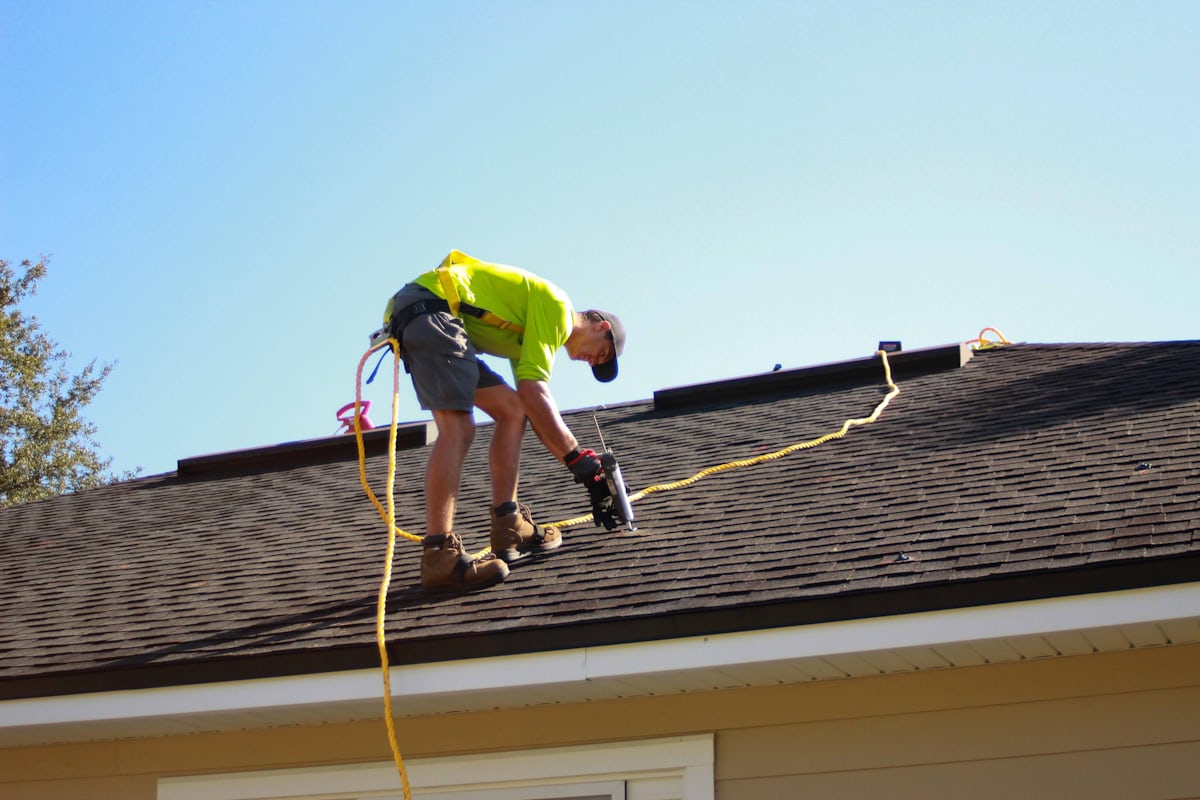
Roofing leads from insurance companies come through adjusters and agents, not from the carrier itself — the referral follows the contractor who makes claims easy to settle.
Bottom line up front: Insurance carriers do not sell leads to roofing contractors, and any service claiming to sell you “insurance company leads” is selling shared storm data instead. Real referrals come from the people who work around the claim — adjusters, local agents, public adjusters, and restoration firms — plus the carrier-run preferred contractor programs you have to formally apply to. All of it is earned the same way: accurate scopes, complete documentation, and never putting an adjuster in a position they cannot defend.
Insurance restoration is one of the most reliable sources of roofing work in the country, and it is also the one most contractors approach backwards. They go looking for a way to buy access to carriers, when the actual mechanism is a professional referral network that takes a season or two to build and can be lost in a single bad claim.
This guide covers the seven channels that genuinely produce insurance roofing leads, how carrier preferred contractor programs work and whether they are worth joining, and the compliance rules — deductibles, licensing, contract language — that quietly end roofing careers every year.
First: Insurance Companies Do Not Sell Roofing Leads
This misconception drives a lot of wasted money. Carriers have no lead product to sell contractors, and it would run against their interest to have one — their objective on any claim is an accurate, defensible settlement, not a bigger job for the roofer.
When a vendor advertises “insurance roofing leads,” what they are almost always selling is storm-path data, hail-swath maps, or shared homeowner inquiries resold to four or five contractors at once. That can be a legitimate marketing input, but it is not a carrier relationship, and it converts like any other shared lead. The channels below are different because they are referral relationships with named people who send you work repeatedly.
1. Build Relationships With Independent Adjusters
Independent adjusters are contracted by carriers to handle claim volume during catastrophe season, and they inspect hundreds of roofs. They cannot steer a homeowner to a specific contractor as a matter of policy, but homeowners ask them constantly who they would trust, and adjusters answer that question based on which contractors have made their job easier.
What earns that answer is unglamorous: showing up on time to the inspection, presenting a scope that matches the actual damage rather than an aspirational one, using the same estimating platform and line-item language the adjuster uses, and documenting with photographs that support every item you are claiming. Contractors who fight every scope and demand unsupportable supplements get remembered too — just not in a useful way.
2. Get Known By Local Insurance Agents
This is the most underrated channel in insurance restoration. When a homeowner discovers storm damage, the first call is usually not to a roofer — it is to the local agent whose name is on the policy. That agent fields the “what do I do now?” conversation and is regularly asked for a contractor recommendation.
Agents are also far more accessible than adjusters. They run independent offices in your market, they benefit when a claim goes smoothly and the policyholder stays happy, and they are rarely being courted by roofing companies. Introduce yourself outside of storm season, explain how you handle claims, and make it clear you will not put their client in an adversarial position with the carrier. One agent office can generate steady referrals for years.
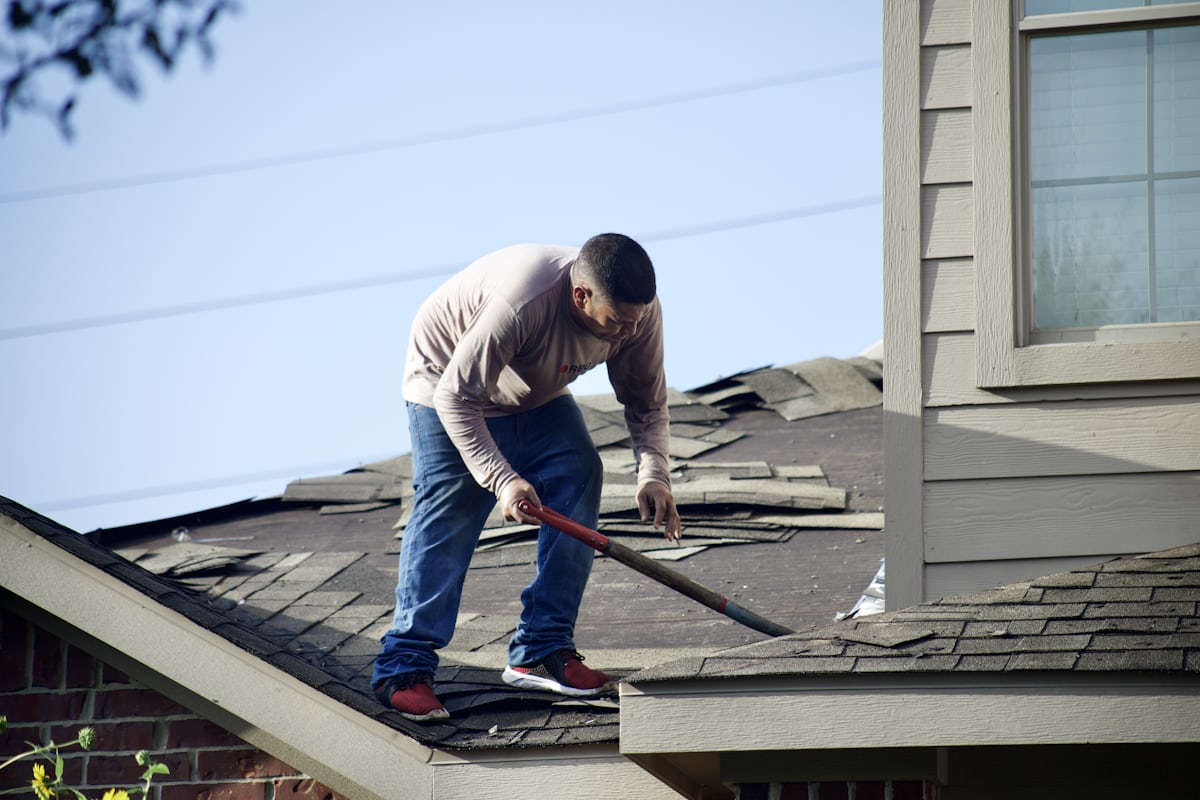
Photo documentation is the currency of insurance roofing leads — adjusters refer the contractors whose scopes they can approve without a second inspection.
3. Apply to Carrier Preferred Contractor Programs
Most major carriers operate a managed repair network — a vetted panel of contractors the carrier recommends to policyholders. This is the closest thing to a direct pipeline from an insurance company, and it is a formal application rather than a relationship.
Expect to provide proof of general liability and workers' compensation coverage at higher-than-typical limits, state licensing, financial and trade references, your complaint and claims history, manufacturer certifications, and evidence that you can hit the program's cycle-time and warranty standards. Programs generally require you to work within the carrier's pricing structure as well.
The honest tradeoff: network volume is steady and the leads are pre-qualified, but margins are compressed, the administrative overhead is heavy, and you are exposed if the carrier changes program terms. Most contractors treat network work as a base load rather than the whole business.
4. Partner With Restoration and Mitigation Companies
Water mitigation and fire restoration firms are inside damaged properties within hours of a loss, long before a roofer is called. They are working the same claim, they already have the homeowner's trust, and roofing is usually outside their scope. A reciprocal referral arrangement with two or three mitigation companies in your market is one of the fastest ways to start seeing claim work — and it runs both directions, since you will find interior water damage on roofs you inspect.
5. Work With Licensed Public Adjusters
Public adjusters represent the policyholder rather than the carrier, and they are hired specifically on larger or disputed claims. They need contractors who can produce a credible, well-documented repair scope to support the claim they are negotiating. Because public adjusters are compensated as a percentage of the settlement, their incentives align with thorough documentation — which is also what protects you. Verify that anyone you work with holds a current public adjuster license in your state; unlicensed “claim consultants” are a recurring source of legal trouble for the contractors around them.
6. Become the Local Authority on Claims
Homeowners with fresh storm damage search for process help before they search for a contractor: whether to file at all, what their deductible means, what happens if the adjuster denies part of the scope. Content answering those questions captures people at the exact moment the claim starts, and it converts far better than generic “roof replacement” pages because the intent is specific and time-sensitive.
Our guide to the roofing insurance claim process walks through what homeowners face step by step, and the roof insurance claim calculator gives them a concrete estimate of what a claim is likely to cover. Publishing the same material for your own market — local carriers, local storm history, state deductible rules — is how a roofing company gets found by claimants directly. The roofing SEO guide covers how to structure those pages.
7. Convert the Claims You Are Already Touching
Every roof you inspect after a storm is a potential claim, and most contractors leave the majority of them unworked. Homeowners routinely decline to file because they assume damage is cosmetic, they fear a premium increase, or they cannot cover the deductible. A free, documented damage assessment resolves the first, an honest explanation of claim-versus-retail resolves the second, and contractor financing resolves the third by letting the homeowner spread the deductible and any non-covered upgrades — which is lawful, unlike absorbing the deductible yourself.
The Compliance Rules That End Roofing Careers
Insurance restoration is more heavily regulated than retail roofing, and the violations below are common enough that most states have written statutes specifically about roofers. Getting these wrong does not just cost a job — it costs the license and every adjuster relationship at once.
- Never waive, rebate, or absorb the deductible. A majority of states prohibit it outright for roofing work, and inflating a scope to cover it is insurance fraud. Several states require explicit deductible language in the contract.
- Never pay for referrals from adjusters or agents. Compensating a licensed insurance professional for steering claims is a kickback and is illegal everywhere.
- Do not negotiate the claim unless you are licensed to. Many states treat a contractor negotiating settlement terms on the homeowner's behalf as unlicensed public adjusting. Document and submit; let the homeowner or their public adjuster negotiate.
- Honor the right to rescind. Storm-damage contracts signed at the door usually carry a statutory cancellation window, and many states require a contingency clause allowing cancellation if the claim is denied.
- Supplement accurately. Supplements for genuinely discovered conditions are normal and expected. Routine padding is what gets a contractor flagged across a carrier's entire adjuster pool.
Rules vary meaningfully by state and change often — confirm the current requirements with your state licensing board or an attorney before building a process around any of this.
Insurance Restoration vs. Retail Roofing Leads
| Factor | Insurance Restoration | Retail Replacement |
|---|---|---|
| Who funds the job | Carrier, minus deductible | Homeowner, cash or financing |
| Lead source | Adjusters, agents, restoration partners, carrier networks | Search, referrals, canvassing, LSAs |
| Close rate | Higher — loss is already funded | Lower — price is the main objection |
| Payment timing | Staged: ACV, then depreciation on completion | Deposit and completion, or financed upfront |
| Admin overhead | High — scopes, supplements, photo packets | Low |
| Seasonality | Concentrated in storm seasons | Steadier year-round |
| Regulatory exposure | High — deductible, licensing, contract statutes | Standard contractor rules |
Why Most Roofers Lose Insurance Work After They Win It
Adjuster and agent referrals are earned on execution, and insurance jobs have far more moving parts than a retail tear-off. A single claim carries the original scope, the adjuster's estimate, the photo documentation, one or more supplements, the ACV payment, the depreciation release, the mortgage company endorsement, and the certificate of completion — usually across several weeks and multiple people in your office.
When that lives in email threads and a shared drive, documentation goes missing, supplements get filed late, and depreciation goes uncollected. The referral source hears about it from the homeowner. Roofing contractors running SubcontractorHub keep the whole claim in one record — photos, scope revisions, payment stages, and follow-ups attached to the job rather than scattered across inboxes. Our roofing sales process guide covers the front half, and roofing lead management software covers how referral sources get tracked so the relationships that produce claims do not go cold between storms.
Frequently Asked Questions
How do you get roofing leads from insurance companies?
Insurance companies do not sell leads to roofers. The referrals come from the people around the claim: independent and staff adjusters working your market, local insurance agents whose clients call them first after a storm, public adjusters, and restoration or mitigation companies already inside damaged buildings. You earn a place in that referral path by being easy to work with on claims — accurate scopes, complete photo documentation, fast response, and no pressure on the adjuster to approve line items that are not supportable.
Can roofers pay insurance adjusters for leads?
No. Paying an adjuster for referrals is a kickback and is illegal in every state — it exposes the adjuster to loss of license and criminal liability, and the contractor to fraud charges. The relationship has to be built on reliability rather than compensation. The same caution applies to gifts of meaningful value. Sponsoring a continuing-education lunch-and-learn for an adjuster association is normal business development; a per-claim payment is not.
How do you get on an insurance company's preferred contractor list?
Most carriers run a managed repair or preferred contractor program with a formal application. Expect to supply proof of general liability and workers' compensation coverage, state licensing, financial references, claims and complaint history, manufacturer certifications, and evidence you can meet the program's cycle-time and warranty requirements. Programs typically also require you to accept the carrier's pricing structure and to carry higher insurance limits than a typical residential roofer.
Are insurance restoration roofing leads worth it?
They convert well because the homeowner already has a funded loss and a reason to act, and average job values run higher than retail replacements. The tradeoffs are real: payment arrives in installments tied to the carrier's schedule rather than at completion, supplement negotiation takes administrative time, and the work is concentrated in storm seasons. Most stable roofing companies run insurance restoration alongside retail rather than depending on it entirely.
Is it illegal for a roofer to waive an insurance deductible?
In most states, yes. Absorbing or rebating a homeowner's deductible — including by inflating the scope to cover it — is insurance fraud, and a majority of states have statutes explicitly prohibiting it for roofing work. Several require a written notice on the contract stating the homeowner is responsible for the deductible. This is the single most common way contractors lose adjuster relationships and licenses, so treat deductible collection as non-negotiable.
Related Guides
- The Roofing Insurance Claim Process, Step by Step
- How to Get Roofing Leads in 2026: 9 Channels That Actually Work
- How to Get Commercial Roofing Leads in 2026
- How to Price Roofing Jobs Profitably
- Roof Insurance Claim Calculator
- → SubcontractorHub for Roofing Contractors
- → Roofing Lead Management Software
- Embedded Contractor Financing
Run Claims Without Losing the Paperwork
30-minute demo. See how SubcontractorHub keeps scopes, photo documentation, supplements, and depreciation releases on one job record — so adjusters keep referring you.
Book a DemoRoofing Leads, Insurance Restoration, Lead Generation
SubcontractorHub
See How Top Contractors Close More Jobs
AI proposals, sales pipeline, and project management — all in one platform.
- ✓AI-powered proposals in the field
- ✓CRM built for contractor sales
- ✓Project tracking from sale to install
30 minutes. No commitment.