
How to Start a Roofing Business
By SubcontractorHub Editorial Team·Published July 2026
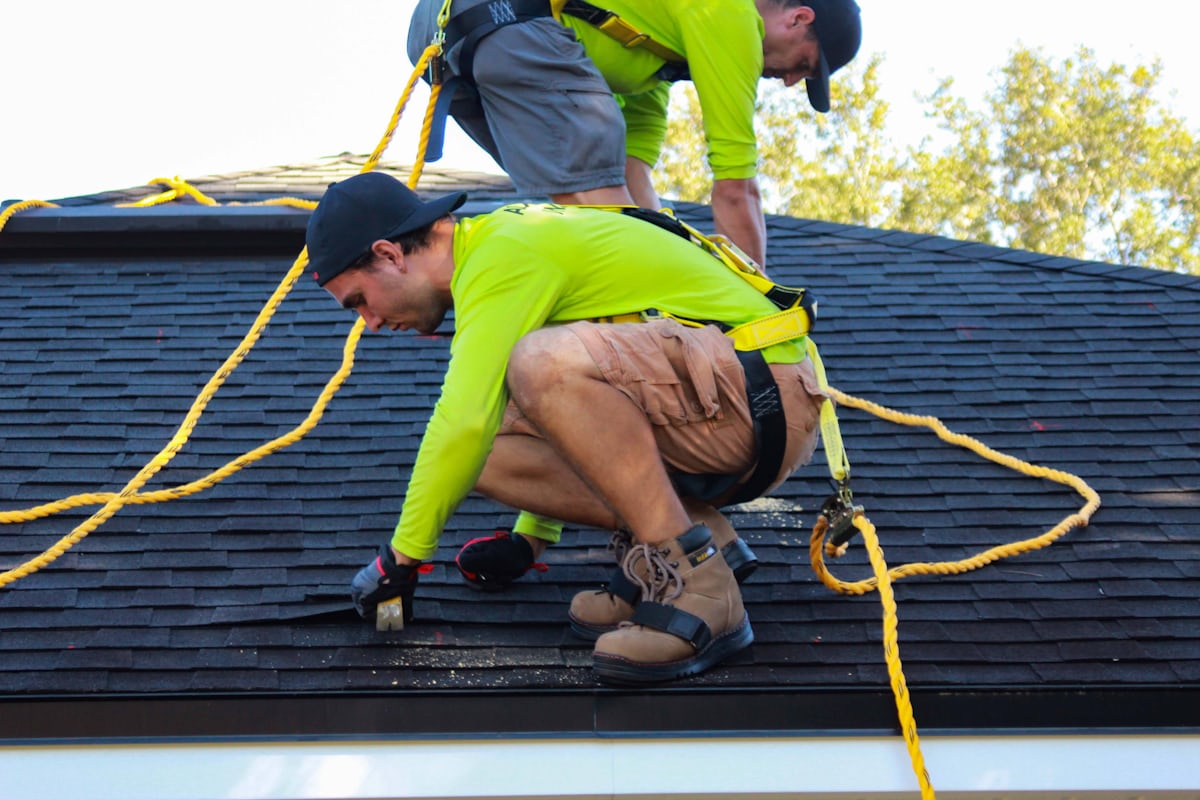
Roofing is one of the more accessible trades to start a business in and one of the easier ones to go broke in. The barriers to entry are low, the ticket sizes are large, and demand is close to non-discretionary — which is exactly why the market is crowded and why pricing discipline separates the companies that last from the ones that do not see a third winter.
This guide covers what it actually takes: licensing and insurance, realistic start-up costs, how to price so the work makes money, where the first customers come from, and the systems worth putting in place before you need them.
Licensing, insurance, and structure
Start here, because operating without the right paperwork can end the business before it begins. Requirements vary considerably: some states issue a specific roofing contractor licence, some fold roofing into a general contractor licence, and a handful regulate only at city or county level. Your state licensing board is the authority.
Insurance is not optional in any meaningful sense. General liability is the baseline, workers' compensation becomes mandatory once you have employees, and commercial auto covers the trucks. Roofing carries some of the highest workers' comp rates of any trade because of fall risk — budget accordingly, and do not treat it as a line to trim.
Most owners form an LLC for liability separation. Get an EIN, open a dedicated business bank account, and keep business and personal money entirely apart from day one. Untangling commingled finances two years in is a genuinely miserable exercise.
What it costs to start
A lean owner-operator start typically runs somewhere between $15,000 and $50,000. The visible costs are a truck or trailer, safety equipment and fall protection, nail guns and compressors, ladders and staging, licensing and bonding, and insurance premiums.
The item people consistently underestimate is working capital. You buy the material, you pay the crew, and then you wait to get paid. On a $14,000 re-roof you might be $8,000 out of pocket before a single dollar arrives. Run two or three of those concurrently and a profitable company can simply run out of cash.
Taking a deposit at signing helps enormously, as does offering customer financing — the lender funds you quickly while the homeowner pays monthly, which removes the float from the equation entirely on those jobs.
Price for profit, not for volume
New roofing companies almost universally underprice. It feels like the only lever available when nobody knows your name, and it fills the schedule quickly, which feels like progress. Then the year ends and there is nothing left.
Three things have to be in your price. Direct costs — material at today's supplier pricing and labor at a fully loaded rate, not the hourly wage. Overhead recovery — the truck, insurance, phone, software, and your own time spent estimating, which is real money whether or not you assign it to a job. And profit, on top of both.
Work the numbers with the roofing material cost calculator, roofing labor cost calculator, and overhead calculator, then read how to price roofing jobs for the full method. One warning worth repeating: markup is not margin. A 25 percent markup produces a 20 percent margin, and contractors who confuse the two are short on every job they ever run.
SubcontractorHub
See How Top Contractors Close More Jobs
AI proposals, sales pipeline, and project management — all in one platform.
- ✓AI-powered proposals in the field
- ✓CRM built for contractor sales
- ✓Project tracking from sale to install
30 minutes. No commitment.
Finding your first customers
The first twenty jobs are the hardest, and they rarely come from advertising. They come from people who already know you, from knocking doors in neighbourhoods with visible storm damage, from relationships with insurance adjusters and real estate agents who see roof problems constantly, and from a Google Business Profile with genuine reviews on it.
Claim and complete that profile in week one. For local searches like “roof repair near me” it does more work than a website in the early months, and reviews are the single strongest ranking and conversion factor available to a new company. Ask every satisfied customer, every time.
Once there is some cash flow, build the compounding channels — our roofing SEO guide and guide to getting roofing leads cover what works. Paid leads are available from day one but they are expensive, shared with competitors, and they stop the moment you stop paying.
Crews: hire or subcontract?
Most new roofing companies start with subcontracted crews, and there is good logic to it. Volume is unpredictable in year one, and subcontracting keeps labor variable instead of turning it into a payroll obligation you have to feed every Friday.
The cost is control. Sub crews work for several companies, so your job competes for their calendar, and quality varies between crews in ways your customers will attribute entirely to you. Verify insurance on every sub, collect certificates before they start, and use written agreements with defined scope.
As consistent volume appears, many owners bring one crew in-house for quality control and guaranteed peak-season capacity, keeping subs for overflow. That hybrid tends to be the practical steady state.
Insurance and storm work
In most markets a large share of roofing revenue is insurance-funded storm work, and it is a genuinely different sale. You are not persuading someone to spend money — you are helping them access money they are already entitled to, which changes the conversation completely.
It also requires competence in claims: documenting damage properly, understanding scope and supplements, and communicating with adjusters. Our roofing insurance claim process guide walks through it. Be careful with the ethical and legal lines here — offering to cover a deductible is illegal in many states, and the contractors who last are the ones who never went near that.
Systems: set them up before you need them
For the first handful of jobs a phone and a notebook genuinely work. The breaking point usually arrives somewhere around ten to fifteen jobs a month: leads get missed because nobody remembers to call back, proposals take three days because they are rebuilt from scratch each time, and invoices go out late because the details live in someone's head.
Migrating systems during a busy season is painful. Setting them up while you have time is not. At minimum you want lead tracking so nothing gets dropped, templated proposals you can produce on site, and invoicing tied to the job rather than reconstructed later. That is what roofing contractor software is for, and the roofing platform overview shows how the pieces connect. If you are comparing options, our roundup of the best roofing software is a reasonable starting point.
One habit is worth more than any tool: know your numbers per job. Bid versus actual on material, labor, and margin, on every job, from job one. Contractors who track that get better at estimating every month. Those who do not are guessing five years in, with more experience but no more accuracy.
Frequently Asked Questions
How much does it cost to start a roofing business?
A lean owner-operator start-up commonly runs $15,000 to $50,000 once you account for a truck or trailer, safety equipment and fall protection, basic tools, general liability and workers' compensation insurance, licensing and bonding, and working capital to float material before the first payments land. Working capital is the item most often underestimated — you buy the material long before the customer pays.
Do you need a license to start a roofing business?
In most states, yes, though requirements vary widely. Some issue a specific roofing contractor licence, others cover roofing under a general contractor licence, and a few regulate only at city or county level. Nearly everywhere you will also need general liability insurance and, once you have employees, workers' compensation. Check your state licensing board before you quote a single job.
Is a roofing business profitable?
It can be, and margins compare well with most trades — healthy roofing companies commonly run 20 to 40 percent gross margin and 8 to 15 percent net. The variance between operators is enormous, though, and it usually comes down to pricing discipline and overhead control rather than volume. Plenty of busy roofing companies make very little money.
How do new roofing companies get their first customers?
Early work typically comes from a mix of personal network, canvassing neighbourhoods after storms, relationships with local insurance adjusters and real estate agents, and a Google Business Profile with genuine reviews. Paid leads are available but expensive and competitive. The compounding channel is reviews and referrals from the first twenty jobs, which is why doing those jobs exceptionally well matters more than marketing spend.
Should a new roofing business hire crews or use subcontractors?
Most start with subcontracted crews because it converts a fixed payroll cost into a variable one while volume is unpredictable. The trade-off is less control over quality and scheduling. As consistent volume develops, many owners bring at least one crew in-house for quality control and to protect capacity in peak season, while keeping subs for overflow.
What software does a new roofing business need?
At minimum a way to track leads, produce professional proposals, and invoice. In the first year a spreadsheet plus a document template can work, but it breaks down quickly — usually somewhere around ten to fifteen jobs a month, when leads start getting missed and proposals go out slowly. Adopting a CRM and proposal system before that breaking point is much easier than migrating during a busy season.
Licensing, insurance, and business formation requirements vary by state and locality. This article is general information, not legal or financial advice — confirm requirements with your state licensing board and an accountant before starting.
Related Reading
Start With the Systems That Scale
Track every lead, build proposals on site with financing built in, and invoice off the same job record. Book a demo and we'll show you what a new roofing company should have running from day one.
Book a DemoRoofing Business, Contractor Startup, Roofing Software