
How to Recruit HVAC Technicians in 2026: A Hiring Playbook for Contractors
By SubcontractorHub Editorial Team·Published September 2026
Quick Answer
To recruit HVAC technicians, build a pipeline before you need it. Pay a real referral bonus to your current techs, keep a standing relationship with one or two local trade schools, and write a job post that leads with the pay range, the truck, the on-call rotation and the training path. Answer every applicant within a day, interview with a ride-along, and give new hires a written 90-day plan. Most shops cannot out-pay the market, so they win on clarity, speed and a shop techs want to stay in. See the software that keeps techs' days organized →
This playbook is for owners and service managers. It covers why hiring is hard, where hires actually come from, a job post that gets techs to apply, pay and package benchmarks, the interview, onboarding, and the math on what an empty truck costs you. If you are the tech reading this, see how to become an HVAC technician instead.
Why Hiring HVAC Techs Is Hard
Demand is not the problem. The Bureau of Labor Statistics projects about 8% employment growth for HVAC mechanics and installers from 2024 to 2034, faster than the average for all occupations, with about 40,100 openings a year. Many of those openings come from techs retiring or leaving the trade, not from new jobs, so every shop in your market is fishing in the same small pond.
The good experienced techs are almost always employed. That changes the job: you are not posting an ad and picking from a stack, you are persuading someone who already has a truck to move to yours. It also means the second pipeline, people you train, matters as much as the first.
Where HVAC Hires Actually Come From
| Channel | Who you get | How to work it |
|---|---|---|
| Employee referrals | Experienced techs your people already trust | Pay a meaningful bonus in two parts: some at hire, the rest after 90 days. Remind the team every month. |
| Trade schools and community colleges | Entry-level techs and apprentices | Guest-teach a class, host a shop day, sit on the advisory board, offer paid ride-alongs before graduation. |
| Registered apprenticeships | Trainees on a structured path | Pair classroom hours with paid field work under a senior tech. See the HVAC apprenticeship guide. |
| Job boards | Active job seekers, mixed quality | Specific post, pay range up front, mobile apply, same-day response. |
| Adjacent trades | Appliance techs, plumbers, electricians, maintenance staff | Recruit for mechanical aptitude and customer skills, then train the refrigeration side. |
| Veterans' transition programs | Mechanically trained, disciplined candidates | Contact base transition offices and state veterans' employment reps. |
| Former employees | Techs who left on good terms | Keep in touch. Some find the grass was not greener. |
Referrals and schools are slow to set up and fast once they run. Start them now, even if you are fully staffed, because the shop that already has the relationship gets the best graduates.
Write a Job Post Techs Will Actually Answer
Most HVAC job posts say "competitive pay, great team, must have own tools." An employed tech scrolling on a phone skips it. A post that gets answers is specific:
- Title and pay in the first line. "Residential HVAC Service Technician, $28 to $38 an hour plus commission" beats "Join our growing family."
- The week. Hours, days, how many calls a day, service versus install, and the on-call rotation, including what on-call pays.
- Truck and tools. Take-home truck or not, stocked by whom, tools provided or a tool allowance.
- Pay path. What it takes to reach each pay step, and which certifications you pay for, such as EPA 608 and NATE. See our HVAC certification guide.
- Commission or spiffs, spelled out. Techs have been burned by vague commission plans. Say how it is calculated.
- A two-minute apply. Name, phone, years of experience, and a resume optional. You can get the rest on the phone.
The pay range is the single biggest filter. A growing number of states and cities require one in job posts anyway, so check your local pay transparency rules.
Pay and the Rest of the Package
Nationally, BLS puts the median for HVAC mechanics and installers at $61,010 a year and the average at $64,780 (May 2025). That national figure hides a wide spread by state and metro, so benchmark against your own market. Our HVAC technician salary guide has the state-by-state BLS numbers.
| Package item | Why techs care |
|---|---|
| Base pay at or above local market | The first thing they compare |
| A clear commission or spiff plan | Upside they control. Model it with our guide to technician commission and average ticket. |
| Fair, paid on-call rotation | The most common reason techs quit a busy shop |
| Take-home truck and good tools | Saves them money and signals you invest in the work |
| Health insurance and retirement match | Often the deciding factor for techs with families |
| Paid training and certifications | A path to more pay without changing employers |
A small shop rarely wins on base pay alone. It can win on a predictable schedule, a fair rotation, an owner who knows the tech's name, and calls that are booked properly.
Interview With a Ride-Along
A resume tells you little about how a tech diagnoses a system or talks to a homeowner. Keep the sit-down short and put the candidate in the field:
- Phone screen, within a day of applying. Fifteen minutes: experience, certifications, pay expectations, availability.
- Shop interview. Thirty minutes with the service manager. Walk through two real calls from last week and ask how they would handle them.
- Paid ride-along or bench test. Half a day with a senior tech, or a staged fault on a unit in the shop. Watch the diagnostic process and how they explain the problem.
- Offer within 48 hours. Good techs have other offers. A slow process loses them.
For entry-level candidates, test attitude and aptitude instead: punctuality, how they take instruction, and whether they ask good questions on the ride-along.
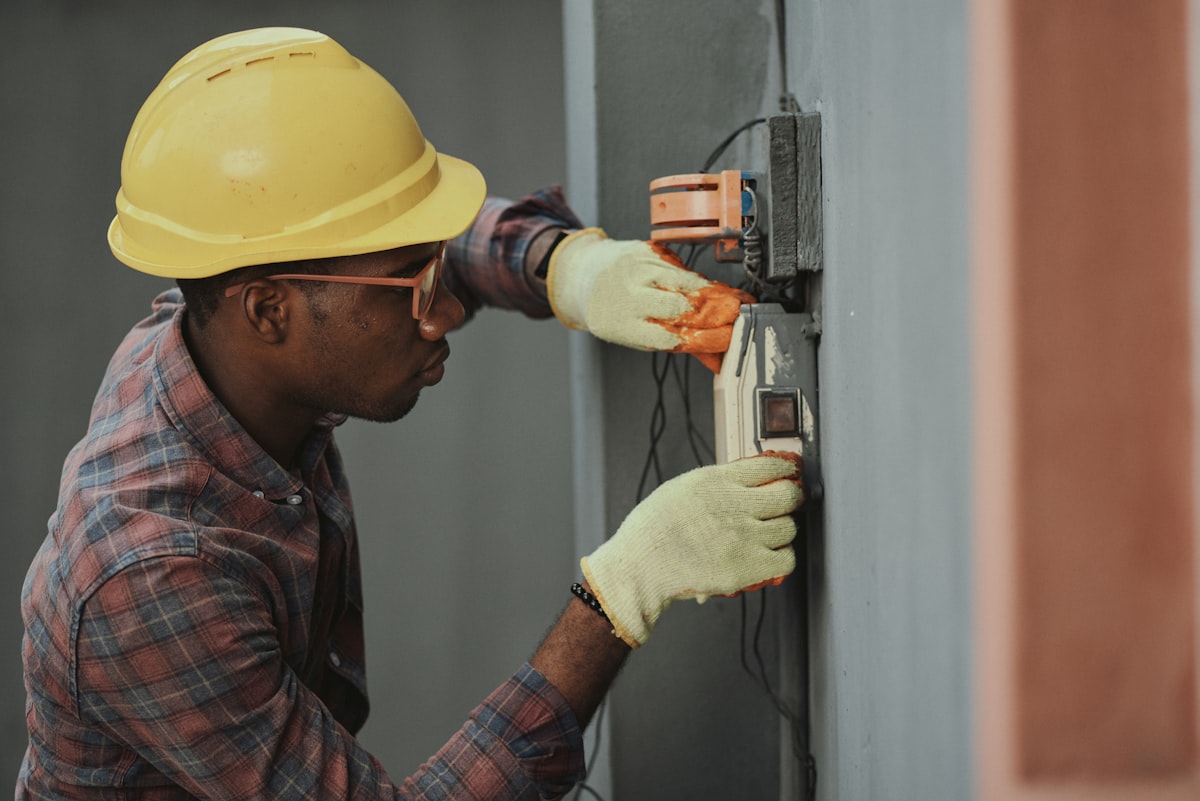
A half-day ride-along shows more about a tech's diagnostics and customer skills than any resume.
The First 90 Days
| Period | Experienced hire | Entry-level hire |
|---|---|---|
| Week 1 | Truck, tools, software, pricing, and ride along on your call types | Safety, tools, shop, and ride along with a senior tech |
| Weeks 2 to 4 | Runs calls solo, with the service manager reviewing tickets | Maintenance calls with the senior tech; starts EPA 608 prep |
| Months 2 to 3 | Full call load; first review of ticket size and callbacks | Runs simple maintenance calls alone; written path to the next pay step |
Pay the second half of any referral bonus at day 90, and schedule a real conversation at the same point. It is the moment most early quits happen. Training techs to present options and maintenance plans is its own skill; see our technician sales training program.
Worked Example: What an Empty Truck Costs
Owners underspend on recruiting because the cost of an open seat is invisible. Here is the math for one service truck. The numbers are illustrative, so use your own.
| Line | Amount |
|---|---|
| Revenue per truck per working day | $1,500 |
| Gross margin after parts and tech labor | 50% |
| Gross profit lost per working day unfilled | $750 |
| Days to fill the seat (8 weeks at 5 days) | 40 |
| Gross profit lost while the seat is open | $30,000 |
Against $30,000, a $2,500 referral bonus, a trade school program and a paid ride-along are cheap. If the other techs cover the calls with overtime, some of that revenue is saved, but at the cost of the burnout that makes the next tech quit. The employee turnover cost calculator runs the full numbers for your shop, including hiring and training costs.
Keep the Techs You Hire
Retention is recruiting you do not have to repeat. Beyond pay, techs leave over things the office controls: calls booked with the wrong equipment information, parts that are not on the truck, surprise schedule changes, and commission they cannot check. Each is a systems problem:
- Clean dispatch and job notes so the tech arrives knowing the system, the history and the complaint.
- Proposals on a tablet so good-better-best options go out on the spot instead of the tech writing prices on a clipboard. See proposal software built for speed.
- Commission the tech can see, tied to jobs sold and completed, not reconstructed at the end of the month.
- A full board of maintenance agreement visits in the slow season, so techs are not sent home. See how to sell HVAC maintenance agreements.
SubcontractorHub gives HVAC contractors the pipeline, proposals, financing and job management in one login, so the office runs cleanly and the techs spend their day on calls, not paperwork. See how it works for HVAC companies and the full HVAC contractor software feature set.
The Bottom Line
Recruiting HVAC technicians is a pipeline, not an ad. Pay for referrals, build a trade school relationship before you need it, post the pay and the real week, move fast, interview in the field, and give every hire a 90-day plan. Then keep them with fair on-call, visible commission and an office that books calls right.
Frequently Asked Questions
What is the best way to recruit HVAC technicians?
The channels that produce the most hires for most shops are employee referrals, a standing relationship with one or two local trade schools, and a clear, specific job post that lists the pay range, the truck and tools, the on-call rotation and the training path. Job boards fill in the gaps. The shops that hire consistently treat recruiting as a year-round pipeline rather than a scramble after someone quits.
How much should I pay an HVAC technician?
Use local data, not national averages. Nationally, BLS puts the median for HVAC mechanics and installers at $61,010 a year and the average at $64,780 (May 2025), but pay varies widely by state and metro. Post a range that matches your market, and be specific about what else is in the package: commission or spiffs, overtime and on-call pay, a take-home truck, tools, and paid training.
Where do HVAC companies find technicians?
Referrals from current techs, trade school and community college HVAC programs, registered apprenticeship programs, supply house counter staff and other techs you meet there, job boards such as Indeed, local Facebook groups, veterans' transition programs, and former employees. Hiring for attitude and training the skills through an apprenticeship is increasingly common because experienced techs are scarce.
How do I get HVAC technicians to apply?
Make the job post specific. Put the pay range in the first lines, then the schedule, the on-call rotation, the truck and tool policy, the certifications you pay for, and what a typical week looks like. Make applying take a few minutes on a phone, and respond within a day. Many techs are employed and will not fill out a long form for a vague post.
Should I hire experienced HVAC techs or train new ones?
Most growing shops do both. Experienced techs cost more and are hard to find but produce revenue quickly. Apprentices and trade school graduates take a year or more to run calls alone, but they are easier to find, often stay longer, and learn your process from the start. A ride-along structure with a senior tech and a written path to each pay step makes training hires work.
How do I keep HVAC technicians from leaving?
Pay at or above market, keep the schedule predictable, make the on-call rotation fair, give them good trucks and tools, and show a clear path to higher pay through certifications and skills. Techs also leave when the office sends them to poorly booked calls with missing information. Clean dispatch, accurate job notes and fast parts make the daily work less frustrating.
SubcontractorHub
See How Top Contractors Close More Jobs
AI proposals, sales pipeline, and project management — all in one platform.
- ✓AI-powered proposals in the field
- ✓CRM built for contractor sales
- ✓Project tracking from sale to install
30 minutes. No commitment.